Flexible Pin Bush Couplings
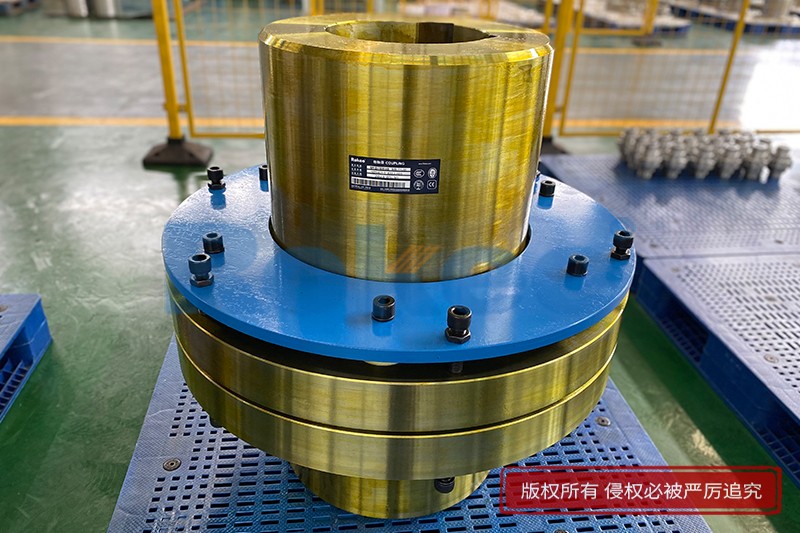
Rokee® is Flexible Pin Bush Couplings Supplier from China, Support Customization and Export, due to excellent quality, complete technical services and superior cost performance, Rokee® Flexible Pin Bush Couplings have been serving more than 60 countries and regions in the world, effectively operating in many corners of the world.
The design of the Flexible Pin Bush Coupling is simple and clever in design and has wide applicability. Flexible Pin Bush Coupling uses the pin with elastic sleeve to connect two semi-couplings with pin holes to realize torque transmission and larger angular compensation. At the same time, Flexible Pin Bush Coupling has good shock absorption and buffering performance, which can be used in high-speed occasions without lubrication and requiring easy pin sleeve replacement.
-
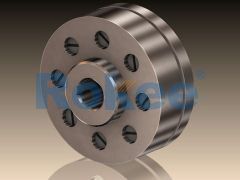
LT/TL Elastic Sleeve Pin Coupling
LT/TL Elastic Sleeve Pin Coupling is the basic form of this series of couplings. -
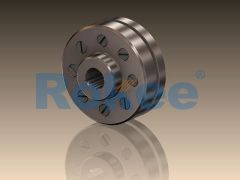
LTZ/TLL Elastic Sleeve Pin Coupling
LTZ/TLL Elastic Sleeve Pin Coupling is designed with a brake wheel, suitable for situations where braking is required.
In the realm of mechanical power transmission, couplings play an indispensable role as connectors between rotating shafts, ensuring the seamless transfer of torque while accommodating various misalignments and mitigating operational stresses. Among the diverse range of couplings available, the flexible pin bush coupling stands out for its simplicity, reliability, and cost-effectiveness, making it a preferred choice across numerous industrial sectors.
Definition and Basic Structural Composition
A flexible pin bush coupling is a type of mechanical coupling designed to transmit torque between two coaxial shafts while allowing for a certain degree of axial, radial, and angular misalignment. Unlike rigid couplings, which require precise alignment of shafts to function effectively, flexible pin bush couplings incorporate elastic elements that absorb misalignments and dampen vibrations, thereby protecting the connected machinery from excessive wear and damage. The core structure of a flexible pin bush coupling consists of several key components, each contributing to its overall functionality and performance.
The primary components include two shaft hubs, pins, bushings, and sometimes a cover or housing. The shaft hubs are typically cylindrical components with a bore that matches the diameter of the shafts to be connected. They are fastened to the shafts using keys, set screws, or hydraulic clamping mechanisms, ensuring a secure fit that prevents slippage during torque transmission. The pins are cylindrical rods attached to one of the hubs, extending outward toward the other hub. These pins serve as the primary torque-transmitting elements, transferring rotational force from the driving shaft to the driven shaft.
The bushings, which are the flexible elements of the coupling, are mounted on the pins. They are usually made of elastic or semi-elastic materials that can deform slightly under load, allowing for misalignment. The bushings fit into corresponding holes or slots in the second hub, creating a connection that is both rigid enough to transmit torque and flexible enough to accommodate positional deviations between the shafts. In some designs, a cover is added to enclose the internal components, protecting them from dust, debris, and moisture, which can degrade performance over time. The simplicity of this structure not only makes the coupling easy to manufacture but also facilitates straightforward installation and maintenance.
Working Principle of Flexible Pin Bush Coupling
The working principle of a flexible pin bush coupling revolves around the interaction between the rigid pins and the flexible bushings, which enables torque transmission while compensating for misalignments. When the driving shaft rotates, it imparts rotational motion to the attached hub, causing the pins to rotate as well. The bushings, which are in contact with the pins, transfer this rotational force to the second hub, which in turn drives the driven shaft. The flexibility of the bushings is the key to the coupling’s ability to accommodate misalignments.
Axial misalignment occurs when the shafts are offset along their common axis. This can be caused by thermal expansion or contraction of the shafts during operation, or by incorrect installation. The flexible bushings can compress or extend slightly to absorb this axial movement, preventing the development of axial forces that could damage the shaft bearings. Radial misalignment, on the other hand, is a lateral offset between the shafts. In this case, the bushings deform laterally as the pins rotate, allowing the hubs to move relative to each other without imposing excessive bending stresses on the shafts.
Angular misalignment, which is a deviation in the angular orientation of the shafts, is accommodated by the bushings’ ability to tilt. As the driving hub rotates, the pins move in a circular path, and the bushings flex to maintain contact with both the pins and the driven hub, even when the shafts are not perfectly aligned. Additionally, the flexible bushings act as vibration dampeners. During operation, rotating machinery generates vibrations, which can be transmitted through the shafts. The bushings absorb a portion of these vibrations, reducing noise and minimizing the impact of vibrational forces on the connected equipment, thereby extending the service life of the entire system.
Material Selection for Flexible Pin Bush Coupling Components
The performance and durability of a flexible pin bush coupling are heavily dependent on the materials used for its components. Each component is subjected to different types of stresses, so the material selection must be tailored to meet the specific requirements of each part.
The shaft hubs are typically made of high-strength metallic materials such as carbon steel, alloy steel, or cast iron. Carbon steel is a popular choice due to its high tensile strength, good machinability, and cost-effectiveness. Alloy steel, which contains additional elements such as chromium, nickel, or molybdenum, offers enhanced strength, hardness, and resistance to wear and corrosion, making it suitable for heavy-duty applications. Cast iron is used in some cases for its excellent castability and vibration-damping properties, although it is less strong than steel and may not be suitable for high-torque applications.
The pins, which are subjected to shear and bending stresses during torque transmission, are also usually made of high-strength steel. Heat treatment processes such as quenching and tempering are often applied to the pins to improve their hardness and toughness, ensuring that they can withstand the cyclic loads encountered during operation. In some specialized applications, stainless steel may be used for the pins to provide corrosion resistance, particularly in harsh environments such as chemical plants or marine applications.
The bushings, being the flexible elements, are made of materials with good elastic properties and wear resistance. Common materials for bushings include rubber, polyurethane, nylon, and composite materials. Rubber bushings are widely used due to their excellent flexibility, vibration-damping capabilities, and low cost. However, they may have limited resistance to high temperatures and oil, which can degrade their performance over time. Polyurethane bushings offer better wear resistance, higher load-carrying capacity, and improved resistance to oil and chemicals compared to rubber, making them suitable for more demanding applications. Nylon bushings are lightweight, have low friction, and are resistant to abrasion, but they may not be as flexible as rubber or polyurethane. Composite materials, which combine the properties of different materials, are increasingly being used for bushings to achieve a balance of flexibility, strength, and durability.
Key Applications of Flexible Pin Bush Coupling
Due to their versatility, reliability, and cost-effectiveness, flexible pin bush couplings find applications in a wide range of industrial and commercial sectors. Their ability to accommodate misalignments and dampen vibrations makes them suitable for use in machinery where perfect shaft alignment is difficult to achieve or maintain, or where vibration control is critical.
One of the most common applications of flexible pin bush couplings is in the agricultural industry. Agricultural machinery such as tractors, harvesters, and irrigation pumps often operate in harsh and uneven terrain, which can cause significant misalignments between the engine and the driven components. Flexible pin bush couplings are used to connect the engine shaft to the transmission, hydraulic pumps, and other auxiliary equipment, ensuring reliable torque transmission even in these challenging conditions. Their ability to withstand dust, dirt, and moisture also makes them well-suited for agricultural environments.
In the manufacturing sector, flexible pin bush couplings are widely used in conveyor systems, which are essential for material handling in factories and warehouses. Conveyor belts are driven by electric motors, and the coupling between the motor and the conveyor drive shaft must accommodate any misalignments that may occur due to the installation of the conveyor components or the deflection of the shaft during operation. The vibration-damping properties of the coupling also help to reduce noise in the manufacturing environment, improving working conditions for employees.
Another important application area is the pumping industry. Centrifugal pumps, reciprocating pumps, and other types of pumps are used in various industries such as water treatment, oil and gas, and chemical processing. The coupling between the pump and the motor must transmit torque efficiently while accommodating misalignments caused by thermal expansion, pipe strain, or foundation settlement. Flexible pin bush couplings are ideal for this purpose, as they prevent the transfer of excessive stresses to the pump bearings and seals, extending the service life of the pump.
Flexible pin bush couplings are also used in the automotive industry, particularly in commercial vehicles such as trucks and buses. They are used to connect the engine to the transmission or the driveshaft, accommodating the misalignments that occur due to the movement of the vehicle’s suspension system. Additionally, they help to dampen the vibrations generated by the engine, improving the comfort of the vehicle’s occupants.
Other applications include textile machinery, where precise torque transmission and vibration control are essential for the quality of the finished product; mining machinery, which operates in extremely harsh conditions and requires robust and reliable couplings; and power generation systems, where couplings are used to connect turbines to generators.
Performance Advantages of Flexible Pin Bush Coupling
Flexible pin bush couplings offer a number of performance advantages that make them superior to other types of couplings in many applications. One of the key advantages is their ability to accommodate multiple types of misalignments, including axial, radial, and angular misalignments. This eliminates the need for precise shaft alignment during installation, reducing installation time and costs. It also allows for minor misalignments that may develop during operation due to thermal expansion, wear, or foundation movement, without affecting the performance of the coupling or the connected machinery.
Another major advantage is their vibration-damping capability. The flexible bushings absorb vibrations generated by the rotating shafts, reducing noise and minimizing the transfer of vibrational forces to the connected equipment. This not only improves the working environment but also reduces wear and tear on the bearings, seals, and other components of the machinery, extending their service life and reducing maintenance costs.
Flexible pin bush couplings are also known for their high torque-transmitting capacity. Despite their flexibility, the rigid pins and robust hubs allow them to transmit high levels of torque efficiently, making them suitable for both light-duty and heavy-duty applications. Their simple design ensures that there are no complex components that can fail, resulting in high reliability and minimal downtime.
Cost-effectiveness is another important advantage. The materials used in flexible pin bush couplings are relatively inexpensive, and their simple design makes them easy to manufacture. This results in a low initial cost compared to other types of flexible couplings such as gear couplings or disc couplings. Additionally, their easy installation and maintenance further reduce overall costs, as there is no need for specialized tools or skilled labor for installation or repair.
The versatility of flexible pin bush couplings is also a significant advantage. They can be used with a wide range of shaft diameters and torque ratings, making them suitable for a diverse range of applications. They can also be adapted to different environmental conditions by selecting appropriate materials for the bushings and hubs, such as corrosion-resistant materials for harsh environments.
Installation and Maintenance Practices
Proper installation and maintenance are crucial for ensuring the optimal performance and long service life of flexible pin bush couplings. While the installation process is relatively straightforward, certain steps must be followed to ensure that the coupling is installed correctly and that the shafts are aligned within the allowable limits.
During installation, the first step is to clean the shaft ends and the bore of the hubs to remove any dirt, grease, or debris that may affect the fit. The hubs are then mounted on the respective shafts, and the keyways are aligned to ensure a secure connection. The hubs should be fastened tightly using the appropriate fasteners, such as set screws or bolts, to prevent slippage. Next, the pins and bushings are installed. The bushings are first pressed onto the pins, and then the assembly is inserted into the holes or slots in the second hub. It is important to ensure that the bushings fit snugly but not too tightly, as this can restrict their flexibility.
Shaft alignment is a critical step in the installation process. While flexible pin bush couplings can accommodate misalignments, excessive misalignment can lead to premature wear of the bushings and pins, increased vibration, and reduced torque-transmitting capacity. Therefore, it is recommended to align the shafts as accurately as possible before installing the coupling. The allowable misalignment limits vary depending on the size and design of the coupling, and these limits should be strictly followed.
Regular maintenance is essential for ensuring the continued performance of the coupling. This includes periodic inspection of the components for signs of wear, damage, or degradation. The bushings are the most vulnerable component and should be checked regularly for cracks, tears, or excessive wear. If the bushings are worn or damaged, they should be replaced immediately to prevent damage to the pins and hubs. The pins should also be inspected for signs of bending, shear, or corrosion, and replaced if necessary.
Lubrication is another important maintenance practice. While some bushings are self-lubricating, others may require periodic lubrication to reduce friction and wear. The type and frequency of lubrication depend on the material of the bushings and the operating conditions. It is important to use the correct type of lubricant, as using the wrong lubricant can degrade the bushings and reduce their performance. Additionally, the coupling should be kept clean to prevent the accumulation of dust, debris, and moisture, which can cause corrosion and wear.
Emerging Trends and Future Developments
As industrial machinery becomes more advanced and demanding, the design and performance requirements of flexible pin bush couplings are also evolving. Several emerging trends and future developments are shaping the evolution of these couplings, aimed at improving their performance, durability, and sustainability.
One of the key trends is the development of advanced materials for the bushings. Researchers and manufacturers are exploring new composite materials that offer enhanced flexibility, wear resistance, and temperature resistance. These materials, which may include carbon fiber-reinforced polymers, aramid fibers, or ceramic composites, have the potential to significantly improve the performance of the bushings, allowing them to operate in more extreme conditions and extend their service life. Additionally, biodegradable materials are being considered for bushings to reduce the environmental impact of the coupling at the end of its service life.
Another trend is the integration of smart technologies into flexible pin bush couplings. Smart couplings are equipped with sensors that monitor various parameters such as temperature, vibration, and torque. These sensors transmit real-time data to a control system, allowing for predictive maintenance. By monitoring the condition of the coupling, potential issues such as excessive wear or misalignment can be detected early, preventing unexpected failures and minimizing downtime. This technology is particularly useful in critical applications such as power generation and oil and gas processing, where downtime can be extremely costly.
The optimization of the coupling’s design using computer-aided engineering (CAE) tools is also an important development. Finite element analysis (FEA) and other CAE tools allow manufacturers to simulate the performance of the coupling under various operating conditions, identifying potential stress concentrations and optimizing the design to improve strength and durability. This results in couplings that are lighter, more compact, and more efficient, while maintaining or improving their torque-transmitting capacity and misalignment accommodation capabilities.
Sustainability is another growing concern in the design and manufacturing of flexible pin bush couplings. Manufacturers are increasingly adopting eco-friendly manufacturing processes, such as using recycled materials for the hubs and pins, and reducing energy consumption during production. Additionally, the design of the coupling is being optimized to facilitate disassembly and recycling at the end of its service life, reducing the amount of waste generated.
Conclusion
Flexible pin bush couplings are a vital component in mechanical power transmission systems, offering a unique combination of flexibility, reliability, and cost-effectiveness. Their simple yet effective design allows them to accommodate various types of misalignments, dampen vibrations, and transmit torque efficiently, making them suitable for a wide range of applications across industries such as agriculture, manufacturing, pumping, automotive, and mining. The selection of appropriate materials for the components, proper installation, and regular maintenance are crucial for ensuring their optimal performance and long service life.
As industrial technology continues to advance, flexible pin bush couplings are evolving to meet the changing demands of modern machinery. The development of advanced materials, integration of smart technologies, optimization of design using CAE tools, and a focus on sustainability are shaping the future of these couplings, promising improved performance, durability, and environmental friendliness.
In conclusion, the flexible pin bush coupling remains a versatile and indispensable component in mechanical systems, and its continued evolution will ensure that it remains relevant and effective in meeting the challenges of the future industrial landscape. Whether in small-scale commercial applications or large-scale industrial operations, the flexible pin bush coupling continues to prove its value as a reliable and cost-effective solution for power transmission.
« Flexible Pin Bush Couplings » Post Date: 2023/9/2
URL: https://www.rokeecoupling.com/en/tags/flexible-pin-bush-couplings.html
- 2023-11-28Purpose of Flexible Pin Bush Couplings
- 2023-11-28Models of Flexible Pin Bush Couplings
- 2023-11-28Flexible Pin Bush Couplings Supply
- 2023-11-28Flexible Pin Bush Couplings Manufacturer
- 2023-11-28Flexible Pin Bush Couplings Factory
- 2023-11-28Flexible Pin Bush Coupling Working Principle
- 2023-11-28Flexible Pin Bush Coupling Structural Diagram
- 2023-11-28Flexible Pin Bush Coupling Size Calculation
- 2023-11-28Flexible Pin Bush Coupling Price
- 2023-11-28Flexible Pin Bush Coupling Parts
- 2023-11-28Flexible Pin Bush Coupling Function
- 2023-11-28Disadvantages of Flexible Pin Bush Couplings
- 2023-11-28Catalogue of Flexible Pin Bush Couplings
- 2023-11-16Flexible Pin Bush Coupling Applications
- 2023-11-10Types of Flexible Pin Bush Couplings
- 2023-11-10Flexible Pin Bush Couplings For Sale
- 2023-11-10Flexible Pin Bush Coupling Advantages
- 2023-11-10Flexible Pin Bush Coupling Drawing
- 2023-11-10Flexible Pin Bush Coupling Size Chart
- 2023-11-09Flexible Pin Bush Couplings Wholesale
- 2023-11-09Flexible Pin Bush Coupling Specifications
- 2023-11-09Customized Flexible Pin Bush Coupling
- 2023-11-09Flexible Pin Bush Coupling Design
- 2023-11-09Flexible Pin Bush Couplings Supplier
- 2023-11-08Flexible Pin Bush Couplings Company
- 2023-11-08Flexible Pin Bush Coupling Manufacturing Enterprise