Cardan Shaft
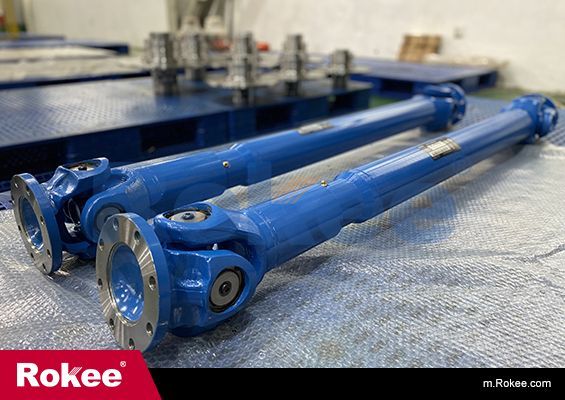
Rokee® is Cardan Shaft Supplier from China, Support Customization and Export, due to excellent quality, complete technical services and superior cost performance, Rokee® Cardan Shaft have been serving more than 60 countries and regions in the world, effectively operating in many corners of the world.
Due to its unique structure, cardan shaft can realize the connection of two axes when the drive shaft and the driven shaft are not on the same axis, and there is a large axial angle error, reliably transmit torque and compensate for angular, axial and radial errors. Excellent comprehensive compensation ability makes cardan shaft become irreplaceable transmission components in the field of industrial drives, which are widely used in various torque transmission systems.
-
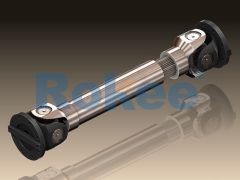
SWC-BH Standard Telescopic Welded Universal Coupling
SWC-BH Universal Coupling adopts integrated fork head layout, with the rotary diameter of 1600mm and torque transmission distance of more than 30m. SWC-BH Cardan Shaft is widely used in steel rolling machinery, crane transport machinery and other heavy equipment fields. -
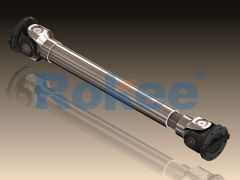
SWC-CH Long Telescopic Welded Universal Coupling
SWC-CH Universal Coupling adopts integrated fork head layout, with the rotary diameter of 1600mm and torque transmission distance of more than 30m. SWC-CH Cardan Shaft is widely used in steel rolling machinery, crane transport machinery and other heavy equipment fields. -
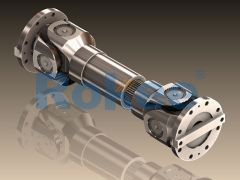
SWC-DH Short Telescopic Welded Universal Coupling
SWC-DH Universal Coupling adopts integrated fork head layout, with the rotary diameter of 1600mm and torque transmission distance of more than 30m. SWC-DH Cardan Shaft is widely used in steel rolling machinery, crane transport machinery and other heavy equipment fields. -
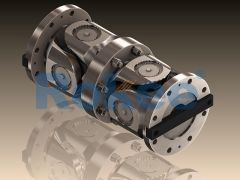
SWC-WD Non-telescopic Short Universal Coupling
SWC-WD Universal Coupling adopts integrated fork head layout, with the rotary diameter of 1600mm and torque transmission distance of more than 30m. SWC-WD Cardan Shaft is widely used in steel rolling machinery, crane transport machinery and other heavy equipment fields. -
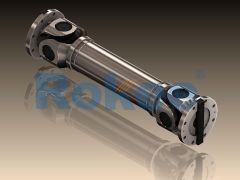
SWC-WH Non-telescopic Welded Universal Coupling
SWC-WH Universal Coupling adopts integrated fork head layout, with the rotary diameter of 1600mm and torque transmission distance of more than 30m. SWC-WH Cardan Shaft is widely used in steel rolling machinery, crane transport machinery and other heavy equipment fields. -
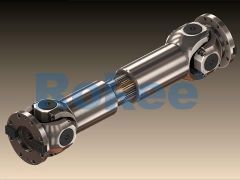
SWP-A Universal Coupling
SWP-A Universal Coupling adopts integrated fork head layout. Similar to the use of the SWC universal coupling, SWP-A Cardan Shaft is mainly used in the field of heavy-duty large equipment, with a rotary diameter of up to 1200mm. -
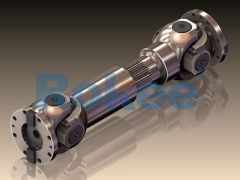
SWP-B Universal Coupling
SWP-B Universal Coupling adopts integrated fork head layout. Similar to the use of the SWC universal coupling, SWP-B Cardan Shaft is mainly used in the field of heavy-duty large equipment, with a rotary diameter of up to 1200mm. -
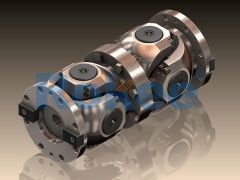
SWP-C Universal Coupling
SWP-C Universal Coupling adopts integrated fork head layout. Similar to the use of the SWC universal coupling, SWP-C Cardan Shaft is mainly used in the field of heavy-duty large equipment, with a rotary diameter of up to 1200mm. -
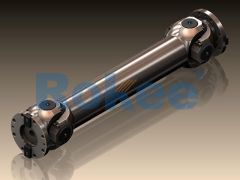
SWP-D Universal Coupling
SWP-D Universal Coupling adopts integrated fork head layout. Similar to the use of the SWC universal coupling, SWP-D Cardan Shaft is mainly used in the field of heavy-duty large equipment, with a rotary diameter of up to 1200mm.
In the realm of mechanical engineering, power transmission stands as a cornerstone of countless industrial and automotive applications. From the roar of a factory assembly line to the smooth acceleration of a passenger car, the ability to transfer rotational energy from a source (such as an engine or motor) to a driven component (like wheels, pumps, or conveyors) is essential for functionality. Among the various mechanisms designed for this purpose, the cardan shaft—also known as a propeller shaft or driveshaft—occupies a critical position, particularly in systems where the driving and driven components are not aligned or are subject to relative movement.
To understand the cardan shaft, it is first necessary to grasp its core purpose: to transmit torque and rotational motion between two shafts that are offset at an angle or have a varying distance between them. Unlike rigid shafts, which require precise alignment to function effectively, the cardan shaft is engineered to accommodate misalignment, making it ideal for use in applications where perfect coaxial alignment is impractical or impossible. The term “cardan” derives from the Italian mathematician and physicist Gerolamo Cardano, who first described the mathematical principles underlying the universal joint—a key component of the cardan shaft assembly. While the basic concept of the universal joint dates back to ancient times, Cardano’s systematic analysis in the 16th century laid the groundwork for its modern engineering applications.
A typical cardan shaft assembly consists of several key components, each playing a vital role in ensuring efficient power transmission and durability. At the heart of the assembly are the universal joints (U-joints), which connect the cardan shaft to the driving and driven shafts. A U-joint comprises two yokes (fork-shaped components) attached to the ends of the shafts, and a cross (or spider) with four bearing journals that fit into the yokes. This design allows the cross to rotate within the yokes, enabling the shafts to operate at different angles while transmitting torque. In many applications, especially those involving significant angles or high rotational speeds, a double cardan shaft is used. This configuration includes two U-joints separated by an intermediate shaft, which helps to reduce the fluctuations in rotational speed that can occur with a single U-joint at large angles. The intermediate shaft also serves to adjust the length of the assembly, accommodating variations in the distance between the driving and driven components.
Another essential component of the cardan shaft assembly is the sliding spline (or telescopic joint). This feature allows the shaft to expand and contract longitudinally, compensating for changes in the distance between the driving and driven shafts that occur due to thermal expansion, suspension movement (in automotive applications), or structural deflection. The sliding spline consists of a splined section on one end of the shaft that fits into a splined sleeve on the adjacent component, enabling axial movement while maintaining the ability to transmit torque. To minimize friction and wear, the splined surfaces are often lubricated, and in some cases, they may be coated with wear-resistant materials.
The working principle of the cardan shaft revolves around the ability of the universal joints to accommodate angular misalignment. When the driving shaft rotates, it causes the U-joint cross to rotate, which in turn drives the driven shaft. However, a single U-joint has a limitation: as the angle between the shafts increases, the rotational speed of the driven shaft becomes uneven, even if the driving shaft rotates at a constant speed. This phenomenon, known as angular velocity fluctuation, occurs because the effective radius of the cross journals changes as the joint rotates. For example, when the angle between the shafts is 0 degrees (perfect alignment), the driven shaft rotates at the same speed as the driving shaft. But as the angle increases, the driven shaft speeds up and slows down twice per revolution, creating vibrations and potentially causing wear on other components.
To mitigate this issue, the double cardan shaft is employed. By using two U-joints arranged such that the angles of the two joints are equal and opposite, the fluctuations from the first U-joint are canceled out by the second, resulting in a constant rotational speed of the driven shaft. This configuration is particularly important in high-performance applications, such as automotive drivetrains, where smooth power transmission is essential for comfort and performance. The intermediate shaft in a double cardan assembly also helps to reduce the bending stress on the U-joints, extending their service life.
The selection of materials for cardan shafts is a critical engineering decision that depends on the application’s requirements, including torque capacity, rotational speed, weight constraints, and environmental conditions. The primary material used for cardan shafts is steel, due to its high strength, durability, and ability to withstand heavy loads. Carbon steel and alloy steel are the most common types, with alloy steel offering enhanced properties such as higher tensile strength and resistance to fatigue. In applications where weight reduction is a priority—such as in aerospace or high-performance automotive systems—aluminum alloys are sometimes used. Aluminum is lighter than steel, which helps to reduce the overall weight of the machinery and improve fuel efficiency. However, aluminum has a lower tensile strength than steel, so it is typically used in applications with lower torque requirements.
In addition to steel and aluminum, composite materials are increasingly being explored for cardan shaft applications. Composites, such as carbon fiber-reinforced polymers (CFRPs), offer a unique combination of high strength, low weight, and resistance to corrosion. These materials can significantly reduce the weight of the cardan shaft compared to steel, while maintaining or even exceeding its torque-carrying capacity. However, the high cost of composite materials and the complexity of manufacturing processes have limited their widespread adoption. Nevertheless, as composite technology advances and costs decrease, they are expected to play a more prominent role in future cardan shaft designs.
The cardan shaft finds applications across a wide range of industries, each with its own specific requirements and challenges. One of the most common applications is in automotive drivetrains. In rear-wheel-drive (RWD) and four-wheel-drive (4WD) vehicles, the cardan shaft transmits power from the transmission to the rear differential (and to the front differential in 4WD systems). In these applications, the cardan shaft must accommodate the movement of the suspension, which causes the distance between the transmission and differential to change as the vehicle travels over uneven terrain. The sliding spline and universal joints work together to ensure continuous power transmission despite these movements. In addition, automotive cardan shafts are designed to operate at high rotational speeds (often exceeding 5,000 RPM) and must be balanced to minimize vibrations, which can affect ride comfort and component longevity.
Beyond automotive applications, cardan shafts are widely used in industrial machinery. In manufacturing plants, they are used to transmit power between motors and various types of equipment, such as conveyors, pumps, compressors, and machine tools. For example, in a conveyor system, the cardan shaft may connect a motor to a gearbox, which in turn drives the conveyor belt. The ability of the cardan shaft to accommodate misalignment is particularly useful in industrial settings, where machinery may be installed in tight spaces or where thermal expansion causes shifts in component positions. In heavy machinery, such as construction equipment (excavators, bulldozers) and agricultural machinery (tractors, harvesters), cardan shafts are used to transmit high torque between the engine and various working components, such as the wheels, hydraulic pumps, and implement drives. These applications require cardan shafts to be robust and durable, capable of withstanding harsh environmental conditions (dust, dirt, moisture) and heavy loads.
The aerospace industry also utilizes cardan shafts, although in more specialized applications. For example, in some aircraft engines, cardan shafts are used to transmit power from the engine to auxiliary systems, such as fuel pumps, oil pumps, and generators. In these applications, weight is a critical factor, so aluminum or composite materials are often preferred. Cardan shafts in aerospace applications must also meet strict safety and reliability standards, as any failure could have catastrophic consequences.
Proper maintenance is essential to ensure the longevity and reliable performance of cardan shafts. Neglecting maintenance can lead to premature wear, component failure, and costly downtime. The key maintenance tasks for cardan shafts include lubrication, inspection, and balancing. Lubrication is critical for reducing friction between the U-joint bearings and the cross journals. Over time, lubricant can become contaminated with dirt, dust, and metal particles, which can accelerate wear. Therefore, regular lubrication with the appropriate type of grease or oil is necessary. The frequency of lubrication depends on the application and operating conditions; heavy-duty applications may require more frequent lubrication than light-duty ones.
Inspection is another important maintenance task. Regular visual inspections should be performed to check for signs of wear, damage, or misalignment. Common issues to look for include worn U-joint bearings (which can cause excessive play or noise), damaged yokes, cracks in the shaft, and wear on the sliding spline. If any of these issues are detected, the affected components should be repaired or replaced immediately to prevent further damage. In addition, periodic alignment checks are recommended to ensure that the driving and driven shafts are within the specified angular limits. Misalignment beyond the recommended range can increase stress on the U-joints and reduce the service life of the cardan shaft.
Balancing is also crucial for cardan shafts, especially those operating at high rotational speeds. Unbalanced shafts can cause excessive vibrations, which can damage bearings, gears, and other components. Cardan shafts are typically balanced during manufacturing, but over time, balance can be lost due to wear, damage, or the addition/removal of components. Therefore, periodic balancing checks are necessary. If a shaft is found to be unbalanced, it can be corrected by adding or removing weight from specific locations on the shaft.
As technology advances, the design and performance of cardan shafts continue to evolve. One of the key trends in cardan shaft development is the pursuit of lightweight designs. With increasing emphasis on fuel efficiency in automotive and aerospace applications, reducing the weight of components has become a top priority. As mentioned earlier, the use of composite materials and aluminum alloys is expected to grow, as these materials offer significant weight savings compared to traditional steel shafts. In addition, advances in manufacturing processes, such as forging, extrusion, and 3D printing, are enabling the production of more complex and lightweight shaft designs.
Another trend is the integration of smart technologies into cardan shaft systems. The development of sensors and monitoring systems allows for real-time tracking of the shaft’s performance, including temperature, vibration, and torque. This data can be used to predict potential failures before they occur, enabling predictive maintenance and reducing downtime. For example, sensors embedded in the U-joints can detect changes in bearing temperature or vibration, which may indicate wear or impending failure. This information can then be transmitted to a central monitoring system, alerting maintenance personnel to take action.
Improvements in lubrication technology are also contributing to the evolution of cardan shafts. The development of long-lasting, high-performance lubricants reduces the frequency of lubrication intervals, lowering maintenance costs and improving reliability. In addition, self-lubricating U-joint bearings are being developed, which eliminate the need for manual lubrication and reduce the risk of lubricant contamination.
In conclusion, the cardan shaft is a fundamental component in power transmission systems, enabling the transfer of rotational energy between misaligned shafts in a wide range of applications. Its design, which incorporates universal joints, sliding splines, and robust materials, allows it to accommodate angular misalignment and axial movement while transmitting high levels of torque. From automotive drivetrains to industrial machinery and aerospace systems, the cardan shaft plays an indispensable role in modern engineering.
Proper maintenance, including lubrication, inspection, and balancing, is essential to ensure the reliable performance and longevity of cardan shafts. As technology advances, the future of cardan shafts lies in lightweight designs, smart monitoring systems, and improved lubrication technologies, which will further enhance their efficiency, reliability, and performance. Whether in the vehicles we drive, the factories that produce our goods, or the aircraft that carry us across the globe, the cardan shaft will continue to be a critical component, quietly powering the machinery that shapes our world.
« Cardan Shaft » Post Date: 2023/8/18
URL: https://www.rokeecoupling.com/en/tags/cardan-shaft.html
- 2025-06-27Cardan Shaft Cross Joint
- 2023-11-28Cardan Shaft Working Principle
- 2023-11-28Cardan Shaft Uses
- 2023-11-28Cardan Shaft Types
- 2023-11-28Cardan Shaft Torque
- 2023-11-28Cardan Shaft Tagging
- 2023-11-28Cardan Shaft Supply
- 2023-11-28Cardan Shaft Structural Diagram
- 2023-11-28Cardan Shaft Specifications
- 2023-11-28Cardan Shaft Size Calculation
- 2023-11-28Cardan Shaft Purpose
- 2023-11-28Cardan Shaft Procurement
- 2023-11-28Cardan Shaft Parts
- 2023-11-28Cardan Shaft Misalignment Tolerance
- 2023-11-28Cardan Shaft Maintenance
- 2023-11-28Cardan Shaft Lubrication
- 2023-11-28Cardan Shaft Installation
- 2023-11-28Cardan Shaft Grease
- 2023-11-28Cardan Shaft Gap Chart
- 2023-11-28Cardan Shaft Disadvantages
- 2023-11-28Cardan Shaft Applications
- 2023-11-22Cardan Shaft Stiffness
- 2023-11-22Cardan Shaft Exploded View
- 2023-11-22Cardan Shaft Function
- 2023-11-22Cardan Shaft Material
- 2023-11-22Cardan Shaft Efficiency
- 2023-11-22Cardan Shaft Components
- 2023-11-22Cardan Shaft Classification
- 2023-11-22Cardan Shaft Calculation
- 2023-11-22Cardan Shaft Assembly Drawing
- 2023-11-22Cardan Shaft Alignment
- 2023-11-22Cardan Shaft 3D Model
- 2023-11-22Cardan Shaft Size Chart
- 2023-11-22Cardan Shaft Machine Drawing
- 2023-11-22Cardan Shaft For Sale
- 2023-11-22Cardan Shaft Customized
- 2023-11-22Cardan Shaft Advantages
- 2023-11-22Cardan Shaft Engineering Drawing
- 2023-11-22Cardan Shaft Factory
- 2023-11-22Cardan Shaft Manufacturing Enterprise
- 2023-11-22Cardan Shafts Supplier
- 2023-11-22Cardan Shafts Wholesale
- 2023-11-22Cardan Shaft Sales
- 2023-11-22Cardan Shaft Models
- 2023-11-22Cardan Shaft Drawing
- 2023-11-22Cardan Shaft Design
- 2023-11-22Cardan Shaft Company
- 2023-11-22Cardan Shaft Catalogue
- 2023-11-22Cardan Shaft Brands
- 2023-11-07Customized Cardan Shaft Coupling
- 2023-11-07Cardan Shaft Coupling Manufacturing Enterprise
- 2023-11-07Types of Cardan Shaft Couplings
- 2023-11-07Cardan Shaft Couplings Supply
- 2023-11-07Cardan Shaft Coupling Structural Diagram
- 2023-11-07Cardan Shaft Coupling Specifications
- 2023-11-07Cardan Shaft Coupling Purpose
- 2023-11-07Cardan Shaft Coupling Price
- 2023-11-07Cardan Shaft Coupling Parts
- 2023-11-07Cardan Shaft Coupling Manufacturer
- 2023-11-07Cardan Shaft Couplings Factory
- 2023-11-07Cardan Shaft Coupling Drawing
- 2023-11-07Cardan Shaft Coupling Design
- 2023-11-07Cardan Shaft Coupling Application
- 2023-11-07Cardan Shaft Couplings Company
- 2023-11-07Disadvantages of Cardan Shaft Coupling
- 2023-11-07Cardan Shaft Couplings For Sale
- 2023-11-07Cardan Shaft Couplings Wholesale
- 2023-11-07Cardan Shaft Couplings Supplier
- 2023-11-07Cardan Shaft Coupling Size Chart
- 2023-11-07Models of Cardan Shaft Couplings
- 2023-11-07Cardan Shaft Coupling Function
- 2023-11-07Cardan Shaft Couplings Catalogue
- 2023-11-07Cardan Shaft Coupling Advantages
- 2023-10-20Industrial Cardan Shaft
- 2023-10-19Cardan Shaft Supplier
- 2023-10-19Cardan Shaft Price
- 2023-10-19Cardan Shaft Manufacturer
- 2023-10-19SWC Cardan Shaft Drawing
- 2023-10-17Cross Cardan Shaft Drawing
- 2023-10-13Cross Cardan Shaft Couplings