Jaw Couplings
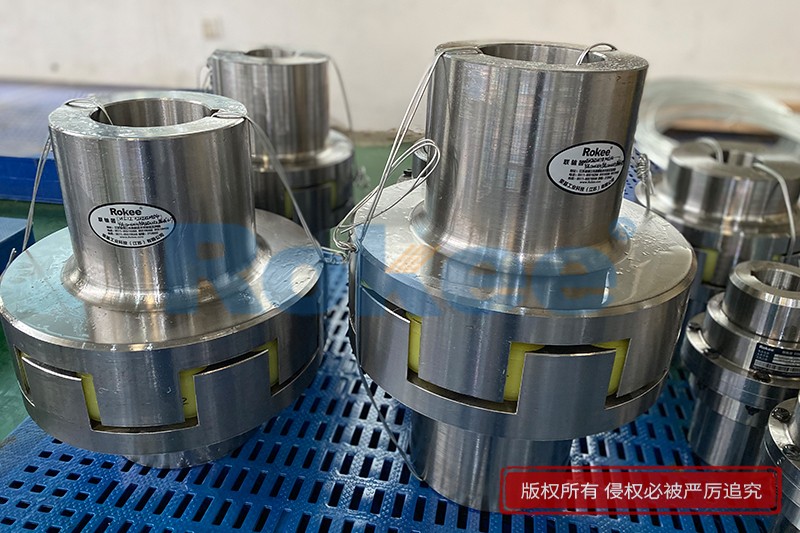
Rokee® is Jaw Couplings Supplier from China, Support Customization and Export, due to excellent quality, complete technical services and superior cost performance, Rokee® Jaw Couplings have been serving more than 60 countries and regions in the world, effectively operating in many corners of the world.
The Jaw Coupling is composed of two semi-couplings with convex claws and a plum-shaped flexible non-metallic element whose hardness can be adjusted. By embedding the plum-shaped flexible element into the two semi-couplings to realize the connection, Jaw Coupling has the characteristics of compensating the relative displacement of the two axes, reducing vibration and buffering, simple structure and easy maintenance without lubrication.
-
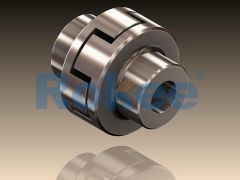
LM Plum-shaped Flexible Coupling
LM Plum-shaped Flexible Coupling is the basic form of this series of couplings. -
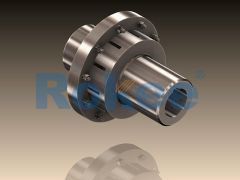
LMD Plum-shaped Flexible Coupling
LMD Plum-shaped Flexible Coupling is added with transition connection, which eliminates the need of axially moving the semi-coupling when replacing the elastomer. -
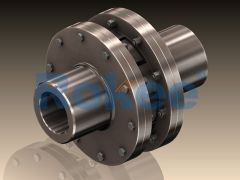
LMS Plum-shaped Flexible Coupling
LMS Plum-shaped Flexible Coupling adopts double transition flange connection, which eliminates the need of axially moving the semi-coupling when replacing the elastomer. -
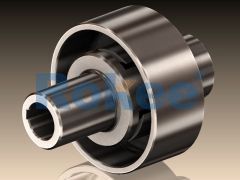
LMZ-I Plum-shaped Flexible Coupling
LMZ-I Plum-shaped Flexible Coupling adopts split brake wheel design, suitable for situations where braking is required. -
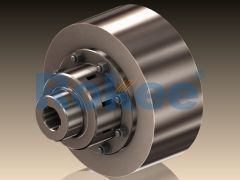
LMZ-II Plum-shaped Flexible Coupling
LMZ-II Plum-shaped Flexible Coupling adopts integral brake wheel design, suitable for situations where braking is required. -
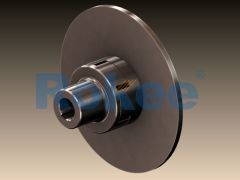
LMPK Plum-shaped Flexible Coupling
LMPK Plum-shaped Flexible Coupling adopts split brake disc design, suitable for situations where braking is required and eliminating the need of axially moving the semi-coupling when replacing the elastomer.
In the realm of mechanical power transmission, couplings serve as the critical link between rotating shafts, ensuring the seamless transfer of torque while accommodating various forms of misalignment. Among the diverse range of coupling types available, jaw couplings have emerged as a staple in countless industrial, automotive, and aerospace applications due to their unique combination of simplicity, reliability, and cost-effectiveness.
1. Understanding Jaw Couplings: Definition and Core Components
A jaw coupling is a type of flexible coupling designed to connect two rotating shafts in a power transmission system, facilitating torque transfer while compensating for angular, parallel, and axial misalignment between the shafts. Unlike rigid couplings, which require precise alignment and offer no flexibility, jaw couplings incorporate an elastomeric element that absorbs shock, dampens vibration, and allows for limited misalignment. This flexibility is the defining feature that sets jaw couplings apart from their rigid counterparts, making them suitable for applications where perfect shaft alignment is difficult to achieve or maintain.
The basic structure of a jaw coupling consists of three primary components: two jaw hubs and an elastomeric insert (often referred to as a spider). Each jaw hub features a series of evenly spaced, radially extending "jaws" that interlock with the corresponding features of the elastomeric insert. The hubs are typically mounted on the ends of the two shafts that need to be connected, using keyways, set screws, or compression fittings to ensure a secure, slip-free connection. The elastomeric insert sits between the two hubs, acting as the interface for torque transfer and the medium through which misalignment is accommodated.
The design of the jaws varies slightly depending on the application requirements, but they generally feature a curved or straight profile that allows for smooth engagement with the insert. The number of jaws can also vary, with common configurations including 3-jaw, 4-jaw, and 6-jaw designs. More jaws typically result in a higher torque capacity and more uniform load distribution, while fewer jaws may offer greater flexibility in terms of misalignment compensation. The elastomeric insert, meanwhile, is designed with a geometry that matches the jaw profile, ensuring a tight fit that minimizes backlash during torque transfer.
2. Working Principle of Jaw Couplings
The operating principle of a jaw coupling is rooted in the interaction between the rigid jaw hubs and the flexible elastomeric insert. When torque is applied to the input shaft, it is transmitted to the corresponding jaw hub, which then exerts a force on the elastomeric insert. The insert, in turn, transfers this force to the output jaw hub, which rotates the output shaft. This torque transfer process is efficient because the interlocking jaws and insert create a positive drive mechanism, meaning there is no slippage (assuming the coupling is properly sized and installed).
The key to the jaw coupling’s ability to accommodate misalignment lies in the flexibility of the elastomeric insert. When the shafts are misaligned—whether angularly (shafts intersect at an angle), parallelly (shafts are offset but parallel), or axially (shafts move toward or away from each other)—the insert deforms elastically to absorb the misalignment. Angular misalignment is compensated by the bending of the insert’s arms, while parallel misalignment is accommodated by the lateral deformation of the insert. Axial misalignment, meanwhile, is absorbed by the compression or extension of the insert along the axis of rotation. Importantly, this deformation is reversible; once the misalignment is corrected or the load is removed, the insert returns to its original shape, ensuring consistent performance over time.
Another critical aspect of the jaw coupling’s working principle is its ability to dampen vibration and absorb shock loads. The elastomeric material of the insert acts as a buffer, reducing the transmission of vibrations from one shaft to the other. This is particularly beneficial in applications where the driving or driven equipment generates significant vibration, such as electric motors, pumps, or compressors. By dampening these vibrations, jaw couplings help to reduce wear and tear on other components in the system, extend equipment life, and improve overall operational smoothness.
3. Material Selection for Jaw Couplings
The performance and durability of a jaw coupling are heavily influenced by the materials used for its components. The selection of materials is typically based on the application’s requirements, including torque capacity, operating temperature, environmental conditions, and chemical exposure. Below is a detailed overview of the materials commonly used for the jaw hubs and elastomeric inserts.
3.1 Materials for Jaw Hubs
Jaw hubs are typically manufactured from rigid, high-strength materials that can withstand the torque and stress associated with power transmission. The most common materials include:
Aluminum Alloy: Aluminum is a popular choice for jaw hubs due to its lightweight nature, good corrosion resistance, and excellent machinability. Aluminum hubs are ideal for applications where weight is a critical factor, such as in automotive and aerospace systems, or where the coupling is exposed to mild corrosive environments. However, aluminum has a lower torque capacity compared to steel, so it is best suited for low to medium torque applications.
Steel: Steel is widely used for jaw hubs in high-torque applications due to its exceptional strength, durability, and resistance to wear. Carbon steel and alloy steel are the most common types, with alloy steel offering enhanced strength and toughness. Steel hubs are suitable for heavy-duty industrial applications, such as in manufacturing machinery, conveyors, and industrial pumps. However, steel is heavier than aluminum and is prone to corrosion if not properly protected, so it may require coatings (such as zinc plating or painting) in corrosive environments.
Cast Iron: Cast iron is another material used for jaw hubs, particularly in applications where cost is a primary concern. Cast iron offers good rigidity and wear resistance, but it is brittle and has a lower tensile strength compared to steel. It is commonly used in low-speed, medium-torque applications, such as in agricultural machinery and small industrial equipment.
3.2 Materials for Elastomeric Inserts
The elastomeric insert is the most critical component in terms of flexibility, vibration damping, and misalignment compensation. The material selected for the insert must be able to withstand the operating temperature, chemical exposure, and mechanical stress of the application. Common materials include:
Nitrile Rubber (NBR): Nitrile rubber is one of the most widely used materials for jaw coupling inserts. It offers excellent oil and fuel resistance, making it ideal for automotive and industrial applications where the coupling may be exposed to lubricants or fuels. NBR also has good abrasion resistance and can operate within a temperature range of -40°C to 120°C. However, it has limited resistance to ozone and sunlight, so it is not suitable for outdoor applications without protection.
Ethylene Propylene Diene Monomer (EPDM): EPDM is a synthetic rubber that offers excellent resistance to ozone, sunlight, and weathering, making it ideal for outdoor applications. It also has good resistance to water and steam, and can operate within a temperature range of -50°C to 150°C. However, EPDM has poor oil and fuel resistance, so it is not suitable for applications where it will be exposed to these substances.
Silicone Rubber: Silicone rubber is used in applications that require high-temperature resistance, as it can operate within a range of -60°C to 230°C. It also offers good resistance to ozone and weathering, but has poor oil and fuel resistance and lower tensile strength compared to NBR and EPDM. Silicone inserts are commonly used in aerospace, automotive, and industrial applications where high temperatures are a concern.
Polyurethane: Polyurethane is a thermoplastic elastomer that offers excellent abrasion resistance, high tensile strength, and good load-bearing capacity. It can operate within a temperature range of -30°C to 80°C and is resistant to many chemicals, including oils and fuels. Polyurethane inserts are suitable for high-torque applications where durability and wear resistance are critical, such as in industrial machinery and heavy-duty equipment.
4. Key Advantages of Jaw Couplings
Jaw couplings offer a range of advantages that make them a preferred choice for many power transmission applications. These advantages stem from their simple design, flexibility, and reliable performance. Below are the most notable benefits:
4.1 Simple Design and Easy Installation
Jaw couplings have a straightforward, three-component design that makes them easy to manufacture, install, and maintain. Unlike complex couplings that require specialized tools or expertise for installation, jaw couplings can be assembled quickly by aligning the hubs and inserting the elastomeric spider. This simplicity also reduces the risk of installation errors, ensuring that the coupling operates correctly from the start.
4.2 Effective Misalignment Compensation
As previously noted, jaw couplings excel at accommodating angular, parallel, and axial misalignment between shafts. This is a critical advantage in applications where perfect alignment is difficult to achieve, such as in systems with flexible mounts, thermal expansion, or vibration. By compensating for misalignment, jaw couplings reduce stress on the shafts, bearings, and other components, extending their service life and minimizing downtime.
4.3 Vibration Damping and Shock Absorption
The elastomeric insert in jaw couplings acts as a vibration damper, reducing the transmission of vibrations from the driving shaft to the driven shaft. This helps to improve the smoothness of operation, reduce noise, and protect sensitive components (such as sensors or electronic controls) from vibration-related damage. Additionally, the insert absorbs shock loads, such as those caused by sudden starts or stops, preventing these loads from being transferred to the shafts and other parts of the system.
4.4 High Torque Capacity Relative to Size
Despite their compact size, jaw couplings offer a high torque capacity, making them suitable for a wide range of applications from low to high torque. The positive drive mechanism of the interlocking jaws and insert ensures that torque is transferred efficiently without slippage, even under heavy loads. This high torque-to-size ratio makes jaw couplings ideal for applications where space is limited, such as in automotive engines or small industrial machinery.
4.5 Cost-Effective Solution
Jaw couplings are typically more affordable than other types of flexible couplings, such as disc couplings or gear couplings. Their simple design reduces manufacturing costs, and their easy installation and maintenance minimize labor costs. Additionally, the elastomeric insert is a replaceable component, meaning that if it becomes worn or damaged, it can be replaced without having to replace the entire coupling. This reduces long-term maintenance costs and extends the overall service life of the coupling.
4.6 Wide Range of Material Options
The availability of various materials for both the hubs and inserts allows jaw couplings to be tailored to specific application requirements. Whether the application requires high-temperature resistance, corrosion resistance, oil resistance, or lightweight construction, there is a material combination that can meet these needs. This versatility makes jaw couplings suitable for a diverse range of industries and operating conditions.
5. Applications of Jaw Couplings Across Industries
Due to their numerous advantages, jaw couplings are used in a wide variety of industries and applications. Below is an overview of their most common uses, organized by industry:
5.1 Industrial Manufacturing
In industrial manufacturing, jaw couplings are used in a range of machinery, including conveyors, pumps, compressors, mixers, and agitators. These applications often involve high torque, vibration, and misalignment, making jaw couplings an ideal choice. For example, in a conveyor system, the coupling connects the electric motor to the conveyor belt drive shaft, compensating for any misalignment caused by the flexible mounting of the motor or the movement of the conveyor frame. In pumps, jaw couplings help to reduce vibration and protect the pump’s bearings from damage due to misalignment.
5.2 Automotive Industry
The automotive industry relies heavily on jaw couplings for various applications, including in engines, transmissions, and accessory drives (such as power steering pumps and alternators). In engine systems, jaw couplings connect the crankshaft to auxiliary components, transferring torque while absorbing vibration and compensating for misalignment caused by engine movement. The oil resistance of NBR or polyurethane inserts makes them particularly suitable for automotive applications, where exposure to engine oil and fuel is common.
5.3 Aerospace and Defense
In aerospace and defense applications, weight, reliability, and high-temperature resistance are critical factors. Jaw couplings with aluminum hubs and silicone rubber inserts are often used in aircraft engines, auxiliary power units (APUs), and missile systems. These couplings help to transfer torque efficiently while minimizing weight, and the silicone inserts can withstand the high temperatures encountered in aerospace environments. Additionally, the vibration damping properties of jaw couplings help to protect sensitive avionic components from damage.
5.4 Agricultural Machinery
Agricultural machinery, such as tractors, harvesters, and irrigation pumps, operates in harsh environments with significant vibration, shock loads, and misalignment. Jaw couplings with cast iron or steel hubs and durable polyurethane or NBR inserts are well-suited for these applications. They can withstand the rigors of outdoor operation, including exposure to dirt, dust, and moisture, while providing reliable torque transfer and misalignment compensation.
5.5 Medical Equipment
Medical equipment, such as centrifuges, pumps, and diagnostic machines, requires precise, smooth operation with minimal vibration. Jaw couplings with lightweight aluminum hubs and vibration-damping elastomeric inserts are used in these applications to ensure that torque is transferred smoothly without introducing vibration that could affect the accuracy of the equipment. The clean, simple design of jaw couplings also makes them easy to sterilize, which is important in medical environments.
5.6 Renewable Energy Systems
Renewable energy systems, such as wind turbines and solar pumps, often require couplings that can withstand variable loads, vibration, and outdoor conditions. Jaw couplings are used in wind turbine gearboxes to connect the rotor shaft to the generator, compensating for misalignment caused by wind-induced movement and absorbing vibration. In solar pumps, jaw couplings connect the solar panel-driven motor to the pump shaft, ensuring efficient torque transfer even in remote, outdoor locations.
6. Selection Considerations for Jaw Couplings
Selecting the right jaw coupling for a specific application requires careful consideration of several key factors. Failure to select the appropriate coupling can result in premature failure, reduced performance, and increased maintenance costs. Below are the most important factors to consider during the selection process:
6.1 Torque Capacity
The primary consideration when selecting a jaw coupling is its torque capacity. The coupling must be able to handle the maximum torque generated by the driving equipment without exceeding its rated torque. It is important to calculate the peak torque (including any shock loads or transient torques) rather than just the nominal torque, as this will ensure that the coupling can withstand the most demanding operating conditions. Manufacturers typically provide torque ratings for their couplings, which should be used as a guide when making a selection.
6.2 Shaft Misalignment
The amount and type of misalignment between the shafts must be considered when selecting a jaw coupling. Different couplings have different misalignment limits, so it is important to choose a coupling that can accommodate the expected angular, parallel, and axial misalignment in the system. If the misalignment exceeds the coupling’s limits, the elastomeric insert will experience excessive stress, leading to premature wear and failure.
6.3 Operating Temperature
The operating temperature of the application is a critical factor in selecting the elastomeric insert material. Each material has a specific temperature range within which it can operate effectively. If the operating temperature exceeds the material’s limit, the insert will degrade, lose its flexibility, and eventually fail. For example, in high-temperature applications, silicone rubber is the best choice, while in low-temperature applications, NBR or EPDM may be more suitable.
6.4 Environmental Conditions
The environmental conditions in which the coupling will operate, such as exposure to moisture, chemicals, dirt, or sunlight, must also be considered. For outdoor applications, EPDM or silicone rubber inserts are preferred due to their weather resistance. For applications exposed to oil or fuel, NBR or polyurethane inserts are ideal. Additionally, the hub material should be selected based on corrosion resistance; aluminum or stainless steel is suitable for corrosive environments, while steel may require a protective coating.
6.5 Shaft Size and Configuration
The coupling must be compatible with the size and configuration of the shafts it will connect. This includes the shaft diameter, keyway size, and mounting type (set screws, compression fittings, etc.). Manufacturers offer jaw couplings in a range of sizes to accommodate different shaft diameters, so it is important to select a coupling that matches the specific shaft dimensions of the application.
6.6 Weight and Space Constraints
In applications where weight or space is limited, such as in automotive or aerospace systems, the size and weight of the coupling are important considerations. Aluminum hubs are lighter than steel or cast iron, making them ideal for these applications. Additionally, compact jaw coupling designs are available for applications where space is at a premium.
7. Maintenance and Troubleshooting of Jaw Couplings
Proper maintenance is essential to ensure the long-term performance and reliability of jaw couplings. Regular inspection and maintenance can help to identify potential issues early, preventing premature failure and minimizing downtime. Below are some key maintenance practices and troubleshooting tips for jaw couplings:
7.1 Regular Inspection
Jaw couplings should be inspected regularly for signs of wear, damage, or misalignment. During inspection, check the elastomeric insert for cracks, tears, hardening, or excessive wear. Also, inspect the jaw hubs for signs of corrosion, wear on the jaw surfaces, or loose mounting hardware (set screws, bolts, etc.). Additionally, check the alignment of the shafts to ensure that it is within the coupling’s limits.
7.2 Lubrication
Most jaw couplings do not require lubrication, as the elastomeric insert acts as a self-lubricating element. However, if the coupling is used in an application with high temperatures or heavy loads, it may be necessary to lubricate the mounting hardware (set screws, bolts) to prevent seizing. Always use a lubricant that is compatible with the hub material and the operating environment.
7.3 Replacement of Elastomeric Inserts
The elastomeric insert is the most wear-prone component of a jaw coupling and will eventually need to be replaced. The frequency of replacement depends on the application’s operating conditions, but it is generally recommended to replace the insert if signs of wear or damage are detected. Replacing the insert is a simple process that involves removing the hubs, extracting the old insert, and installing a new one. It is important to use an insert that is compatible with the coupling’s jaw profile and the application’s requirements.
7.4 Troubleshooting Common Issues
Some common issues that may arise with jaw couplings include excessive vibration, noise, premature insert failure, and torque loss. Below are some troubleshooting tips for these issues:
- Excessive Vibration: Excessive vibration may be caused by misalignment between the shafts, a worn or damaged elastomeric insert, or loose mounting hardware. Check the shaft alignment and adjust if necessary. Inspect the insert for wear or damage and replace if needed. Tighten any loose mounting hardware.
- Noise: Noise (such as clicking or rattling) is often a sign of backlash in the coupling, which can be caused by a worn insert or loose hubs. Replace the insert if it is worn, and ensure that the hubs are securely mounted to the shafts.
- Premature Insert Failure: Premature insert failure may be due to operating temperature exceeding the insert’s limit, excessive misalignment, or chemical exposure. Check the operating temperature and select a more suitable insert material if necessary. Adjust the shaft alignment to within the coupling’s limits. Ensure that the insert is compatible with any chemicals in the operating environment.
- Torque Loss: Torque loss may be caused by slippage between the hubs and the shafts, which can be due to loose set screws or an improper fit. Tighten the set screws or replace the hubs if they are worn. Ensure that the keyway and key are properly sized and installed.
8. Conclusion
Jaw couplings are a versatile and reliable solution for power transmission applications, offering a unique combination of simplicity, flexibility, and cost-effectiveness. Their ability to compensate for misalignment, dampen vibration, and absorb shock loads makes them suitable for a wide range of industries, from industrial manufacturing and automotive to aerospace and renewable energy. By understanding the design, working principle, material selection, and application requirements of jaw couplings, engineers and technicians can select the right coupling for their specific needs, ensuring optimal performance and extended service life.
Proper selection and maintenance are key to maximizing the benefits of jaw couplings. By considering factors such as torque capacity, misalignment, operating temperature, and environmental conditions, and by performing regular inspections and replacing worn components as needed, users can ensure that their jaw couplings operate reliably for years to come. As technology continues to advance, the design and materials of jaw couplings are likely to evolve, further enhancing their performance and expanding their range of applications. However, their fundamental role as a critical link in power transmission systems will remain unchanged, making them an essential component in modern machinery and equipment.
« Jaw Couplings » Post Date: 2023/9/16
URL: https://www.rokeecoupling.com/en/tags/jaw-couplings.html
- 2025-02-25Curved Jaw Couplings Supplier
- 2025-02-25Maintenance of Flexible Jaw Coupling
- 2025-02-25Size Chart of Curved Jaw Couplings
- 2025-02-25Flexible Jaw Couplings For Sale
- 2024-10-07Function of Flexible Jaw Couplings
- 2024-10-07Gap Chart of Flexible Jaw Coupling
- 2024-10-07Grease of Flexible Jaw Coupling
- 2024-10-07Structural Diagram of Curved Jaw Coupling
- 2024-10-07Supply of Curved Jaw Couplings
- 2024-10-07Tagging of Curved Jaw Coupling
- 2024-09-27High Performance Flexible Jaw Couplings
- 2024-09-27Flexible Jaw Couplings Company
- 2024-09-27Catalogue of Flexible Jaw Couplings
- 2024-09-20Catalogue of Curved Jaw Couplings
- 2024-09-20Curved Jaw Coupling Models
- 2024-09-20Material of Flexible Jaw Coupling
- 2024-09-20Flexible Jaw Coupling Design
- 2024-09-14Torque of Curved Jaw Coupling
- 2024-09-14Working Principle of Curved Jaw Coupling
- 2024-09-14Uses of Curved Jaw Coupling
- 2024-09-06Efficiency of Curved Jaw Coupling
- 2024-09-063D Model of Curved Jaw Coupling
- 2024-09-06Curved Jaw Couplings Wholesale
- 2024-09-06Machine Drawing of Curved Jaw Couplings
- 2024-09-06Purpose of Flexible Jaw Couplings
- 2024-09-06Schematic Diagram of Flexible Jaw Couplings
- 2024-08-30Exploded View of Curved Jaw Couplings
- 2024-08-30Stiffness of Curved Jaw Coupling
- 2024-08-30Flexible Jaw Couplings Supplier
- 2024-08-30Specifications of Flexible Jaw Coupling
- 2024-08-30Disadvantages of Flexible Jaw Coupling
- 2024-08-23Curved Jaw Couplings Company
- 2024-08-23Curved Jaw Couplings Factory
- 2024-08-23Curved Jaw Couplings For Sale
- 2024-08-23Stiffness of Flexible Jaw Coupling
- 2024-08-23Structural Diagram of Flexible Jaw Coupling
- 2024-08-23Supply of Flexible Jaw Couplings
- 2024-08-17Classification of Curved Jaw Couplings
- 2024-08-17Engineering Drawing of Curved Jaw Couplings
- 2024-08-17Curved Jaw Coupling Manufacturing
- 2024-08-17Curved Jaw Couplings Assembly Drawing
- 2024-08-17Curved Jaw Couplings Manufacturer
- 2024-08-17Lubrication of Curved Jaw Coupling
- 2024-08-17Specifications of Curved Jaw Coupling
- 2024-08-17Procurement of Curved Jaw Coupling
- 2024-08-07Flexible Jaw Coupling Calculation
- 2024-08-07Flexible Jaw Coupling Brands
- 2024-08-07Exploded View of Flexible Jaw Couplings
- 2024-08-07Engineering Drawing of Flexible Jaw Couplings
- 2024-08-07Efficiency of Flexible Jaw Coupling
- 2024-07-25Gap Chart of Curved Jaw Coupling
- 2024-07-25Application of Flexible Jaw Coupling
- 2024-07-25Flexible Jaw Coupling Advantages
- 2024-07-25Flexible Jaw Couplings Wholesale
- 2024-07-25Tagging of Flexible Jaw Coupling
- 2024-07-25Misalignment Tolerance of Flexible Jaw Coupling
- 2024-07-18Types of Curved Jaw Coupling
- 2024-07-18Size Calculation of Flexible Jaw Coupling
- 2024-07-18High Quality Flexible Jaw Couplings
- 2024-07-18Flexible Jaw Couplings Factory
- 2024-07-18Flexible Jaw Coupling Drawing
- 2024-07-18Custom Flexible Jaw Couplings
- 2023-12-26Jaw Coupling With Keyway
- 2023-12-26Jaw Coupling With Flange Plate
- 2023-12-26Jaw Coupling With Expansion Sleeve
- 2023-12-26Jaw Coupling With Brake Wheel
- 2023-12-26Jaw Coupling With Brake Disc
- 2023-12-26Jaw Coupling For Water Pump
- 2023-12-26Jaw Coupling For Pumps
- 2023-12-25Jaw Coupling For Plunger Pump
- 2023-12-25Jaw Coupling For Oil Pump
- 2023-12-25Jaw Coupling For Injection Molding Machine
- 2023-12-25Jaw Coupling For Gear Pump
- 2023-12-25Jaw Coupling For Electrical Machinery
- 2023-12-24Octagon Jaw Coupling
- 2023-12-24Octapetal Jaw Coupling
- 2023-12-24Round Steel Jaw Coupling
- 2023-12-24Single Flange Jaw Coupling
- 2023-12-24Split Type Jaw Coupling
- 2023-12-24Stainless Steel Jaw Couplings
- 2023-12-24Star Jaw Coupling
- 2023-12-24Transmission Jaw Couplings
- 2023-12-24Integrated Jaw Couplings
- 2023-12-24Hexapetal Jaw Couplings
- 2023-12-24Hexagonal Jaw Couplings
- 2023-12-24Half Open Type Jaw Coupling
- 2023-12-24Guide Rail Jaw Coupling
- 2023-12-24Flexibility Jaw Coupling
- 2023-12-24Flange Type Jaw Coupling
- 2023-12-24Expansion Sleeve Type Jaw Coupling
- 2023-12-24Elastic Jaw Couplings
- 2023-12-24Double Flange Jaw Couplings
- 2023-12-24Conical Sleeve Type Jaw Coupling
- 2023-12-24Cast Steel Jaw Coupling
- 2023-12-24Brake Wheel Jaw Coupling
- 2023-12-24Automation Jaw Coupling
- 2023-10-30Purpose Of Jaw Coupling
- 2023-10-30Jaw Couplings Wholesale
- 2023-10-30Jaw Coupling Supply
- 2023-10-30Jaw Coupling Supplier
- 2023-10-30Jaw Coupling Structural Diagram
- 2023-10-30Jaw Coupling Specifications
- 2023-10-30Jaw Coupling Price
- 2023-10-30Jaw Coupling Model
- 2023-10-30Jaw Coupling Manufacturer
- 2023-10-30Jaw Coupling Make
- 2023-10-30Jaw Coupling For Sale
- 2023-10-30Jaw Coupling Factory
- 2023-10-30Jaw Coupling Effect
- 2023-10-30Jaw Coupling Drawing
- 2023-10-30Jaw Coupling Disadvantages
- 2023-10-30Jaw Coupling Design
- 2023-10-30Jaw Coupling Company
- 2023-10-30Jaw Coupling Application
- 2023-10-30Custom Jaw Couplings
- 2023-10-20Jaw Coupling Advantages And Disadvantages
- 2023-10-18High Precision Jaw Couplings
- 2023-10-17Multi Jaw Couplings
- 2023-09-19Standard For Three-jaw Couplings For Pumps