Flexible Plum Blossom Couplings
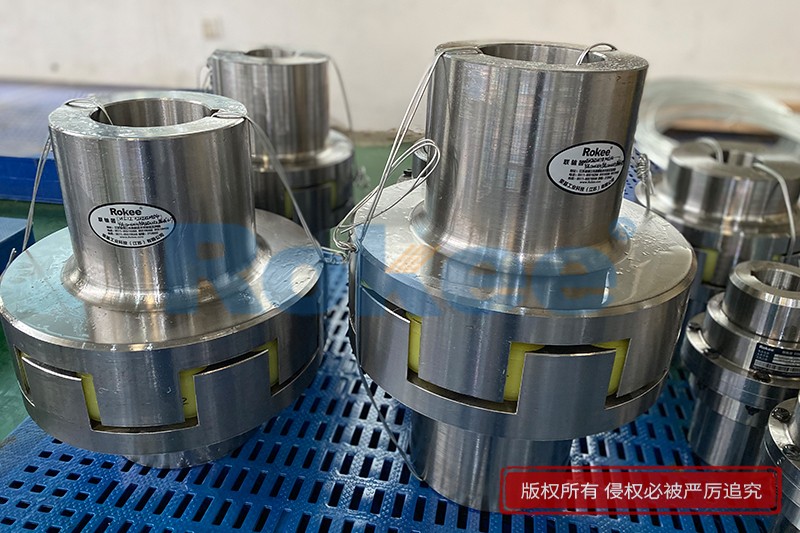
Rokee® is Flexible Plum Blossom Couplings Supplier from China, Support Customization and Export, due to excellent quality, complete technical services and superior cost performance, Rokee® Flexible Plum Blossom Couplings have been serving more than 60 countries and regions in the world, effectively operating in many corners of the world.
The Flexible Plum Blossom Coupling is composed of two semi-couplings with convex claws and a plum-shaped flexible non-metallic element whose hardness can be adjusted. By embedding the plum-shaped flexible element into the two semi-couplings to realize the connection, Flexible Plum Blossom Coupling has the characteristics of compensating the relative displacement of the two axes, reducing vibration and buffering, simple structure and easy maintenance without lubrication.
-
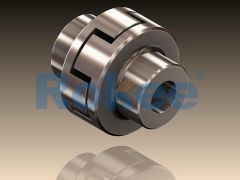
LM Plum-shaped Flexible Coupling
LM Plum-shaped Flexible Coupling is the basic form of this series of couplings. -
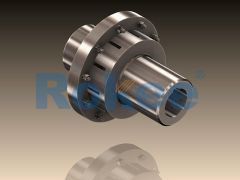
LMD Plum-shaped Flexible Coupling
LMD Plum-shaped Flexible Coupling is added with transition connection, which eliminates the need of axially moving the semi-coupling when replacing the elastomer. -
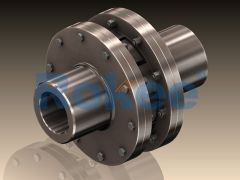
LMS Plum-shaped Flexible Coupling
LMS Plum-shaped Flexible Coupling adopts double transition flange connection, which eliminates the need of axially moving the semi-coupling when replacing the elastomer. -
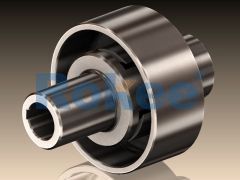
LMZ-I Plum-shaped Flexible Coupling
LMZ-I Plum-shaped Flexible Coupling adopts split brake wheel design, suitable for situations where braking is required. -
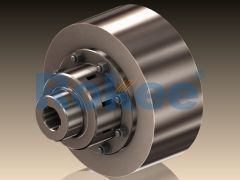
LMZ-II Plum-shaped Flexible Coupling
LMZ-II Plum-shaped Flexible Coupling adopts integral brake wheel design, suitable for situations where braking is required. -
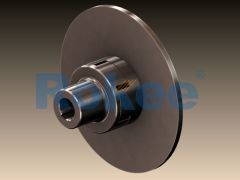
LMPK Plum-shaped Flexible Coupling
LMPK Plum-shaped Flexible Coupling adopts split brake disc design, suitable for situations where braking is required and eliminating the need of axially moving the semi-coupling when replacing the elastomer.
In the realm of mechanical power transmission, couplings serve as the critical link between rotating shafts, enabling the seamless transfer of torque while accommodating various forms of misalignment. Among the diverse range of coupling types available, the flexible plum blossom coupling has emerged as a preferred choice for numerous industrial applications due to its unique combination of flexibility, simplicity, and cost-effectiveness.
1. Definition and Basic Design of Flexible Plum Blossom Couplings
A flexible plum blossom coupling, also known as a jaw coupling with a spider insert, is a type of flexible coupling designed to transmit torque between two coaxial shafts while compensating for axial, radial, and angular misalignments. The name “plum blossom” is derived from the shape of the elastomeric insert, which features lobes resembling the petals of a plum blossom. This distinctive design consists of three primary components: two metal hubs with jaw-like projections, an elastomeric spider (the plum blossom-shaped insert), and in some cases, fastening elements such as bolts or set screws to secure the hubs to the shafts.
The metal hubs are typically cylindrical in shape, with a bore at the center to fit the shafts. The jaws on the hubs are evenly spaced around the circumference, corresponding to the lobes of the elastomeric spider. The number of jaws and lobes can vary depending on the application requirements, with common configurations including three, four, or six lobes. The elastomeric spider is inserted between the two hubs, with its lobes fitting snugly into the jaw recesses of the hubs. This arrangement creates a flexible connection that allows for relative movement between the two shafts while transmitting torque through the contact between the jaws and the spider lobes.
One of the key design features of flexible plum blossom couplings is their compact structure. Unlike some other types of flexible couplings that require additional components such as sleeves or flanges, the plum blossom coupling’s simple three-part design makes it lightweight and easy to install in confined spaces. Additionally, the design allows for quick and straightforward assembly and disassembly, which is advantageous for maintenance and replacement tasks.
2. Working Principle of Flexible Plum Blossom Couplings
The working principle of a flexible plum blossom coupling revolves around the interaction between the metal hubs and the elastomeric spider. When torque is applied to one of the shafts, it is transmitted to the corresponding hub. The jaws of this hub then exert a force on the lobes of the elastomeric spider, causing the spider to deform slightly. This deformation allows the spider to transfer the torque to the jaws of the second hub, which in turn drives the second shaft. The elastomeric material of the spider plays a crucial role in this process, as it provides the necessary flexibility to accommodate misalignments between the two shafts.
Axial misalignment occurs when the two shafts are parallel but not perfectly aligned along their axial centerline. The flexible spider can compress or extend slightly to absorb this axial displacement, preventing excessive forces from being transmitted to the shafts or other components in the power transmission system. Radial misalignment, which is the offset between the centerlines of the two shafts, is compensated for by the bending deformation of the spider’s lobes. As the shafts rotate, the lobes bend to accommodate the radial offset, ensuring continuous torque transmission.
Angular misalignment, where the two shafts are not parallel but intersect at a small angle, is also addressed by the spider’s flexibility. The elastomeric material allows the lobes to twist slightly, adapting to the angular difference between the shafts. In addition to compensating for misalignments, the elastomeric spider also acts as a damping element, absorbing vibrations and shocks that may occur during operation. This vibration damping capability helps to reduce noise levels, minimize wear on other components, and improve the overall smoothness of the power transmission system.
3. Material Selection for Flexible Plum Blossom Couplings
The performance and durability of a flexible plum blossom coupling are heavily dependent on the materials used for its components. The selection of materials is influenced by various factors, including the application’s torque requirements, operating temperature, environmental conditions, and desired service life. Below is a detailed overview of the materials commonly used for the two main components: the metal hubs and the elastomeric spider.
3.1 Materials for Metal Hubs
The metal hubs are required to be strong, rigid, and capable of withstanding high torque loads without deformation or failure. The most commonly used materials for hubs include:
• Carbon Steel: Carbon steel is a popular choice for hub manufacturing due to its high strength, durability, and cost-effectiveness. It is suitable for a wide range of industrial applications with moderate torque requirements. Carbon steel hubs can be heat-treated to enhance their hardness and wear resistance, making them suitable for applications involving high-speed rotation or heavy loads.
• Alloy Steel: Alloy steel, which contains additional elements such as chromium, nickel, or molybdenum, offers superior strength, toughness, and resistance to fatigue compared to carbon steel. It is often used in high-torque applications, such as in heavy machinery, industrial gearboxes, and power generation equipment. Alloy steel hubs are also more resistant to corrosion and high temperatures, making them suitable for harsh operating environments.
• Aluminum Alloy: Aluminum alloy is used for applications where weight reduction is a priority. It is lightweight, has good thermal conductivity, and offers sufficient strength for low to moderate torque requirements. Aluminum alloy hubs are commonly used in automotive applications, small motors, and precision machinery where high speed and low inertia are essential. However, they are not suitable for heavy-load applications due to their lower strength compared to steel.
• Stainless Steel: Stainless steel is selected for applications that require resistance to corrosion, such as those in the food processing, pharmaceutical, or marine industries. It offers good strength and durability while being resistant to rust and chemical degradation. Stainless steel hubs are more expensive than carbon or alloy steel, but their corrosion resistance makes them indispensable in harsh or hygienic environments.
3.2 Materials for Elastomeric Spider
The elastomeric spider is the flexible component of the coupling, and its material must possess excellent elasticity, wear resistance, and resistance to environmental factors such as temperature, oil, and chemicals. The most commonly used materials for the spider include:
• Natural Rubber: Natural rubber is known for its high elasticity and good vibration damping properties. It is suitable for low to moderate temperature applications (typically between -20°C and 70°C) and offers good resistance to wear and tear. However, natural rubber has poor resistance to oil, chemicals, and ozone, making it unsuitable for applications involving exposure to these substances.
• Nitrile Rubber (NBR): Nitrile rubber is a synthetic rubber that offers excellent resistance to oil, fuel, and other petroleum-based products. It also has good elasticity and wear resistance, making it suitable for applications in the automotive, hydraulic, and industrial sectors where exposure to oil is common. Nitrile rubber can operate within a temperature range of -30°C to 100°C, making it more versatile than natural rubber in terms of temperature tolerance.
• Ethylene Propylene Diene Monomer (EPDM): EPDM rubber is highly resistant to ozone, weathering, and chemical attack, making it suitable for outdoor applications or environments with exposure to harsh chemicals. It has good elasticity and can operate at temperatures ranging from -40°C to 120°C. EPDM is commonly used in applications such as HVAC systems, outdoor machinery, and chemical processing equipment.
• Silicon Rubber: Silicon rubber offers excellent high-temperature resistance, with a operating temperature range of -60°C to 200°C. It also has good elasticity and resistance to ozone and weathering. However, it has poor resistance to oil and chemicals, making it suitable for high-temperature applications where oil exposure is minimal, such as in aerospace, electrical, and high-temperature industrial processes.
• Polyurethane: Polyurethane is a synthetic material that offers a combination of high strength, wear resistance, and elasticity. It has good resistance to oil, chemicals, and abrasion, making it suitable for heavy-duty applications with high torque requirements. Polyurethane spiders can operate within a temperature range of -30°C to 80°C and are commonly used in industrial machinery, conveyor systems, and construction equipment.
4. Key Advantages of Flexible Plum Blossom Couplings
Flexible plum blossom couplings offer a range of advantages that make them a popular choice for many industrial applications. These advantages stem from their unique design and material selections, and they contribute to improved system performance, reliability, and cost-effectiveness. Below are the key advantages of this coupling type:
4.1 Excellent Misalignment Compensation
One of the primary advantages of flexible plum blossom couplings is their ability to compensate for axial, radial, and angular misalignments between shafts. This is crucial in industrial applications where perfect alignment is often difficult to achieve due to manufacturing tolerances, installation errors, or thermal expansion and contraction of components during operation. By accommodating these misalignments, the coupling reduces the stress on shafts, bearings, and other components, minimizing wear and extending their service life.
4.2 Effective Vibration Damping
The elastomeric spider of the plum blossom coupling acts as a vibration damper, absorbing vibrations and shocks generated by rotating machinery. This helps to reduce noise levels in the workplace, improve the smoothness of operation, and protect sensitive components such as motors, gearboxes, and sensors from damage caused by excessive vibration. The vibration damping capability is particularly beneficial in high-speed applications or applications involving intermittent loads, where vibrations can be a major issue.
4.3 Simple and Compact Design
The three-part design of flexible plum blossom couplings makes them simple in structure, lightweight, and compact. This allows for easy installation and maintenance, even in confined spaces where other types of couplings may not fit. The simple design also reduces the number of components that can fail, improving the overall reliability of the coupling. Additionally, the compact size and lightweight nature of the coupling contribute to lower inertia, which is advantageous in high-speed applications where quick acceleration and deceleration are required.
4.4 Cost-Effectiveness
Compared to other types of flexible couplings such as diaphragm couplings or gear couplings, plum blossom couplings are relatively inexpensive to manufacture and purchase. Their simple design requires fewer materials and less complex manufacturing processes, resulting in lower production costs. Additionally, the ease of installation and maintenance reduces labor costs, making them a cost-effective choice for many industrial applications. The replaceable elastomeric spider is also a cost-saving feature, as it can be replaced without having to replace the entire coupling when it becomes worn or damaged.
4.5 High Torque Transmission Capacity
Despite their compact size and flexible design, plum blossom couplings are capable of transmitting high levels of torque. The metal hubs provide the necessary strength to withstand heavy loads, while the elastomeric spider ensures that the torque is transmitted efficiently between the shafts. This makes them suitable for a wide range of applications, from small motors to heavy-duty industrial machinery.
4.6 Wide Operating Temperature Range
With the availability of different elastomeric materials, flexible plum blossom couplings can operate within a wide range of temperatures. From low-temperature applications using silicon rubber spiders to high-temperature applications using EPDM or nitrile rubber, the coupling can be tailored to meet the specific temperature requirements of the application. This versatility makes them suitable for use in various environments, from cold storage facilities to high-temperature industrial processes.
5. Typical Applications of Flexible Plum Blossom Couplings
Due to their numerous advantages, flexible plum blossom couplings are used in a wide range of industrial, commercial, and automotive applications. Their ability to compensate for misalignments, dampen vibrations, and transmit high torque makes them suitable for applications involving rotating machinery. Below are some of the typical applications where plum blossom couplings are commonly used:
5.1 Industrial Machinery
In the industrial sector, plum blossom couplings are widely used in various types of machinery, including conveyors, pumps, compressors, and mixers. Conveyor systems, for example, often require couplings that can accommodate misalignments between the motor and the conveyor drive shaft, as well as dampen vibrations caused by the movement of materials. Plum blossom couplings are ideal for this application due to their misalignment compensation and vibration damping capabilities. Similarly, pumps and compressors benefit from the coupling’s ability to transmit high torque efficiently while protecting the motor and pump shafts from stress caused by misalignments.
5.2 Automotive Industry
The automotive industry uses plum blossom couplings in a variety of applications, such as in the transmission systems of cars, trucks, and buses. They are also used in auxiliary systems such as power steering pumps, water pumps, and air conditioning compressors. In these applications, the coupling’s compact size, lightweight design, and vibration damping properties are particularly important. The ability to accommodate misalignments between the engine and auxiliary components ensures reliable operation and extends the service life of the components.
5.3 Electrical Machinery
Electrical machinery such as electric motors and generators often require couplings that can transmit torque efficiently while minimizing vibration and noise. Plum blossom couplings are commonly used to connect electric motors to various types of driven equipment, such as fans, blowers, and pumps. The coupling’s vibration damping capability helps to reduce the noise generated by the motor, making it suitable for use in residential, commercial, and industrial settings where noise levels are a concern. Additionally, the coupling’s ability to accommodate misalignments ensures that the motor operates efficiently and reliably.
5.4 Precision Machinery
Precision machinery such as CNC machines, lathes, and milling machines require couplings that can transmit torque with high accuracy while minimizing backlash and vibration. Plum blossom couplings with polyurethane spiders are often used in these applications due to their high rigidity and low backlash. The coupling’s ability to compensate for small misalignments ensures that the precision of the machinery is maintained, resulting in high-quality finished products. Additionally, the compact size of the coupling makes it suitable for use in the confined spaces of precision machinery.
5.5 Agricultural Machinery
Agricultural machinery such as tractors, harvesters, and irrigation pumps often operate in harsh environments with high levels of vibration and misalignment. Plum blossom couplings are well-suited for these applications due to their durability, high torque transmission capacity, and ability to accommodate misalignments. The coupling’s resistance to dust, dirt, and moisture ensures reliable operation even in the challenging conditions of agricultural fields.
6. Maintenance and Inspection of Flexible Plum Blossom Couplings
Proper maintenance and inspection are essential to ensure the reliable operation and long service life of flexible plum blossom couplings. Regular maintenance helps to identify potential issues early, preventing unexpected failures and minimizing downtime. Below are the key maintenance and inspection practices for plum blossom couplings:
6.1 Regular Visual Inspection
Visual inspection should be performed regularly to check for signs of wear, damage, or misalignment. During the inspection, the coupling should be checked for cracks or deformation in the metal hubs, wear or tearing of the elastomeric spider, and loose fastening elements such as bolts or set screws. The spider should also be checked for signs of hardening, softening, or discoloration, which may indicate degradation of the elastomeric material due to age, temperature, or chemical exposure.
6.2 Checking Alignment
Proper alignment of the shafts is crucial for the performance and longevity of the coupling. Misalignment can cause excessive stress on the coupling components, leading to premature wear and failure. Alignment should be checked regularly using tools such as dial indicators or laser alignment systems. If misalignment is detected, the shafts should be realigned immediately to prevent further damage.
6.3 Lubrication
Most plum blossom couplings do not require lubrication, as the elastomeric spider acts as a self-lubricating component. However, if the coupling uses set screws or bolts to secure the hubs to the shafts, these fastening elements should be lubricated periodically to prevent corrosion and ensure that they can be easily removed during maintenance. It is important to use the correct type of lubricant for the application, as some lubricants may damage the elastomeric spider.
6.4 Replacement of Elastomeric Spider
The elastomeric spider is the most wear-prone component of the coupling and will eventually need to be replaced. The frequency of replacement depends on the application’s operating conditions, such as torque, speed, temperature, and environmental factors. As a general rule, the spider should be replaced if it shows signs of wear, tearing, or degradation. Replacement of the spider is a simple process that involves removing the fastening elements, separating the hubs, and inserting a new spider. It is important to select a spider made from the correct material for the application to ensure optimal performance.
6.5 Storage and Handling
When not in use, plum blossom couplings should be stored in a clean, dry environment to prevent corrosion and damage. The elastomeric spider should be protected from direct sunlight, ozone, and chemicals, as these can cause degradation. Couplings should be handled with care to avoid dropping or impacting them, which can cause deformation or damage to the hubs or spider.
7. Conclusion
Flexible plum blossom couplings are a versatile and reliable type of power transmission component that offers numerous advantages for a wide range of industrial applications. Their unique design, which combines metal hubs with an elastomeric spider, enables them to compensate for axial, radial, and angular misalignments, dampen vibrations, and transmit high torque efficiently. The selection of appropriate materials for the hubs and spider allows the coupling to be tailored to meet the specific requirements of different applications, including varying temperature ranges, environmental conditions, and torque loads.
From industrial machinery and automotive systems to electrical and precision machinery, plum blossom couplings play a critical role in ensuring the smooth and reliable operation of rotating equipment. Proper maintenance and inspection practices, such as regular visual checks, alignment verification, and timely replacement of the elastomeric spider, are essential to maximize the service life of the coupling and minimize downtime.
As industrial technology continues to advance, the demand for efficient and reliable power transmission components is expected to grow. Flexible plum blossom couplings, with their combination of simplicity, flexibility, and cost-effectiveness, are well-positioned to meet this demand and remain a preferred choice for engineers and industry professionals. By understanding the design, functionality, and applications of plum blossom couplings, professionals can make informed decisions that optimize the performance and reliability of their power transmission systems.
« Flexible Plum Blossom Couplings » Post Date: 2023/9/16
URL: https://www.rokeecoupling.com/en/tags/flexible-plum-blossom-couplings.html
- 2024-04-01Working Principle of Flexible Plum Blossom Coupling
- 2024-04-01Uses of Flexible Plum Blossom Coupling
- 2024-04-01Torque of Flexible Plum Blossom Coupling
- 2024-04-01Tagging of Flexible Plum Blossom Coupling
- 2024-04-01Supply of Flexible Plum Blossom Couplings
- 2024-04-01Structural Diagram of Flexible Plum Blossom Couplings
- 2024-04-01Gap Chart of Flexible Plum Blossom Couplings
- 2024-04-01Function of Flexible Plum Blossom Couplings
- 2024-04-01Flexible Plum Blossom Couplings Wholesale
- 2024-04-01Flexible Plum Blossom Couplings Supplier
- 2024-04-01Flexible Plum Blossom Couplings Factory
- 2024-04-01Flexible Plum Blossom Couplings Company
- 2024-04-01Flexible Plum Blossom Coupling Standard Sizes
- 2024-04-01Flexible Plum Blossom Coupling Sales
- 2024-04-01Flexible Plum Blossom Coupling Price
- 2024-04-01Flexible Plum Blossom Coupling Picture
- 2024-04-01Flexible Plum Blossom Coupling Manufacturing
- 2024-04-01Flexible Plum Blossom Coupling Drawing
- 2024-04-01Flexible Plum Blossom Coupling Design
- 2024-04-01Flexible Plum Blossom Coupling Calculation
- 2024-04-01Flexible Plum Blossom Coupling Brands
- 2024-04-01Flexible Plum Blossom Coupling Assembly Drawing
- 2024-03-26Exploded View of Flexible Plum Blossom Couplings
- 2024-03-26Engineering Drawing of Flexible Plum Blossom Couplings
- 2024-03-26Efficiency of Flexible Plum Blossom Coupling
- 2024-03-26Disadvantages of Flexible Plum Blossom Coupling
- 2024-03-26Custom Flexible Plum Blossom Couplings
- 2024-03-26Components of Flexible Plum Blossom Coupling
- 2024-03-26Classification of Flexible Plum Blossom Couplings
- 2024-03-26Catalogue of Flexible Plum Blossom Couplings
- 2024-03-26Application of Flexible Plum Blossom Couplings
- 2024-03-26Angle of Flexible Plum Blossom Coupling
- 2024-03-26Alignment of Flexible Plum Blossom Coupling
- 2024-03-263D Model of Flexible Plum Blossom Coupling
- 2024-03-19Size Chart of Flexible Plum Blossom Couplings
- 2024-03-19Size Calculation of Flexible Plum Blossom Coupling
- 2024-03-19Schematic Diagram of Flexible Plum Blossom Couplings
- 2024-03-19Purpose of Flexible Plum Blossom Coupling
- 2024-03-19Procurement of Flexible Plum Blossom Coupling
- 2024-03-19Parts of Flexible Plum Blossom Coupling
- 2024-03-19Material of Flexible Plum Blossom Coupling
- 2024-03-19Maintenance of Flexible Plum Blossom Coupling
- 2024-03-19Machine Drawing of Flexible Plum Blossom Couplings
- 2024-03-19Lubrication of Flexible Plum Blossom Coupling
- 2024-03-19Installation of Flexible Plum Blossom Coupling
- 2024-03-19High Quality Flexible Plum Blossom Couplings
- 2024-03-04Grease of Flexible Plum Blossom Coupling
- 2024-03-04Stiffness of Flexible Plum Blossom Coupling
- 2024-03-04Flexible Plum Blossom Couplings Manufacturer
- 2024-03-04Types of Flexible Plum Blossom Coupling
- 2024-03-04Specifications of Flexible Plum Blossom Coupling
- 2024-03-04Misalignment Tolerance of Flexible Plum Blossom Coupling
- 2024-03-04High Performance Flexible Plum Blossom Couplings
- 2024-03-04Coaxiality of Flexible Plum Blossom Coupling
- 2024-03-04Flexible Plum Blossom Coupling Advantages
- 2024-03-04Flexible Plum Blossom Coupling Models
- 2024-03-04Flexible Plum Blossom Couplings For Sale