Flexible Diaphragm Couplings
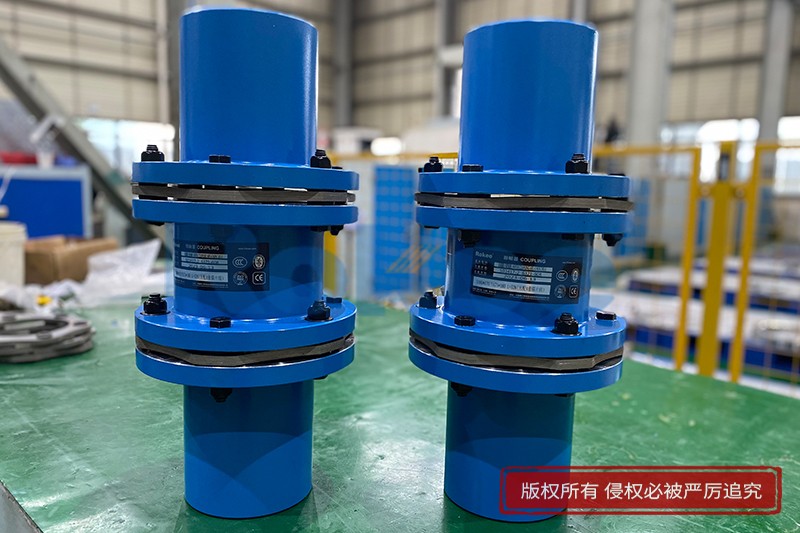
Rokee® is Flexible Diaphragm Couplings Supplier from China, Support Customization and Export, due to excellent quality, complete technical services and superior cost performance, Rokee® Flexible Diaphragm Couplings have been serving more than 60 countries and regions in the world, effectively operating in many corners of the world.
Flexible Diaphragm Coupling is an efficient flexible coupling with no back clearance and free from maintenance. Due to its unique structural design, Flexible Diaphragm Coupling can achieve the perfect delivery of torque. Meanwhile, Flexible Diaphragm Coupling has excellent performances, including large axial and radial compensation ability, low reply feedback force and wide thermal adaptability, etc. With different change design, Flexible Diaphragm Coupling can be applied at most power transmission sites.
-
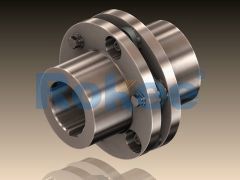
JMI Diaphragm Coupling
JMI metal diaphragm coupling adopts the single-piece design, suitable for short distance transmission. Besides, the semi-coupling sleeve at one end has a counterbore, facilitating the fixing of the shaft end. -
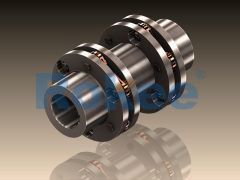
JMIJ Diaphragm Coupling
JMIJ metal diaphragm coupling is designed with intermediate shaft, suitable for long distance transmission. Besides, the semi-coupling sleeve at one end has a counterbore, facilitating the fixing of the shaft end. -
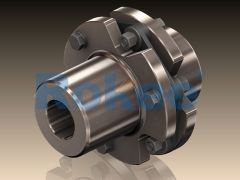
JMII Diaphragm Coupling
JMII metal diaphragm coupling also adopts the single-piece design but has no counterbore, suitable for short distance transmission, with more compact structure. -
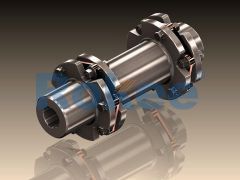
JMIIJ Diaphragm Coupling
JMIIJ metal diaphragm coupling is designed with intermediate shaft, suitable for long distance transmission. Besides, the semi-coupling sleeve at both ends have no counterbore. -
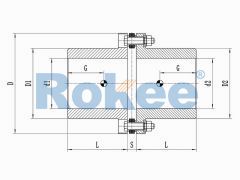
RLA Standard Single Diaphragm Coupling
The classic design of metal flexible diaphragm couplings is a reliable choice for medium to low speed applications, but cannot compensate for radial deviation. -
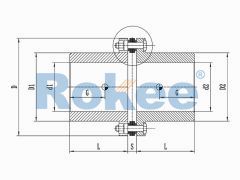
RLM Small Single Diaphragm Coupling
The RLM standard single section small metal diaphragm coupling is suitable for various industrial process pumps and small torque working situations with a working speed not exceeding 5000rpm, and cannot compensate for radial errors. -
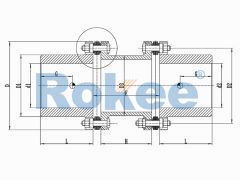
RLMD Small Double Diaphragm Coupling
The RLMD standard double section small metal diaphragm coupling is suitable for various industrial process pumps and small torque working occasions with a working speed not exceeding 5000rpm. -
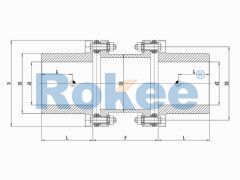
RLAD Standard Double Diaphragm Coupling
The classic design of metal flexible diaphragm couplings is a reliable choice for medium to low speed applications. -
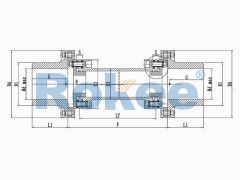
RLAT Super Long Wheelbase Diaphragm Coupling
Adopting an intermediate shaft design, suitable for ultra long shaft spacing power transmission applications. -
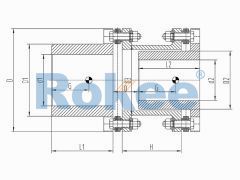
RLAR Single Shaft Sleeve Reverse-mounting Diaphragm Coupling
Single side shaft sleeve reverse installation design, suitable for occasions with limited shaft head distance. -
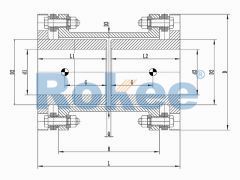
RLARD Double Shaft Sleeve Reverse-mounting Diaphragm Coupling
The double-sided shaft sleeve reverse installation design is also applicable in situations where the distance from the shaft head is limited or the additional bending moment is smaller. -
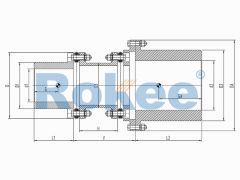
RLAF Large & Small Shaft Mounted Diaphragm Coupling
The size difference design of the bilateral shaft sleeve is suitable for situations where the diameter difference between the two ends of the shaft is significant. -
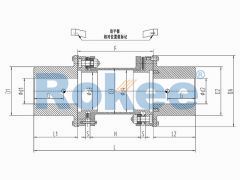
RLQA No Flange Quick Installation Metal Diaphragm Coupling
Suitable for various industrial process pumps, fans, and other medium to low speed applications, with a maximum speed generally not exceeding 25000 rpm. It meets the requirements of API610/ISO14691 and is one of the first products for API applications. -
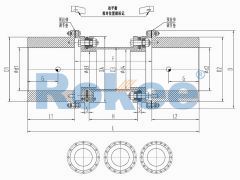
RLQF Flange Type Quick Installation Diaphragm Coupling
Suitable for drum pressure fans, turbine compressors, and other high speed applications, with a maximum speed of up to 35000rpm. -
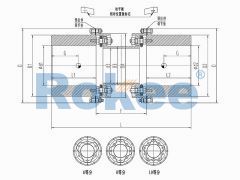
RLQU Improved Flange Quick Installation Diaphragm Coupling
The improved RLQF has smaller additional bending moments and better performance. Suitable for drum pressure fans, turbine compressors, and other high speed applications. -
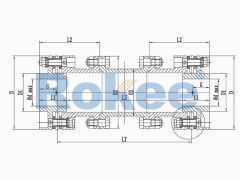
RLHD High Speed Diaphragm Coupling
Suitable for higher speed applications, it also adopts a flexible component integrated assembly design, with a maximum speed of up to 42000rpm.
In the realm of power transmission systems, couplings serve as critical components that connect two rotating shafts, enabling the transfer of torque while accommodating various forms of misalignment. Among the diverse range of couplings available, flexible diaphragm couplings have emerged as a preferred choice in numerous industrial applications due to their unique combination of flexibility, rigidity, and reliability. Unlike traditional couplings that rely on elastic elements such as rubber or gears, flexible diaphragm couplings utilize thin, metallic diaphragms to transmit torque and compensate for misalignments. This design not only ensures high torque transmission efficiency but also eliminates the need for lubrication, reducing maintenance requirements and enhancing operational safety.
To understand the functionality of flexible diaphragm couplings, it is first necessary to grasp their basic structural composition. A typical flexible diaphragm coupling consists of several core components: two hubs, a set of diaphragms, and connecting bolts. The hubs are designed to attach to the driving and driven shafts, respectively, and are usually manufactured from high-strength materials such as alloy steel or stainless steel to withstand the torsional forces generated during operation. The diaphragms, which are the defining feature of this type of coupling, are thin, disc-shaped or bellows-shaped metallic elements that connect the two hubs. These diaphragms are often made from materials with excellent fatigue resistance and tensile strength, such as titanium alloy, stainless steel 304, or Inconel, depending on the specific application requirements. The connecting bolts secure the diaphragms to the hubs, ensuring a rigid connection that allows for efficient torque transfer while maintaining the flexibility needed to accommodate misalignments.
The operating principle of flexible diaphragm couplings revolves around the elastic deformation of the diaphragms. When torque is applied to the driving shaft, the hub transmits this torque to the diaphragms through the connecting bolts. The diaphragms, in turn, transfer the torque to the driven hub and shaft. During this process, the diaphragms undergo controlled elastic deformation to compensate for three main types of misalignment: angular misalignment (where the shafts are inclined relative to each other), parallel misalignment (where the shafts are offset radially), and axial misalignment (where the shafts move along their axial direction). Unlike rigid couplings, which require precise alignment to avoid excessive stress on shafts and bearings, flexible diaphragm couplings can accommodate moderate levels of misalignment without compromising torque transmission efficiency. This elastic deformation capability is achieved through the specific design of the diaphragms, which are engineered with thin sections or corrugations that allow for bending and axial stretching while maintaining sufficient rigidity to transmit high torques.
One of the most significant advantages of flexible diaphragm couplings is their high torque transmission capacity relative to their size. Due to the use of high-strength metallic diaphragms, these couplings can transmit large torques without experiencing significant deformation or failure. This makes them suitable for use in high-power applications, such as industrial motors, turbines, and pumps, where reliable torque transfer is essential. Additionally, the metallic construction of the diaphragms ensures excellent resistance to high temperatures, chemicals, and harsh environmental conditions. Unlike elastomeric couplings, which can degrade over time when exposed to extreme temperatures or corrosive substances, flexible diaphragm couplings maintain their performance characteristics in a wide range of operating environments, including high-temperature industrial processes, chemical plants, and offshore applications.
Another key benefit of flexible diaphragm couplings is their maintenance-free operation. Unlike gear couplings or universal joints, which require regular lubrication to prevent wear and tear, flexible diaphragm couplings have no moving parts that require lubrication. The diaphragms and hubs are designed to operate without any sliding or rolling contact, eliminating the need for grease or oil. This not only reduces maintenance costs and downtime but also eliminates the risk of lubricant leakage, which can contaminate the surrounding environment and cause operational issues. Furthermore, the absence of lubrication means that flexible diaphragm couplings are suitable for use in clean environments, such as food processing plants, pharmaceutical facilities, and semiconductor manufacturing, where contamination must be strictly controlled.
Vibration damping is another important advantage of flexible diaphragm couplings. The elastic deformation of the diaphragms helps to absorb and dampen vibrations generated during operation, reducing the transmission of vibrations from the driving shaft to the driven shaft. This not only improves the stability and smoothness of the power transmission system but also reduces wear and tear on other components, such as bearings, shafts, and gears. In applications where precision and stability are critical, such as machine tools, precision conveyors, and robotic systems, the vibration damping capabilities of flexible diaphragm couplings play a crucial role in ensuring optimal performance and extending the service life of the equipment.
Flexible diaphragm couplings also offer excellent concentricity and alignment accuracy. The rigid connection between the hubs and diaphragms ensures that the shafts remain concentric during operation, reducing the risk of eccentricity-induced vibrations and wear. This is particularly important in high-speed applications, such as centrifuges, compressors, and high-speed motors, where even small deviations from concentricity can lead to significant operational issues, including increased noise, reduced efficiency, and premature component failure. Additionally, the ability of flexible diaphragm couplings to accommodate misalignments helps to simplify the installation process, as they do not require the same level of precise alignment as rigid couplings.
The application range of flexible diaphragm couplings is extensive, covering a wide variety of industries and operating conditions. In the automotive industry, they are used in high-performance engines, transmissions, and drivetrains, where high torque transmission and reliability are essential. In the aerospace industry, flexible diaphragm couplings are employed in aircraft engines and auxiliary power units, benefiting from their lightweight construction, high-temperature resistance, and maintenance-free operation. In the industrial sector, they are widely used in pumps, compressors, turbines, conveyors, and machine tools, where they provide reliable torque transfer and misalignment compensation. They are also used in renewable energy applications, such as wind turbines and solar power systems, where their ability to withstand harsh environmental conditions and provide stable power transmission is crucial.
In addition to these industries, flexible diaphragm couplings are also used in marine applications, such as ship propulsion systems, where they must withstand the corrosive effects of saltwater and the high torques generated by marine engines. In the medical industry, they are used in precision medical equipment, such as centrifuges and diagnostic machines, where their vibration damping capabilities and precision alignment ensure accurate and reliable operation. The versatility of flexible diaphragm couplings makes them suitable for both standard and custom applications, with manufacturers able to design couplings to meet specific torque, speed, and environmental requirements.
When selecting a flexible diaphragm coupling, several key factors must be considered to ensure optimal performance and reliability. The first factor is the torque capacity of the coupling. It is essential to select a coupling with a torque rating that exceeds the maximum torque generated by the application, to ensure that the coupling can withstand the operational loads without failure. The second factor is the speed rating, as the coupling must be able to operate at the maximum rotational speed of the shafts without experiencing excessive centrifugal forces or vibration. The third factor is the type and magnitude of misalignment that the coupling will need to accommodate. Different applications require different levels of misalignment compensation, and the coupling must be selected accordingly.
Material selection is another important consideration when choosing a flexible diaphragm coupling. The materials used for the hubs and diaphragms must be compatible with the operating environment, including temperature, humidity, and chemical exposure. For high-temperature applications, materials such as titanium alloy or Inconel are preferred, while for corrosive environments, stainless steel or other corrosion-resistant materials are recommended. The size and weight of the coupling are also important factors, particularly in applications where space is limited or weight reduction is critical, such as aerospace or automotive applications.
Installation and maintenance practices also play a crucial role in the performance and service life of flexible diaphragm couplings. During installation, it is important to ensure that the hubs are properly mounted on the shafts and that the connecting bolts are tightened to the recommended torque specifications. While flexible diaphragm couplings are maintenance-free, regular inspections are still necessary to check for signs of wear, fatigue, or damage to the diaphragms or hubs. Any signs of cracking, deformation, or corrosion should be addressed immediately to prevent coupling failure and potential damage to other components in the power transmission system.
In recent years, advancements in materials science and manufacturing technology have led to further improvements in the performance and capabilities of flexible diaphragm couplings. The development of new high-strength, lightweight materials has enabled the design of couplings with higher torque capacities and lower weight, making them suitable for an even wider range of applications. Additionally, advancements in precision manufacturing techniques, such as laser cutting and CNC machining, have improved the accuracy and consistency of diaphragm designs, enhancing their flexibility and fatigue resistance. These advancements have also made it possible to produce custom-designed couplings more efficiently, allowing manufacturers to meet the specific requirements of complex applications.
Despite their numerous advantages, flexible diaphragm couplings are not suitable for all applications. In applications where extremely high levels of misalignment must be accommodated, such as in some agricultural or construction equipment, elastomeric couplings or universal joints may be more appropriate. Additionally, flexible diaphragm couplings are generally more expensive than standard elastomeric couplings, which may make them less suitable for low-cost, low-power applications where cost is the primary consideration. However, in applications where reliability, high torque transmission, and low maintenance are critical, the benefits of flexible diaphragm couplings far outweigh their higher initial cost.
In conclusion, flexible diaphragm couplings are a versatile and reliable power transmission component that offers numerous advantages over traditional couplings. Their unique design, which utilizes metallic diaphragms for torque transmission and misalignment compensation, ensures high efficiency, high-temperature resistance, and maintenance-free operation. These characteristics make them suitable for a wide range of applications across various industries, including automotive, aerospace, industrial, renewable energy, and marine. When selecting a flexible diaphragm coupling, it is important to consider factors such as torque capacity, speed rating, misalignment requirements, material compatibility, and installation practices to ensure optimal performance. With ongoing advancements in materials and manufacturing technology, flexible diaphragm couplings are likely to continue to play an increasingly important role in power transmission systems, providing reliable and efficient torque transfer for years to come.
« Flexible Diaphragm Couplings » Post Date: 2023/9/2
URL: https://www.rokeecoupling.com/en/tags/flexible-diaphragm-couplings.html
- 2023-11-14Uses of Flexible Diaphragm Couplings
- 2023-11-14Torque of Flexible Diaphragm Coupling
- 2023-11-14Sales of Flexible Diaphragm Couplings
- 2023-11-14Size Chart of Flexible Diaphragm Coupling
- 2023-11-14Parts of Flexible Diaphragm Coupling
- 2023-11-14Material of Flexible Diaphragm Coupling
- 2023-11-14Flexible Diaphragm Couplings Supplier
- 2023-11-14Flexible Diaphragm Couplings Wholesale
- 2023-11-14Flexible Diaphragm Couplings For Sale
- 2023-11-14Flexible Diaphragm Couplings Factory
- 2023-11-14Flexible Diaphragm Coupling Working Principle
- 2023-11-14Flexible Diaphragm Coupling Tagging
- 2023-11-14Flexible Diaphragm Coupling Supply
- 2023-11-14Flexible Diaphragm Coupling Structural Diagram
- 2023-11-14Flexible Diaphragm Coupling Specifications
- 2023-11-14Flexible Diaphragm Coupling Size Calculation
- 2023-11-14Flexible Diaphragm Coupling Purpose
- 2023-11-14Flexible Diaphragm Coupling Procurement
- 2023-11-14Flexible Diaphragm Coupling Misalignment Tolerance
- 2023-11-14Flexible Diaphragm Coupling Manufacturing Enterprise
- 2023-11-14Flexible Diaphragm Coupling Maintenance
- 2023-11-14Flexible Diaphragm Coupling Machine Drawing
- 2023-11-14Flexible Diaphragm Coupling Installation
- 2023-11-14Flexible Diaphragm Coupling Grease
- 2023-11-14Flexible Diaphragm Coupling Gap Chart
- 2023-11-14Flexible Diaphragm Coupling Function
- 2023-11-14Flexible Diaphragm Coupling Engineering Drawing
- 2023-11-14Flexible Diaphragm Coupling Components
- 2023-11-14Flexible Diaphragm Coupling Calculation
- 2023-11-14Flexible Diaphragm Coupling Assembly Drawing
- 2023-11-14Flexible Diaphragm Coupling Applications
- 2023-11-14Exploded View of Flexible Diaphragm Couplings
- 2023-11-14Efficiency of Flexible Diaphragm Couplings
- 2023-11-14Disadvantages of Flexible Diaphragm Couplings
- 2023-11-14Customized Flexible Diaphragm Coupling
- 2023-11-14Classification of Flexible Diaphragm Couplings
- 2023-11-14Types of Flexible Diaphragm Couplings
- 2023-11-14Stiffness of Flexible Diaphragm Coupling
- 2023-11-14Flexible Diaphragm Couplings Company
- 2023-11-14Flexible Diaphragm Coupling Lubrication
- 2023-11-14Flexible Diaphragm Coupling Drawing
- 2023-11-14Flexible Diaphragm Coupling Design
- 2023-11-14Flexible Diaphragm Coupling Alignment
- 2023-11-14Flexible Diaphragm Coupling Advantages
- 2023-11-14Flexible Diaphragm Coupling 3D Model
- 2023-11-14Catalogue of Flexible Diaphragm Couplings
- 2023-11-14Brands of Flexible Diaphragm Couplings
- 2023-10-18Rigid Flexible Diaphragm Couplings
- 2023-10-17Flexible Diaphragm Coupling Model
- 2023-10-17Flexible Diaphragm Coupling Price
- 2023-10-12Flexible Diaphragm Coupling Manufacturer
- 2023-10-12Flexible Diaphragm Coupling Principle
- 2023-10-12Flexible Diaphragm Couplings Standard Model