Pin Bush Flexible Coupling
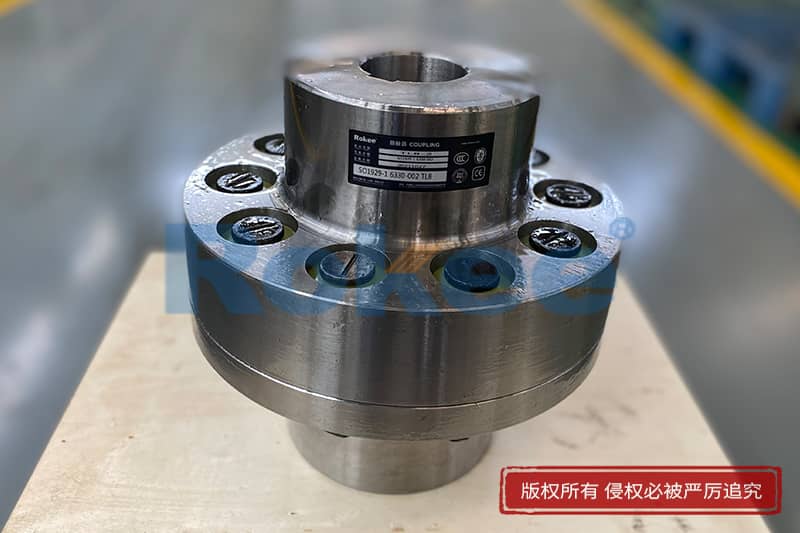
Rokee® is Pin Bush Flexible Coupling Supplier from China, Support Customization and Export, due to excellent quality, complete technical services and superior cost performance, Rokee® Pin Bush Flexible Coupling have been serving more than 60 countries and regions in the world, effectively operating in many corners of the world.
Pin Bush Flexible Coupling is simple and clever in design and has wide applicability. Pin Bush Flexible Coupling uses the pin with elastic sleeve to connect two semi-couplings with pin holes to realize torque transmission and larger angular compensation. At the same time, Pin Bush Flexible Coupling has good shock absorption and buffering performance, which can be used in high-speed occasions without lubrication and requiring easy pin sleeve replacement.
-
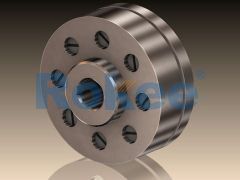
LT/TL Elastic Sleeve Pin Coupling
LT/TL Elastic Sleeve Pin Coupling is the basic form of this series of couplings. -
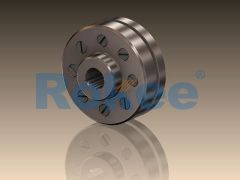
LTZ/TLL Elastic Sleeve Pin Coupling
LTZ/TLL Elastic Sleeve Pin Coupling is designed with a brake wheel, suitable for situations where braking is required.
In the realm of mechanical power transmission, couplings play an indispensable role as components that connect two rotating shafts, enabling the transfer of torque while accommodating various forms of misalignment. Among the diverse range of couplings available, the pin bush flexible coupling stands out for its simplicity, reliability, and cost-effectiveness, making it a preferred choice in numerous industrial settings.
To understand the significance of pin bush flexible couplings, it is first essential to grasp the fundamental requirements of power transmission components. In any rotating machinery, shafts are prone to misalignment due to factors such as manufacturing tolerances, installation errors, thermal expansion, and structural deflection. A coupling must not only transmit torque efficiently but also compensate for these misalignments to prevent excessive stress on shafts, bearings, and other related components. Rigid couplings, while simple, fail to address misalignment issues, leading to premature wear and potential system failure. Flexible couplings, by contrast, are designed with inherent flexibility to accommodate angular, parallel, and axial misalignments, ensuring smooth and reliable operation. The pin bush flexible coupling is a classic example of this category, leveraging a straightforward yet effective design to meet the demands of industrial power transmission.
Design Characteristics of Pin Bush Flexible Couplings
The pin bush flexible coupling features a relatively simple construction, consisting of four main components: two flanges, a set of pins, bushes (also known as sleeves or rubber elements), and sometimes a cover or guard. Each component is meticulously designed to work in harmony, ensuring optimal performance and durability.
The two flanges are the primary connecting elements, each attached to the end of the two shafts that need to be coupled. Typically made from materials such as cast iron, steel, or aluminum alloy, the flanges are engineered to withstand the torque and loads associated with the specific application. The choice of material depends on factors such as the magnitude of the transmitted torque, operating speed, and environmental conditions. For instance, cast iron flanges are widely used in general industrial applications due to their high strength-to-weight ratio and cost-effectiveness, while steel flanges are preferred for high-torque applications where greater structural integrity is required. Aluminum alloy flanges, on the other hand, are suitable for lightweight and high-speed applications, offering reduced inertia and improved rotational efficiency.
The pins are cylindrical components that are fixed to one of the flanges, usually through press-fitting or threading. These pins serve as the torque-transmitting elements, extending outward from the flange and engaging with the bushes. The number and size of the pins are determined by the torque requirements of the application; higher torque applications demand more pins or larger-diameter pins to distribute the load evenly. The pins are typically made from high-strength steel to resist shear forces and wear, ensuring long-term reliability.
The bushes are the flexible elements of the coupling, fitting over the pins and seating in corresponding holes in the second flange. These bushes are usually made from elastomeric materials such as natural rubber, synthetic rubber (e.g., neoprene, nitrile), or polyurethane. The choice of elastomer material is critical, as it directly impacts the coupling’s flexibility, damping properties, temperature resistance, and chemical compatibility. For example, natural rubber bushes offer excellent flexibility and damping but have limited resistance to oil and high temperatures, making them suitable for general-purpose applications. Nitrile rubber bushes, by contrast, exhibit superior oil resistance, making them ideal for applications involving lubricants or hydraulic fluids. Polyurethane bushes provide higher wear resistance and better load-carrying capacity than rubber, making them suitable for heavy-duty applications with high operating speeds.
In some designs, a cover or guard is installed around the coupling to protect the moving components from dust, debris, and external impacts. This cover also serves as a safety feature, preventing accidental contact with rotating parts, which is particularly important in industrial environments where personnel safety is a top priority.
Working Principle of Pin Bush Flexible Couplings
The working principle of a pin bush flexible coupling is based on the transfer of torque through the interaction between the pins and bushes, while the flexible bushes accommodate misalignments between the two shafts. When the driving shaft rotates, it imparts rotational motion to the flange attached to it, which in turn causes the pins fixed to this flange to rotate. The pins engage with the bushes, which are seated in the flange of the driven shaft, thereby transmitting torque to the driven shaft.
The key to the coupling’s flexibility lies in the elastomeric bushes. When the shafts are misaligned (angular, parallel, or axial), the bushes deform elastically to absorb the misalignment. Angular misalignment occurs when the axes of the two shafts are not collinear but intersect at a point, while parallel misalignment occurs when the axes are parallel but offset from each other. Axial misalignment, on the other hand, occurs when the shafts move along their axial direction relative to each other. The elastomeric bushes compress and stretch to compensate for these misalignments, ensuring that the torque is transmitted smoothly without imposing excessive bending or axial forces on the shafts and bearings.
Additionally, the elastomeric bushes provide damping properties, which help to reduce vibration and noise in the system. Vibrations are common in rotating machinery due to imbalances, uneven load distribution, or external disturbances. The bushes absorb these vibrations, preventing them from being transmitted to other parts of the machinery, which reduces wear and tear and improves the overall stability and performance of the system.
Key Advantages of Pin Bush Flexible Couplings
Pin bush flexible couplings offer a range of advantages that make them suitable for a wide variety of industrial applications. These advantages include simplicity of design, ease of installation and maintenance, cost-effectiveness, excellent misalignment compensation, vibration damping, and high reliability.
One of the most significant advantages of pin bush flexible couplings is their simplicity of design. Unlike complex flexible couplings such as gear couplings or diaphragm couplings, pin bush couplings have a minimal number of components, which makes them easy to manufacture, assemble, and maintain. This simplicity also contributes to their cost-effectiveness, as they are typically less expensive than other types of flexible couplings, making them an attractive option for budget-conscious applications.
Ease of installation is another key benefit. Pin bush couplings do not require precise alignment during installation, as the flexible bushes can accommodate moderate misalignments. This reduces the time and labor required for installation, making them ideal for applications where quick and straightforward assembly is essential. Additionally, maintenance is relatively simple; the main maintenance task involves inspecting the bushes for wear and replacing them when necessary. The pins and flanges are generally durable and require minimal maintenance, further reducing the overall maintenance cost and downtime of the system.
Excellent misalignment compensation is a critical advantage of pin bush flexible couplings. They can accommodate angular misalignments up to 1-2 degrees, parallel misalignments up to 0.5-1 mm, and small axial misalignments, depending on the design and size of the coupling. This ability to compensate for misalignments helps to protect the shafts, bearings, and other components from excessive stress, extending their service life and reducing the risk of unexpected failures.
The vibration damping properties of the elastomeric bushes are also highly beneficial. By absorbing vibrations and reducing noise, pin bush couplings improve the comfort and safety of the working environment, while also minimizing the impact of vibrations on the machinery. This is particularly important in applications such as pumps, compressors, and motors, where vibrations can cause significant damage over time.
Finally, pin bush flexible couplings are known for their high reliability and long service life when properly maintained. The robust design of the flanges and pins, combined with the durability of the elastomeric bushes (when selected appropriately for the application), ensures that the coupling can withstand the rigors of industrial operation, providing consistent performance over an extended period.
Industrial Applications of Pin Bush Flexible Couplings
Due to their numerous advantages, pin bush flexible couplings find applications in a wide range of industries, including manufacturing, automotive, aerospace, marine, mining, and agriculture. They are used in various types of rotating machinery, where the transfer of torque and compensation for misalignment are essential.
In the manufacturing industry, pin bush flexible couplings are commonly used in conveyor systems, pumps, compressors, fans, and electric motors. Conveyor systems, which are used to transport materials in factories and warehouses, rely on couplings to connect the motor to the conveyor belt drive shaft. The flexibility of the pin bush coupling helps to accommodate misalignments caused by the long length of the conveyor and the uneven load distribution, ensuring smooth and efficient operation. Pumps and compressors also benefit from the vibration damping properties of these couplings, which reduce wear on the pump impellers and compressor rotors, extending their service life.
In the automotive industry, pin bush flexible couplings are used in various components, such as drive shafts, transmissions, and engines. They help to transmit torque between different parts of the vehicle’s powertrain while accommodating misalignments caused by the vehicle’s suspension movement and thermal expansion of the components. The vibration damping properties also help to reduce noise and improve the overall comfort of the vehicle.
The aerospace industry uses pin bush flexible couplings in aircraft engines, auxiliary power units (APUs), and other rotating machinery. In these applications, the coupling’s lightweight design (when made from aluminum alloy) and high reliability are critical, as they help to reduce the overall weight of the aircraft and ensure safe and efficient operation. The ability to accommodate small misalignments is also important, as the high operating speeds of aircraft engines can amplify the effects of even minor misalignments.
In the marine industry, pin bush flexible couplings are used in ship propulsion systems, pumps, and generators. The harsh marine environment, which includes saltwater, high humidity, and extreme temperatures, requires couplings that are durable and resistant to corrosion. Flanges made from corrosion-resistant materials such as stainless steel, combined with bushes made from chemical-resistant elastomers, make pin bush couplings suitable for these applications. They help to transmit torque from the ship’s engine to the propeller while accommodating misalignments caused by the ship’s hull flexing and the movement of the propeller shaft.
The mining and agriculture industries also rely on pin bush flexible couplings for various applications. In mining, they are used in crushers, conveyors, and pumps, which operate in harsh conditions with high levels of dust, vibration, and heavy loads. The robust design of the coupling helps to withstand these harsh conditions, while the vibration damping properties reduce wear on the machinery. In agriculture, they are used in tractors, harvesters, and other farm equipment, where they help to transmit torque between the engine and the various attachments (e.g., plows, harrows), accommodating misalignments caused by the uneven terrain and the movement of the equipment.
Selection and Maintenance Considerations
Selecting the right pin bush flexible coupling for a specific application is crucial to ensure optimal performance and reliability. Several factors need to be considered during the selection process, including the transmitted torque, operating speed, misalignment type and magnitude, environmental conditions, and shaft diameter.
The transmitted torque is the most important factor, as it determines the size and number of pins required. The coupling must be capable of transmitting the maximum torque generated by the driving shaft without failure. It is recommended to select a coupling with a torque rating that is slightly higher than the maximum operating torque to provide a safety margin.
Operating speed is another critical factor. The coupling’s design must be able to withstand the centrifugal forces generated at high speeds. Higher operating speeds require couplings with lighter components (e.g., aluminum alloy flanges) and balanced designs to prevent vibration and premature wear. The maximum allowable speed of the coupling is typically specified by the manufacturer, and it is important to ensure that the operating speed does not exceed this limit.
The type and magnitude of misalignment must also be considered. Different applications have different misalignment requirements, and the coupling must be selected to accommodate these. For example, applications with significant angular misalignment require couplings with more flexible bushes, while applications with parallel misalignment require couplings with a larger offset capacity. The manufacturer’s specifications should be consulted to determine the maximum misalignment that the coupling can accommodate.
Environmental conditions, such as temperature, humidity, chemical exposure, and dust levels, also influence the selection of the coupling components. For high-temperature applications, bushes made from heat-resistant elastomers (e.g., silicone rubber) should be used. For applications involving chemical exposure, bushes made from chemical-resistant materials (e.g., nitrile rubber, polyurethane) are preferred. Flanges made from corrosion-resistant materials should be used in humid or corrosive environments.
Shaft diameter is another important consideration, as the coupling’s flanges must be compatible with the diameter of the shafts being connected. The manufacturer typically offers couplings in a range of sizes to accommodate different shaft diameters, and it is important to select the correct size to ensure a secure fit.
Proper maintenance is essential to ensure the long service life and reliable performance of pin bush flexible couplings. The main maintenance tasks include regular inspection, lubrication (if required), and replacement of worn components.
Regular inspection involves checking the bushes for signs of wear, cracking, or degradation. The pins and flanges should also be inspected for signs of corrosion, deformation, or damage. Inspections should be conducted at regular intervals, depending on the operating conditions and the manufacturer’s recommendations. In harsh environments, more frequent inspections may be necessary.
Lubrication is not always required for pin bush flexible couplings, as the elastomeric bushes are self-lubricating in most cases. However, if the coupling is used in applications with high temperatures or heavy loads, lubrication may be necessary to reduce friction and wear. The type and frequency of lubrication should be in accordance with the manufacturer’s specifications.
When the bushes show signs of significant wear or damage, they should be replaced promptly. Replacing the bushes is a relatively simple task that can be performed without removing the entire coupling from the shafts, which minimizes downtime. It is important to use replacement bushes that are compatible with the original coupling design and material to ensure optimal performance.
Conclusion
The pin bush flexible coupling is a versatile and reliable component that plays a crucial role in mechanical power transmission. Its simple design, ease of installation and maintenance, cost-effectiveness, and ability to accommodate misalignments and dampen vibrations make it a preferred choice in a wide range of industrial applications. From manufacturing and automotive to aerospace and marine industries, pin bush flexible couplings contribute to the smooth and efficient operation of rotating machinery, protecting components from excessive stress and extending their service life.
When selecting a pin bush flexible coupling, it is important to consider factors such as transmitted torque, operating speed, misalignment, environmental conditions, and shaft diameter to ensure that the coupling is suitable for the specific application. Proper maintenance, including regular inspection and timely replacement of worn components, is also essential to maximize the coupling’s service life and reliability.
As industrial machinery continues to evolve, the demand for efficient and reliable power transmission components will remain high. The pin bush flexible coupling, with its proven performance and adaptability, is likely to continue to be a key component in modern mechanical systems, contributing to the productivity and efficiency of various industries around the world.
« Pin Bush Flexible Coupling » Post Date: 2023/10/20
URL: https://www.rokeecoupling.com/en/tags/pin-bush-flexible-coupling.html
- 2023-11-14Purpose of Pin Bush Flexible Couplings
- 2023-11-14Pin Bush Flexible Couplings Manufacturing Enterprise
- 2023-11-14Pin Bush Flexible Couplings For Sale
- 2023-11-14Pin Bush Flexible Coupling Structural Diagram
- 2023-11-14Pin Bush Flexible Coupling Size Chart
- 2023-11-14Pin Bush Flexible Coupling Price
- 2023-11-14Pin Bush Flexible Coupling Make
- 2023-11-14Pin Bush Flexible Coupling Application
- 2023-11-14Pin Bush Flexible Coupling Advantages
- 2023-11-14Disadvantages of Pin Bush Flexible Coupling
- 2023-11-10Pin Bush Flexible Couplings Supply
- 2023-11-10Pin Bush Flexible Coupling Parts
- 2023-11-10Pin Bush Flexible Coupling Function
- 2023-11-09Customized Pin Bush Flexible Coupling
- 2023-11-09Pin Bush Flexible Coupling Company
- 2023-11-09Pin Bush Flexible Coupling Design
- 2023-11-08Pin Bush Flexible Couplings Supplier
- 2023-11-08Pin Bush Flexible Coupling Specifications
- 2023-11-08Pin Bush Flexible Coupling Models
- 2023-11-08Pin Bush Flexible Couplings Wholesale
- 2023-11-08Pin Bush Flexible Couplings Factory
- 2023-11-08Pin Bush Flexible Coupling Catalogue
- 2023-11-08Pin Bush Flexible Coupling Drawing
- 2023-11-08Pin Bush Flexible Coupling Manufacturer
- 2023-11-08Types of Pin Bush Flexible Couplings