Mill Duty Shafts
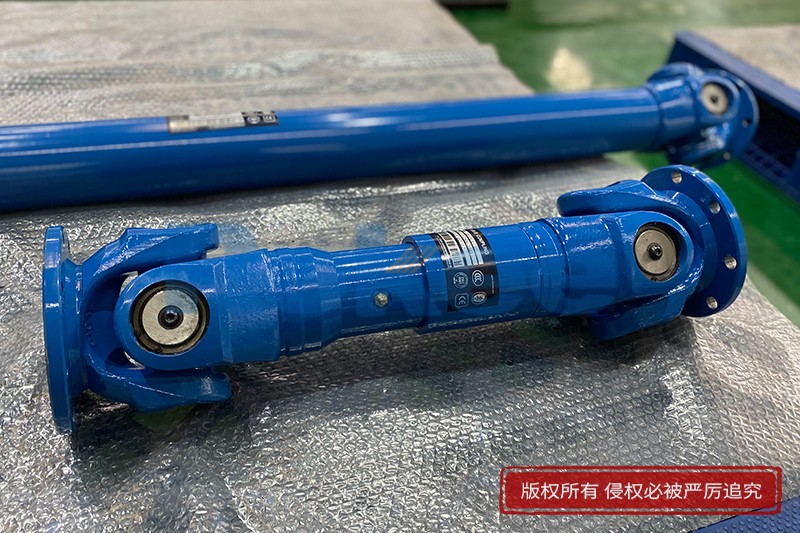
Rokee® is Mill Duty Shafts Supplier from China, Support Customization and Export, due to excellent quality, complete technical services and superior cost performance, Rokee® Mill Duty Shafts have been serving more than 60 countries and regions in the world, effectively operating in many corners of the world.
In the realm of heavy industrial machinery, the performance and reliability of components directly determine operational efficiency, safety, and long-term cost-effectiveness. Among these critical components, the mill duty shaft stands out as a foundational element in equipment designed to handle high loads, extreme torques, and harsh operating conditions. From mining and cement production to pulp and paper manufacturing, mill duty shafts play an indispensable role in driving grinding mills, crushers, and other heavy-duty processing equipment.
To begin with, it is essential to define what distinguishes a mill duty shaft from standard shafts. A mill duty shaft is a specialized rotating component engineered to withstand the rigorous demands of heavy-duty milling and crushing applications. Unlike standard shafts used in light or medium-duty machinery, mill duty shafts must accommodate exceptional levels of torque, radial and axial loads, and cyclic stresses that occur during continuous, high-intensity operation. These shafts serve as the primary link between the power source (such as electric motors or hydraulic drives) and the working elements of the machinery (such as mill liners, crusher jaws, or agitators), transferring rotational energy efficiently while maintaining structural integrity. The unique operating environment of mill duty applications—characterized by vibration, shock loads, abrasive materials, and varying temperature conditions—requires a design that prioritizes strength, durability, and resistance to wear and fatigue.
The core design considerations for mill duty shafts are multifaceted, as engineers must balance structural performance with operational efficiency. One of the primary design parameters is torque capacity, which is determined by the power requirements of the machinery and the nature of the material being processed. For example, grinding hard minerals in a ball mill requires a shaft with significantly higher torque capacity than processing softer materials in a rod mill. To ensure adequate torque handling, engineers calculate the shear stress and bending moments acting on the shaft, using finite element analysis (FEA) to simulate real-world operating conditions and identify potential stress concentrations. Stress concentrations are a critical concern because they can lead to fatigue failure over time, especially in areas such as keyways, shoulders, and splines—common features in mill duty shafts that facilitate the attachment of gears, pulleys, or other components.
Another key design consideration is the shaft’s geometry. The diameter of the shaft is directly related to its load-bearing capacity; a larger diameter increases strength but also adds weight and inertia, which can impact the efficiency of the drive system. Engineers often employ stepped diameters in mill duty shafts, where larger sections are used in high-stress areas and smaller sections in low-stress regions, optimizing both strength and weight. Additionally, the length of the shaft must be carefully matched to the dimensions of the machinery, ensuring proper alignment with other components such as bearings and couplings. Misalignment is a major cause of premature shaft failure, as it creates uneven loads and increases friction, leading to excessive wear on bearings and the shaft itself. To mitigate this risk, mill duty shafts are designed with precise tolerances for concentricity and straightness, ensuring smooth rotation and uniform load distribution.
Material selection is a critical factor in determining the performance and longevity of mill duty shafts. The ideal material must possess a combination of high tensile strength, ductility, hardness, and resistance to fatigue, wear, and corrosion. Carbon steel and alloy steel are the most commonly used materials for mill duty shafts, each offering distinct advantages depending on the application. Carbon steel, such as A36 or 1045, is cost-effective and provides good strength and ductility, making it suitable for medium-duty applications with moderate loads and minimal abrasive conditions. However, for heavy-duty applications requiring higher strength and wear resistance, alloy steels—such as 4140, 4340, or 8620—are preferred. These alloys contain elements such as chromium, molybdenum, and nickel, which enhance hardenability, toughness, and resistance to fatigue. For example, 4140 alloy steel is widely used in mill duty shafts due to its excellent balance of strength, ductility, and wear resistance, as well as its ability to be heat-treated to achieve specific mechanical properties.
In applications where corrosion or extreme abrasion is a concern—such as in wet mining environments or when processing corrosive materials—specialized materials or surface treatments may be required. Stainless steel, such as 316 or 17-4 PH, offers superior corrosion resistance but is more costly than carbon or alloy steel. Alternatively, surface treatments such as carburizing, nitriding, or hard chrome plating can be applied to carbon or alloy steel shafts to enhance surface hardness and wear resistance. Carburizing involves heating the shaft in a carbon-rich atmosphere, allowing carbon to diffuse into the surface layer, which is then heat-treated to form a hard, wear-resistant case while maintaining a tough core. Nitriding, on the other hand, uses a nitrogen-rich atmosphere to create a hard surface layer, providing excellent wear and corrosion resistance without significant distortion of the shaft. These surface treatments are particularly beneficial for mill duty shafts that come into contact with abrasive materials or operate in corrosive environments, extending their service life and reducing maintenance costs.
The manufacturing process of mill duty shafts is a complex, multi-step operation that requires precision and strict quality control to ensure the final product meets design specifications. The process typically begins with material selection and procurement, where raw steel bars are inspected for chemical composition and mechanical properties to ensure they meet the required standards. The next step is forging, a process that involves heating the steel bar to a high temperature and shaping it into the approximate form of the shaft using compressive forces. Forging improves the mechanical properties of the steel by refining the grain structure, eliminating internal defects, and aligning the grain flow with the direction of stress, resulting in a stronger, more fatigue-resistant shaft. After forging, the shaft is subjected to heat treatment, which involves heating and cooling the metal in a controlled manner to modify its microstructure and achieve the desired hardness, strength, and ductility. The specific heat treatment process—such as quenching and tempering, annealing, or normalizing—depends on the material and the required mechanical properties.
Following heat treatment, the shaft undergoes machining operations to achieve the final dimensions and surface finish. Machining processes for mill duty shafts include turning, milling, drilling, and grinding. Turning is used to shape the outer diameter of the shaft, creating the stepped sections and smooth surfaces required for bearing fits and component attachments. Milling is employed to create keyways, splines, and other features that allow the shaft to transmit torque to gears, pulleys, or other components. Drilling may be used to create lubrication holes or other internal features, while grinding is the final machining step, ensuring precise tolerances, smooth surface finishes, and concentricity. The surface finish of the shaft is critical, as a rough surface can increase friction, accelerate wear, and promote fatigue failure. Grinding achieves a smooth, uniform surface that reduces friction and improves the performance of bearings and seals.
Quality control is an integral part of the manufacturing process for mill duty shafts, with inspections conducted at every stage to ensure compliance with design specifications. Chemical analysis and mechanical testing (such as tensile testing, hardness testing, and impact testing) are performed on the raw material and heat-treated components to verify material properties. Dimensional inspections using tools such as calipers, micrometers, and coordinate measuring machines (CMMs) ensure that the shaft meets precise tolerances for diameter, length, and feature positions. Non-destructive testing (NDT) methods, such as ultrasonic testing, magnetic particle testing, and liquid penetrant testing, are used to detect internal and surface defects such as cracks, inclusions, or porosity that could compromise the structural integrity of the shaft. These rigorous quality control measures ensure that mill duty shafts are reliable and capable of withstanding the harsh operating conditions they are designed for.
Mill duty shafts find applications in a wide range of heavy industries, each with unique operating requirements and challenges. One of the most common applications is in grinding mills, which are used in mining, cement, and mineral processing to reduce the size of raw materials. Ball mills, rod mills, and SAG (semi-autogenous grinding) mills all rely on mill duty shafts to drive the rotating drum, which contains grinding media (such as balls or rods) that crush and grind the material. In these applications, the shaft must withstand extreme torque, radial loads from the weight of the drum and grinding media, and axial loads from the material being fed into and discharged from the mill. Additionally, the shaft is exposed to vibration and shock loads caused by the impact of the grinding media, requiring high fatigue resistance.
Another major application of mill duty shafts is in crushing equipment, such as jaw crushers, cone crushers, and impact crushers. These machines are used to break down large rocks and ores into smaller particles for further processing. The mill duty shaft in a crusher transmits torque from the drive system to the crushing elements (such as the jaw plates or cone mantle), while withstanding the high impact loads generated during the crushing process. In jaw crushers, for example, the shaft supports the eccentric mechanism that drives the moving jaw, creating the compressive force needed to crush the material. The shaft must be strong enough to handle the cyclic impact loads and resist bending and fatigue over long periods of continuous operation.
Mill duty shafts are also used in pulp and paper manufacturing, particularly in machinery such as refiners and beaters, which process wood pulp to achieve the desired fiber properties. In these applications, the shaft drives the rotating discs or blades that refine the pulp, while withstanding the high torque and axial loads associated with the refining process. Additionally, the shaft may be exposed to moisture and corrosive chemicals, requiring corrosion-resistant materials or surface treatments. Other applications include cement kilns, where mill duty shafts drive the rotating kiln shell, and power generation equipment, such as coal pulverizers, which rely on mill duty shafts to crush coal into a fine powder for combustion.
Proper maintenance of mill duty shafts is essential to ensure their longevity and prevent unplanned downtime, which can be costly in heavy industrial operations. One of the key maintenance practices is regular inspection, which involves checking the shaft for signs of wear, corrosion, or damage. Visual inspections can detect surface defects such as cracks, scratches, or discoloration, while dimensional inspections can identify changes in diameter or straightness that may indicate bending or wear. Vibration analysis is another valuable tool for monitoring the condition of mill duty shafts, as excessive vibration can indicate misalignment, bearing failure, or shaft imbalance. By monitoring vibration levels, maintenance personnel can identify potential issues before they escalate into major failures.
Lubrication is another critical maintenance task for mill duty shafts. Proper lubrication of bearings and other rotating components reduces friction, minimizes wear, and dissipates heat, extending the life of the shaft and associated components. The type of lubricant used depends on the operating conditions, such as temperature, load, and speed, and should be selected to provide adequate lubrication and protection against corrosion. Regular lubricant analysis can help monitor the condition of the lubricant and detect contaminants such as metal particles, which may indicate excessive wear of the shaft or bearings.
In the event of wear or damage, timely repair or replacement of mill duty shafts is necessary to prevent further damage to the machinery. Repair options may include welding, grinding, or re-machining, depending on the extent and location of the damage. However, welding must be performed carefully to avoid altering the material properties of the shaft, and post-weld heat treatment may be required to restore the shaft’s mechanical properties. In cases where the damage is severe, replacement of the shaft is the safest and most cost-effective option. It is important to use replacement shafts that meet the original design specifications to ensure compatibility and performance.
Looking to the future, advancements in materials science and manufacturing technology are likely to further improve the performance and reliability of mill duty shafts. The development of high-strength, lightweight alloys may allow for the design of smaller, more efficient shafts that can withstand higher loads without increasing weight. Additive manufacturing (3D printing) technology also holds promise for the production of mill duty shafts, enabling the creation of complex geometries that optimize stress distribution and reduce weight. Additionally, advancements in non-destructive testing and condition monitoring technologies will allow for more accurate and timely detection of potential issues, further enhancing the reliability and longevity of mill duty shafts.
In conclusion, mill duty shafts are critical components in heavy industrial machinery, providing the strength and reliability needed to withstand the rigorous demands of high-load, high-torque applications. Their design, material selection, and manufacturing processes are tailored to meet the unique challenges of each application, ensuring optimal performance and longevity. From mining and cement production to pulp and paper manufacturing, mill duty shafts play an indispensable role in driving industrial operations, and proper maintenance is essential to maximize their service life and minimize downtime. As industrial technology continues to evolve, mill duty shafts will remain a key focus of innovation, enabling more efficient, reliable, and sustainable heavy-duty machinery.
« Mill Duty Shafts » Post Date: 2023/10/20
URL: https://www.rokeecoupling.com/en/tags/mill-duty-shafts.html