Jaw Flex Couplings
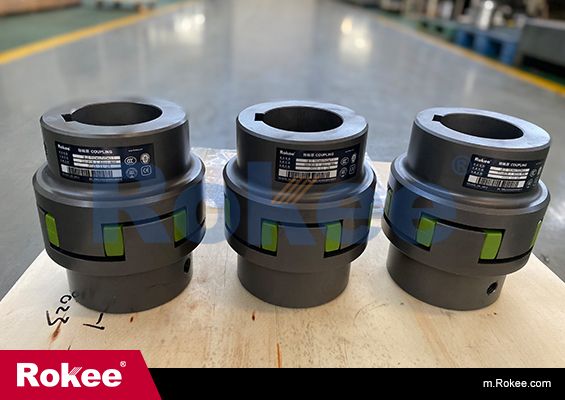
Rokee® is Jaw Flex Couplings Supplier from China, Support Customization and Export, due to excellent quality, complete technical services and superior cost performance, Rokee® Jaw Flex Couplings have been serving more than 60 countries and regions in the world, effectively operating in many corners of the world.
The Jaw Flex Coupling is composed of two semi-couplings with convex claws and a plum-shaped flexible non-metallic element whose hardness can be adjusted. By embedding the plum-shaped flexible element into the two semi-couplings to realize the connection, Jaw Flex Coupling has the characteristics of compensating the relative displacement of the two axes, reducing vibration and buffering, simple structure and easy maintenance without lubrication.
-
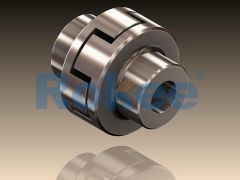
LM Plum-shaped Flexible Coupling
LM Plum-shaped Flexible Coupling is the basic form of this series of couplings. -
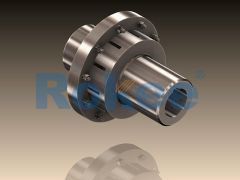
LMD Plum-shaped Flexible Coupling
LMD Plum-shaped Flexible Coupling is added with transition connection, which eliminates the need of axially moving the semi-coupling when replacing the elastomer. -
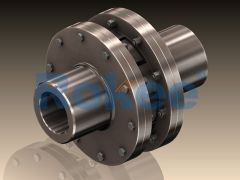
LMS Plum-shaped Flexible Coupling
LMS Plum-shaped Flexible Coupling adopts double transition flange connection, which eliminates the need of axially moving the semi-coupling when replacing the elastomer. -
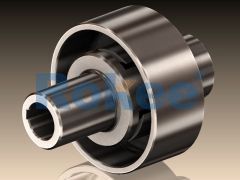
LMZ-I Plum-shaped Flexible Coupling
LMZ-I Plum-shaped Flexible Coupling adopts split brake wheel design, suitable for situations where braking is required. -
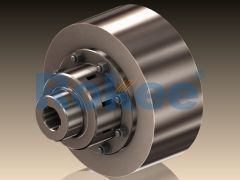
LMZ-II Plum-shaped Flexible Coupling
LMZ-II Plum-shaped Flexible Coupling adopts integral brake wheel design, suitable for situations where braking is required. -
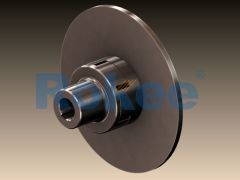
LMPK Plum-shaped Flexible Coupling
LMPK Plum-shaped Flexible Coupling adopts split brake disc design, suitable for situations where braking is required and eliminating the need of axially moving the semi-coupling when replacing the elastomer.
In the realm of mechanical power transmission, couplings play an indispensable role as the critical link between rotating shafts, ensuring the smooth transfer of torque while accommodating various forms of misalignment. Among the diverse range of coupling types available, jaw flex couplings have emerged as a preferred choice for countless industrial and commercial applications due to their unique combination of simplicity, reliability, and cost-effectiveness. Unlike rigid couplings that demand precise alignment and offer no flexibility, jaw flex couplings are engineered to absorb shocks, dampen vibrations, and compensate for angular, parallel, and axial misalignments—attributes that make them invaluable in systems where perfect shaft alignment is difficult to achieve or maintain.
Understanding the Basic Design and Components of Jaw Flex Couplings
Jaw flex couplings feature a relatively straightforward yet ingenious design that consists of three core components: two jaw-shaped hubs and an elastomeric insert (often referred to as a spider or element). Each hub is typically machined with a series of equally spaced, curved jaws that extend radially inward. The elastomeric insert, which is designed to match the contour of the jaws, fits snugly between the two hubs, creating a secure connection that transmits torque while allowing for a degree of flexibility. The number and size of the jaws can vary depending on the coupling’s intended torque capacity and application requirements, with larger couplings often featuring more jaws to distribute the load evenly and enhance stability.
The hubs are designed to attach to the driven and driving shafts, usually via set screws, keyways, or compression fittings. Set screw attachments are common in light to medium-duty applications, offering ease of installation and removal. Keyway connections, on the other hand, provide a more secure fit for higher torque applications by utilizing a rectangular slot (keyway) cut into both the shaft and the hub, with a metal key inserted to prevent relative rotation between the two components. Compression fittings, which use bolts to clamp the hub tightly around the shaft, are ideal for applications where shaft damage must be minimized or where frequent disassembly is not required.
The elastomeric insert is the heart of the jaw flex coupling’s flexibility. It is typically made from materials such as natural rubber, nitrile rubber, neoprene, or polyurethane, each offering distinct properties tailored to specific operating conditions. The insert’s shape—often a star or cross configuration—ensures that it engages fully with the jaws of both hubs, transmitting torque through frictional and mechanical contact. Additionally, the insert acts as a buffer, absorbing shock loads and vibrations that would otherwise be transmitted to the shafts, bearings, and other components of the power transmission system.
Working Principles: How Jaw Flex Couplings Transmit Torque and Compensate for Misalignment
The operating principle of jaw flex couplings revolves around the interaction between the rigid hubs and the flexible elastomeric insert. When torque is applied to the driving shaft, it is transferred to the corresponding hub, which in turn exerts force on the elastomeric insert via its jaws. The insert then transmits this force to the jaws of the driven hub, causing the driven shaft to rotate. This torque transmission process is efficient because the insert maintains a consistent contact with the hubs, minimizing power loss.
One of the key advantages of jaw flex couplings is their ability to compensate for three types of shaft misalignment: angular, parallel, and axial. Angular misalignment occurs when the axes of the two shafts intersect at an angle, rather than being colinear. The elastomeric insert accommodates this misalignment by flexing at the points of contact with the jaws, allowing the hubs to rotate at an angle relative to each other without binding. Parallel misalignment, by contrast, happens when the shafts are parallel but offset from each other. In this case, the insert’s flexibility enables the hubs to move laterally relative to one another, bridging the gap between the offset shafts.
Axial misalignment, which involves the shafts moving toward or away from each other along their axes, is also handled by the elastomeric insert. The insert’s material properties allow it to compress or stretch slightly, absorbing the axial movement and preventing excessive forces from being applied to the shafts and bearings. It is important to note, however, that jaw flex couplings have limits to the amount of misalignment they can accommodate. Exceeding these limits can lead to premature wear of the insert, increased vibration, and reduced coupling lifespan. Manufacturers typically specify maximum allowable misalignments for each coupling model, and these should be strictly adhered to during installation and operation.
Another critical function of jaw flex couplings is vibration damping. In rotating machinery, vibrations are often generated by imbalances in the shafts, gears, or other components. These vibrations can cause noise, accelerate component wear, and even lead to structural damage if not mitigated. The elastomeric insert in jaw flex couplings acts as a vibration absorber, converting the kinetic energy of vibrations into heat, which is then dissipated. This damping effect not only improves the smoothness of operation but also extends the lifespan of bearings, seals, and other sensitive components in the system.
Material Selection for Jaw Flex Couplings: Factors and Considerations
The performance and durability of jaw flex couplings are heavily influenced by the materials used for their components. The selection of hub and insert materials must be based on the specific requirements of the application, including torque capacity, operating temperature, environmental conditions, and chemical exposure. Understanding the properties of different materials is essential for ensuring optimal coupling performance and longevity.
Hub Materials
Hubs are typically manufactured from metallic materials due to their need for high strength and rigidity to transmit torque effectively. The most common materials used for hubs include:
1. Carbon Steel: Carbon steel is a popular choice for hub manufacturing due to its high strength, durability, and cost-effectiveness. It is suitable for a wide range of applications, including light to heavy-duty industrial machinery. Carbon steel hubs can be heat-treated to enhance their hardness and wear resistance, making them ideal for high-torque applications.
2. Stainless Steel: Stainless steel is preferred for applications where corrosion resistance is a critical requirement, such as in food processing, pharmaceutical, or marine environments. It offers excellent resistance to rust, moisture, and chemical exposure, but is more expensive than carbon steel. Stainless steel hubs are also suitable for high-temperature applications, as they maintain their strength and integrity at elevated temperatures.
3. Aluminum: Aluminum hubs are lightweight and offer good thermal conductivity, making them ideal for applications where weight reduction is important, such as in automotive or aerospace systems. They are also resistant to corrosion in many environments, although not as robust as stainless steel. Aluminum is less strong than steel, so it is typically used for light to medium-duty applications with lower torque requirements.
4. Cast Iron: Cast iron hubs are known for their high rigidity and wear resistance, making them suitable for heavy-duty applications with high torque and vibration levels. They are also cost-effective and easy to machine, but are relatively brittle and can crack under severe shock loads. Cast iron is commonly used in industrial machinery such as pumps, compressors, and conveyors.
Elastomeric Insert Materials
The choice of insert material is critical, as it directly affects the coupling’s flexibility, vibration damping capacity, temperature resistance, and chemical compatibility. The most commonly used insert materials include:
1. Natural Rubber: Natural rubber offers excellent flexibility and vibration damping properties, making it suitable for low to medium-temperature applications (typically between -20°C and 80°C). It has good resistance to wear and tear but is susceptible to degradation from oil, ozone, and UV radiation. Natural rubber inserts are commonly used in general industrial applications where exposure to harsh chemicals is minimal.
2. Nitrile Rubber (NBR): Nitrile rubber is a synthetic rubber that offers excellent resistance to oil, fuel, and grease, making it ideal for applications in automotive, hydraulic, and industrial systems where oil exposure is common. It has good flexibility and vibration damping capabilities and can operate at temperatures between -30°C and 100°C. Nitrile rubber is also resistant to abrasion, making it suitable for high-wear environments.
3. Neoprene (Chloroprene Rubber): Neoprene is a versatile synthetic rubber that offers good resistance to ozone, UV radiation, moisture, and a wide range of chemicals. It has excellent flexibility and vibration damping properties and can operate at temperatures between -40°C and 120°C. Neoprene inserts are commonly used in outdoor applications, marine environments, and systems exposed to harsh chemicals.
4. Polyurethane: Polyurethane inserts are known for their high strength, durability, and resistance to abrasion, oil, and chemicals. They offer good vibration damping properties and can operate at temperatures between -30°C and 80°C. Polyurethane is harder than rubber, which makes it suitable for high-torque applications but reduces its flexibility slightly. It is commonly used in industrial machinery, robotics, and automotive systems.
Applications of Jaw Flex Couplings: Across Industries and Sectors
Jaw flex couplings are widely used across a diverse range of industries and applications due to their versatility, reliability, and cost-effectiveness. Their ability to accommodate misalignment, dampen vibrations, and transmit torque efficiently makes them suitable for both light-duty and heavy-duty applications. Below are some of the key industries and applications where jaw flex couplings are commonly employed:
Industrial Machinery
In industrial settings, jaw flex couplings are a staple in a wide range of machinery, including pumps, compressors, fans, blowers, and conveyors. Pumps, for example, often experience shaft misalignment due to thermal expansion, installation errors, or wear of mounting components. Jaw flex couplings accommodate this misalignment, ensuring smooth operation and preventing damage to the pump’s shaft and bearings. Similarly, compressors and fans generate vibrations during operation, which are dampened by the coupling’s elastomeric insert, reducing noise and extending component lifespan.
Automotive and Transportation
The automotive industry relies on jaw flex couplings for various applications, such as connecting the engine to the transmission, power steering pumps, and water pumps. In these applications, the coupling must transmit high torque while accommodating misalignment caused by engine vibration and thermal expansion. The vibration damping properties of jaw flex couplings also help improve ride comfort by reducing the transfer of engine vibrations to the vehicle’s chassis. Additionally, jaw flex couplings are used in commercial vehicles such as trucks and buses, where they contribute to the reliability and durability of the power transmission system.
Robotics and Automation
In robotics and automation systems, precision and reliability are paramount. Jaw flex couplings are used to connect motors to actuators, gears, and other components, ensuring accurate torque transmission and precise positioning. The flexibility of the coupling allows for minor misalignments that may occur during assembly or due to thermal expansion, while the vibration damping properties help maintain the stability of the robotic system. Polyurethane inserts are often preferred in robotic applications due to their high strength and precision.
Food and Beverage Processing
The food and beverage industry requires equipment that is easy to clean, corrosion-resistant, and compliant with hygiene standards. Stainless steel jaw flex couplings with food-grade elastomeric inserts (such as those made from nitrile rubber or polyurethane) are commonly used in processing machinery such as mixers, blenders, conveyors, and pumps. The stainless steel hubs resist corrosion from cleaning chemicals and moisture, while the food-grade inserts ensure that no harmful substances leach into the food or beverage products.
Renewable Energy Systems
Renewable energy systems such as wind turbines and solar trackers also utilize jaw flex couplings. In wind turbines, the coupling connects the generator to the gearbox, transmitting high torque while accommodating misalignment caused by wind loads and structural movement. The vibration damping properties of the coupling help protect the generator and gearbox from damage, ensuring reliable operation. In solar trackers, jaw flex couplings connect the motor to the tracking mechanism, allowing for precise movement of the solar panels while accommodating minor misalignments.
Medical Equipment
Medical equipment such as centrifuges, pumps, and diagnostic machines require precise and reliable power transmission. Jaw flex couplings are used in these applications to connect motors to rotating components, ensuring smooth operation and minimizing vibration. The compact design of jaw flex couplings makes them suitable for use in small, space-constrained medical devices, while their low maintenance requirements contribute to the equipment’s reliability.
Installation Best Practices for Jaw Flex Couplings
Proper installation is crucial for ensuring the optimal performance and longevity of jaw flex couplings. Improper installation can lead to excessive wear, increased vibration, reduced torque transmission, and premature failure of the coupling or other components in the power transmission system. Below are some key best practices to follow during installation:
1. Shaft Preparation: Before installing the coupling hubs, the shafts should be cleaned thoroughly to remove any dirt, grease, rust, or debris. This ensures a secure fit between the hub and the shaft, preventing slippage during operation. The shaft surfaces should also be inspected for burrs or damage, which can cause uneven loading and premature wear. If necessary, the shafts should be polished or machined to ensure a smooth surface.
2. Alignment Check: One of the most critical steps in installation is ensuring proper shaft alignment. Even though jaw flex couplings can accommodate misalignment, excessive misalignment will significantly reduce the coupling’s lifespan. Shaft alignment should be checked both radially (parallel misalignment) and axially (angular misalignment) using tools such as dial indicators or laser alignment systems. Laser alignment systems are preferred for high-precision applications, as they provide more accurate measurements than dial indicators.
3. Hub Installation: The hubs should be installed on the shafts according to the manufacturer’s specifications. For set screw hubs, the set screws should be tightened evenly to ensure a secure fit without damaging the shaft. For keyway hubs, the key should be inserted into the keyway first, and the hub should be slid onto the shaft until it is properly seated. The set screws or bolts should then be tightened to secure the hub in place. For compression fittings, the bolts should be tightened in a crisscross pattern to ensure even clamping force.
4. Insert Installation: The elastomeric insert should be installed between the two hubs carefully. The insert should fit snugly into the jaws of both hubs, with no gaps or loose fit. It is important to ensure that the insert is properly aligned with the jaws to prevent uneven loading. In some cases, a small amount of lubricant (compatible with the insert material) may be used to facilitate installation, but excessive lubrication should be avoided as it can reduce the frictional contact between the insert and the hubs.
5. Final Inspection: After installation, a final inspection should be performed to ensure that all components are properly installed and aligned. The coupling should be rotated by hand to check for binding or excessive resistance. Any unusual noise or movement indicates a problem with the installation, which should be corrected before the system is put into operation.
Maintenance and Troubleshooting of Jaw Flex Couplings
Jaw flex couplings are relatively low-maintenance components, but regular maintenance is essential to ensure their long-term reliability and performance. Proper maintenance can help identify potential issues early, preventing costly downtime and repairs. Below are some key maintenance practices and troubleshooting tips for jaw flex couplings:
Regular Maintenance Practices
1. Visual Inspection: Regular visual inspections should be performed to check for signs of wear, damage, or degradation. The elastomeric insert should be inspected for cracks, tears, hardening, or softening, which are indicators of aging or excessive stress. The hubs should be inspected for wear on the jaws, corrosion, or damage to the mounting hardware (set screws, bolts, keys). Any signs of damage should be addressed immediately to prevent further deterioration.
2. Lubrication: Some jaw flex couplings require periodic lubrication of the mounting hardware to prevent corrosion and ensure easy disassembly. The type of lubricant used should be compatible with the hub material and the operating environment. It is important to avoid lubricating the elastomeric insert, as this can reduce its frictional properties and lead to slippage.
3. Torque Check: The mounting hardware (set screws, bolts) should be checked periodically to ensure that they are tight. Vibration and thermal expansion can cause the hardware to loosen over time, which can lead to misalignment and premature wear. The torque should be checked using a torque wrench, and any loose hardware should be tightened to the manufacturer’s specifications.
4. Alignment Recheck: Shaft alignment should be rechecked periodically, especially after any maintenance or repair work on the system. Changes in the system, such as wear of bearings or mounting components, can cause misalignment to develop over time. Rechecking alignment ensures that the coupling is operating within its design limits.
Troubleshooting Common Issues
1. Excessive Vibration: Excessive vibration is one of the most common issues with jaw flex couplings. Possible causes include misalignment, worn or damaged elastomeric insert, unbalanced shafts, or loose mounting hardware. To troubleshoot, first check the shaft alignment and tighten any loose hardware. If the vibration persists, inspect the insert for wear or damage and replace it if necessary. If the problem still exists, check the shafts for imbalance and have them balanced if needed.
2. Premature Insert Wear: Premature wear of the elastomeric insert can be caused by excessive misalignment, overloading, high operating temperatures, or chemical exposure. To address this issue, first check the shaft alignment and ensure that the coupling is not being overloaded. If the operating temperature is too high, consider using an insert material with a higher temperature rating. If chemical exposure is the issue, select an insert material that is compatible with the chemicals in the environment.
3. Noise During Operation: Noise during operation can be caused by misalignment, worn jaws, or a loose insert. To troubleshoot, check the shaft alignment and inspect the jaws for wear. If the jaws are worn, the hub may need to be replaced. If the insert is loose, ensure that it is properly installed and seated in the jaws. In some cases, replacing the insert may resolve the noise issue.
4. Torque Transmission Issues: If the coupling is not transmitting torque effectively, possible causes include slippage between the hub and the shaft, a damaged insert, or a loose connection. To address this, check the mounting hardware and tighten any loose components. If the hub is slipping on the shaft, consider using a keyway or compression fitting instead of set screws. If the insert is damaged, replace it with a new one.
Future Trends in Jaw Flex Coupling Design and Technology
As industries continue to evolve and demand higher performance, reliability, and efficiency, jaw flex coupling design and technology are also advancing. Below are some of the key trends shaping the future of jaw flex couplings:
1. Advanced Material Development: The development of new and improved materials is a major trend in jaw flex coupling design. Manufacturers are exploring the use of high-performance elastomers, such as silicone and fluoropolymers, which offer enhanced temperature resistance, chemical compatibility, and durability. Additionally, the use of composite materials for hubs, such as carbon fiber-reinforced polymers, is increasing due to their lightweight, high-strength, and corrosion-resistant properties. These advanced materials are enabling jaw flex couplings to be used in more extreme environments and applications.
2. Simulation and Modeling: The use of computer-aided design (CAD) and finite element analysis (FEA) is becoming more prevalent in jaw flex coupling design. These tools allow engineers to simulate the performance of the coupling under various operating conditions, such as different levels of misalignment, torque, and temperature. This enables the design of more efficient and reliable couplings that are tailored to specific application requirements. Simulation and modeling also help reduce the time and cost of product development by allowing engineers to test and optimize designs virtually before prototyping.
3. Smart Couplings: The integration of sensors and monitoring technology into jaw flex couplings is a growing trend. Smart couplings are equipped with sensors that measure parameters such as temperature, vibration, torque, and misalignment. This data is transmitted to a central monitoring system, allowing for real-time monitoring of the coupling’s performance. Smart couplings enable predictive maintenance, as potential issues can be identified before they lead to failure. This reduces downtime, improves reliability, and lowers maintenance costs. The development of wireless sensor technology is making smart couplings more accessible and cost-effective for a wide range of applications.
4. Miniaturization: As industries such as robotics, electronics, and medical devices continue to demand smaller and more compact components, the miniaturization of jaw flex couplings is becoming a key trend. Manufacturers are developing smaller couplings with high torque capacities, allowing them to be used in space-constrained applications. Miniature jaw flex couplings are designed with precision machining and advanced materials to ensure that they maintain the same level of performance and reliability as larger couplings.
5. Environmental Sustainability: Environmental sustainability is becoming an increasingly important consideration in all areas of manufacturing, including coupling design. Manufacturers are focusing on developing jaw flex couplings that are made from recycled or renewable materials, as well as couplings that are more energy-efficient. Additionally, the design of couplings that are easier to disassemble and recycle at the end of their lifespan is gaining traction. These sustainable design practices help reduce the environmental impact of coupling production and disposal.
Conclusion
Jaw flex couplings are a vital component in mechanical power transmission systems, offering a unique combination of simplicity, reliability, and versatility. Their ability to accommodate misalignment, dampen vibrations, and transmit torque efficiently makes them suitable for a wide range of applications across industries such as manufacturing, automotive, robotics, food processing, and renewable energy. The design of jaw flex couplings—consisting of two rigid hubs and a flexible elastomeric insert—enables their key functions, while the selection of appropriate materials ensures optimal performance in specific operating conditions.
Proper installation and regular maintenance are essential for maximizing the lifespan and reliability of jaw flex couplings. By following best practices for shaft preparation, alignment, and installation, and conducting regular inspections and maintenance, engineers and technicians can ensure that their coupling systems operate efficiently and effectively. Additionally, staying abreast of emerging trends in coupling design and technology—such as advanced materials, simulation and modeling, smart monitoring, miniaturization, and sustainability—can help industries leverage the latest innovations to improve the performance and efficiency of their power transmission systems.
In conclusion, jaw flex couplings will continue to play a critical role in mechanical power transmission for years to come, as their unique capabilities and cost-effectiveness make them an indispensable choice for countless applications. As technology advances and industry requirements evolve, jaw flex couplings will continue to be refined and improved, ensuring that they meet the changing needs of the global marketplace.
« Jaw Flex Couplings » Post Date: 2023/8/19
URL: https://www.rokeecoupling.com/en/tags/jaw-flex-couplings.html
- 2025-06-27Jaw Flex Coupling Catalogue
- 2023-11-07Jaw Flex Coupling Manufacturing
- 2023-11-07Jaw Flex Couplings Wholesale
- 2023-11-07Types Of Jaw Flex Couplings
- 2023-11-07Jaw Flex Coupling Structural Diagram
- 2023-11-07Jaw Flex Coupling Specifications
- 2023-11-07Jaw Flex Coupling Purpose
- 2023-11-07Supply Of Jaw Flex Couplings
- 2023-11-07Jaw Flex Coupling Parts
- 2023-11-07Models Of Jaw Flex Couplings
- 2023-11-07Jaw Flex Coupling For Sale
- 2023-11-07Jaw Flex Coupling Company
- 2023-11-07Jaw Flex Coupling Application
- 2023-11-07Jaw Flex Coupling Design
- 2023-11-07Disadvantages Of Jaw Flex Couplings
- 2023-11-07Jaw Flex Coupling Drawing
- 2023-11-07Jaw Flex Coupling Function
- 2023-11-07Jaw Flex Coupling Size Chart
- 2023-11-07Jaw Flex Couplings Manufacturer
- 2023-11-07Customized Jaw Flex Coupling
- 2023-11-07Jaw Flex Couplings Supplier
- 2023-11-07Jaw Flex Coupling Price
- 2023-11-07Jaw Flex Couplings Factory
- 2023-11-07Catalogue Of Jaw Flex Couplings
- 2023-11-07Jaw Flex Coupling Advantages