WJ8 Drum Coupling
Rokee® provide WJ8 Drum Coupling, non-standard coupling customization, drawing design, batch processing, and export the product to your location.
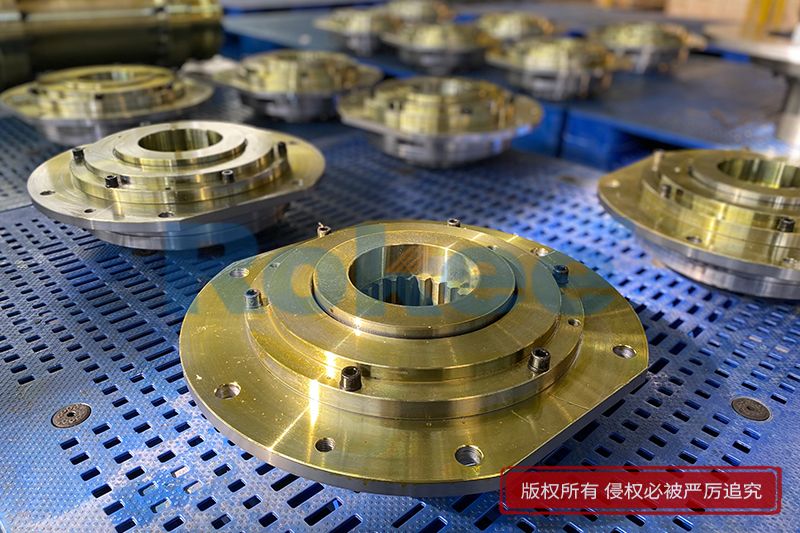
In the realm of mechanical power transmission, couplings serve as the critical link between rotating shafts, ensuring the seamless transfer of torque while accommodating misalignments and mitigating operational stresses. Among the diverse range of coupling types available, drum couplings have emerged as a reliable choice for numerous industrial applications, owing to their robust construction and ability to handle varying load conditions. The WJ drum coupling, in particular, stands out for its optimized design that balances performance, durability, and versatility.
1. Understanding the Basic Design of WJ Drum Couplings
WJ drum couplings are categorized as flexible couplings, a class of power transmission components designed to accommodate axial, radial, and angular misalignments between connected shafts. Unlike rigid couplings, which require near-perfect alignment and are prone to damage under misalignment conditions, flexible couplings like the WJ drum type incorporate elements that allow for controlled movement, thereby protecting the shafts, bearings, and other system components from excessive wear and tear.
The core design of a WJ drum coupling consists of three primary components: two drum-shaped hubs, a flexible element (typically a rubber or elastomeric sleeve), and fasteners for secure assembly. The hubs are precision-machined to fit onto the ends of the shafts that need to be connected. These hubs feature a drum-like profile, which gives the coupling its name, and are designed to interface with the flexible element. The flexible element, often made from high-quality synthetic rubber or polyurethane, is positioned between the two hubs, acting as the intermediary for torque transmission. This element is engineered to absorb shocks and vibrations, while also allowing for the necessary misalignment between the shafts.
One of the key design features of WJ drum couplings is the geometry of the drum hubs. The curved surface of the drums ensures that the flexible element is evenly loaded during operation, distributing torque uniformly and reducing the risk of localized stress concentrations. Additionally, the hubs are typically manufactured from high-strength materials such as carbon steel, alloy steel, or cast iron, depending on the application requirements. These materials are selected for their excellent tensile strength, fatigue resistance, and ability to withstand harsh operating environments. The fasteners used to secure the hubs to the shafts and the flexible element are also designed to meet stringent mechanical standards, ensuring that the coupling remains intact even under high torque loads.
2. Working Principles of WJ Drum Couplings
The primary function of a WJ drum coupling is to transmit torque from a driving shaft (e.g., from an electric motor, engine, or turbine) to a driven shaft (e.g., to a pump, compressor, conveyor, or gearbox). The working principle revolves around the interaction between the drum hubs and the flexible element, which enables both torque transfer and misalignment compensation.
When the driving shaft rotates, it imparts rotational force to the corresponding drum hub. This force is then transmitted through the flexible element to the second drum hub, which in turn drives the driven shaft. The flexible element plays a dual role here: it acts as a torque transmitter and as a buffer that absorbs shocks and vibrations generated during operation. This shock absorption capability is crucial in applications where the driving or driven equipment is prone to sudden load changes, as it helps to stabilize the system and prevent damage to sensitive components.
In terms of misalignment compensation, WJ drum couplings are capable of accommodating three types of misalignments: axial, radial, and angular. Axial misalignment occurs when the shafts are displaced along their common axis, a condition that can arise due to thermal expansion or contraction of the shafts during operation. The flexible element of the WJ drum coupling can stretch or compress slightly to accommodate this axial movement. Radial misalignment, which is the lateral displacement of one shaft relative to the other, is compensated for by the flexibility of the element, which can bend slightly without losing its torque-transmitting capacity. Angular misalignment, where the shafts are not perfectly colinear and form an angle with each other, is handled by the combination of the drum geometry and the flexible element's ability to deform uniformly.
It is important to note that while WJ drum couplings can accommodate misalignments, there are limits to the amount of misalignment they can handle effectively. Exceeding these limits can lead to increased wear on the flexible element, reduced coupling life, and excessive vibrations that can affect the overall performance of the mechanical system. Therefore, proper alignment during installation is still essential to ensure optimal coupling performance.
3. Key Advantages of WJ Drum Couplings
WJ drum couplings offer a range of advantages that make them a preferred choice for many industrial applications. These advantages stem from their optimized design, choice of materials, and functional capabilities, and include the following:
3.1 Excellent Torque Transmission Capacity
Despite their compact size, WJ drum couplings are capable of transmitting high levels of torque. This is due to the robust construction of the drum hubs and the efficient torque distribution provided by the flexible element. The even load distribution across the flexible element ensures that the coupling can handle peak torque loads without failure, making it suitable for heavy-duty applications such as industrial pumps, compressors, and conveyor systems.
3.2 Effective Misalignment Compensation
As mentioned earlier, WJ drum couplings excel at accommodating axial, radial, and angular misalignments. This capability reduces the need for precise shaft alignment during installation, which can save time and labor costs. Additionally, it protects the shafts, bearings, and other components from the excessive stresses that would otherwise result from misalignment, extending the service life of the entire mechanical system.
3.3 Shock and Vibration Absorption
The flexible element of WJ drum couplings is designed to absorb shocks and vibrations generated by the driving or driven equipment. This is particularly beneficial in applications where there are sudden load changes, such as in mining equipment or construction machinery. By absorbing these shocks, the coupling helps to stabilize the system, reduce noise levels, and prevent damage to sensitive components such as motors and gearboxes.
3.4 Compact and Lightweight Design
WJ drum couplings have a compact and lightweight design compared to other types of flexible couplings, such as gear couplings or universal joints. This makes them ideal for applications where space is limited, such as in small industrial machines or tight mechanical enclosures. The lightweight design also reduces the overall weight of the mechanical system, which can lead to improved energy efficiency and reduced operational costs.
3.5 Easy Installation and Maintenance
The simple design of WJ drum couplings makes them easy to install and maintain. The three-piece construction (two hubs and a flexible element) allows for quick assembly and disassembly, which is particularly useful during maintenance or replacement. Additionally, the flexible element is typically the only wear component, and replacing it is a straightforward process that does not require specialized tools or extensive downtime.
3.6 Corrosion and Wear Resistance
WJ drum couplings are often manufactured using corrosion-resistant materials, such as stainless steel or coated carbon steel, and the flexible element is made from materials that are resistant to oil, grease, and other industrial fluids. This makes them suitable for use in harsh environments, such as chemical plants, food processing facilities, and marine applications, where exposure to corrosive substances or harsh weather conditions is common.
4. Industrial Applications of WJ Drum Couplings
The versatility and performance of WJ drum couplings make them suitable for a wide range of industrial applications across various sectors. Their ability to handle high torque, accommodate misalignments, and absorb shocks and vibrations makes them ideal for both light-duty and heavy-duty applications. Some of the key industries and applications where WJ drum couplings are commonly used include:
4.1 Manufacturing and Processing Industries
In manufacturing and processing facilities, WJ drum couplings are widely used in machinery such as conveyors, mixers, agitators, and packaging equipment. Conveyors, which are used to transport materials across the production floor, require couplings that can handle varying loads and accommodate minor misalignments caused by the movement of the conveyor belt. WJ drum couplings are well-suited for this application, as they provide reliable torque transmission and shock absorption, ensuring smooth and efficient operation of the conveyor system. Similarly, mixers and agitators, which are used in the food, pharmaceutical, and chemical industries, benefit from the coupling's ability to handle the high torque loads generated by the mixing process and absorb the vibrations caused by the rotation of the mixing blades.
4.2 Pump and Compressor Systems
Pumps and compressors are critical components in many industrial processes, and their performance depends heavily on the reliability of the coupling used to connect the motor to the pump or compressor shaft. WJ drum couplings are commonly used in centrifugal pumps, reciprocating pumps, and air compressors. In these applications, the coupling must transmit high torque while accommodating the misalignments that can occur due to the thermal expansion of the shafts or the installation of the equipment. The shock absorption capability of the WJ drum coupling is also beneficial in pump systems, as it helps to reduce the impact of water hammer, a phenomenon that can cause significant damage to the pump and its components.
4.3 Mining and Construction Machinery
The mining and construction industries operate in harsh environments where machinery is subjected to heavy loads, sudden shocks, and extreme vibrations. WJ drum couplings are used in a variety of equipment in these industries, including excavators, bulldozers, loaders, and mining conveyors. These couplings are designed to withstand the high torque loads and shocks generated by the machinery, while also accommodating the misalignments that can occur due to the uneven terrain and the movement of the equipment. The corrosion-resistant materials used in the construction of WJ drum couplings also make them suitable for use in mining environments, where exposure to water, dirt, and corrosive minerals is common.
4.4 Power Generation
In power generation facilities, such as thermal power plants, hydroelectric power plants, and wind farms, WJ drum couplings are used to connect turbines, generators, and other power transmission components. These applications require couplings that can transmit large amounts of torque with high efficiency, while also accommodating the misalignments that can occur due to the thermal expansion of the shafts and the dynamic loads generated by the rotating equipment. The shock absorption capability of the WJ drum coupling is also important in power generation systems, as it helps to reduce the impact of sudden load changes and stabilize the system.
4.5 Marine Applications
Marine environments are characterized by high humidity, saltwater exposure, and corrosive conditions, making corrosion resistance a critical requirement for couplings used in marine applications. WJ drum couplings, with their corrosion-resistant materials and robust construction, are suitable for use in ship propulsion systems, marine pumps, and other marine machinery. These couplings are used to connect the ship's engine to the propeller shaft, transmitting torque efficiently while accommodating the misalignments that can occur due to the movement of the ship and the thermal expansion of the shafts.
5. Factors to Consider When Selecting WJ Drum Couplings
Selecting the right WJ drum coupling for a specific application requires careful consideration of several key factors. These factors include the torque requirements, shaft misalignment, operating speed, environmental conditions, and shaft dimensions. By evaluating these factors, engineers can ensure that the selected coupling will perform reliably and efficiently in the intended application. The following are the key factors to consider:
5.1 Torque Requirement
The primary factor to consider when selecting a WJ drum coupling is the torque that the coupling will need to transmit. This includes both the nominal torque (the steady-state torque during normal operation) and the peak torque (the maximum torque that the system may experience during start-up or sudden load changes). It is essential to select a coupling that has a torque rating equal to or greater than the maximum torque required by the application. Failure to do so can result in coupling failure, which can lead to costly downtime and damage to other system components.
5.2 Shaft Misalignment
Another important factor is the amount of misalignment that the coupling will need to accommodate. As discussed earlier, WJ drum couplings can handle axial, radial, and angular misalignments, but each coupling model has specific misalignment limits. It is important to measure the expected misalignment in the system and select a coupling that can handle those values. Exceeding the misalignment limits can lead to increased wear on the flexible element, reduced coupling life, and excessive vibrations.
5.3 Operating Speed
The operating speed of the shafts (measured in revolutions per minute, RPM) is also a critical factor. WJ drum couplings have a maximum allowable speed, which is determined by the material properties of the hubs and the flexible element, as well as the coupling's design. Operating the coupling above its maximum allowable speed can lead to excessive centrifugal forces, which can cause the coupling to fail. Therefore, it is important to select a coupling that is rated for the operating speed of the system.
5.4 Environmental Conditions
The environmental conditions in which the coupling will operate also play a significant role in the selection process. Factors such as temperature, humidity, exposure to corrosive substances, and the presence of dust or debris can affect the performance and service life of the coupling. For example, in high-temperature applications, it is important to select a coupling with a flexible element that can withstand the elevated temperatures without degrading. In corrosive environments, couplings made from corrosion-resistant materials, such as stainless steel, are preferred.
5.5 Shaft Dimensions
The dimensions of the shafts (including the diameter and length of the shaft ends) must also be considered when selecting a WJ drum coupling. The coupling's hubs must be sized to fit the shafts precisely, as a loose fit can lead to slippage and reduced torque transmission, while a tight fit can cause damage to the shafts. Most manufacturers offer WJ drum couplings in a range of sizes to accommodate different shaft diameters, so it is important to select a coupling that matches the shaft dimensions of the system.
6. Installation Best Practices for WJ Drum Couplings
Proper installation is essential to ensure the optimal performance and service life of WJ drum couplings. Poor installation can lead to misalignment, excessive wear, and premature coupling failure. The following are the best practices for installing WJ drum couplings:
6.1 Prepare the Shafts
Before installing the coupling, it is important to prepare the shaft ends. This includes cleaning the shafts to remove any dirt, rust, or debris, which can prevent a secure fit between the hubs and the shafts. The shaft ends should also be inspected for any damage, such as nicks or burrs, which can be removed using a file or sandpaper. Additionally, the shafts should be checked for straightness, as bent shafts can cause excessive misalignment.
6.2 Align the Shafts
While WJ drum couplings can accommodate misalignments, proper shaft alignment during installation is still essential to ensure optimal performance. Shaft alignment can be performed using a straightedge, feeler gauges, or a laser alignment tool. The goal is to minimize the amount of misalignment between the shafts, as this will reduce wear on the flexible element and extend the coupling's service life. It is important to follow the manufacturer's recommendations for the maximum allowable misalignment during installation.
6.3 Assemble the Coupling
Once the shafts are prepared and aligned, the coupling can be assembled. The first step is to slide the hubs onto the shaft ends, ensuring that they are positioned correctly. The hubs should be secured to the shafts using the appropriate fasteners (such as set screws or keyways), and the fasteners should be tightened to the manufacturer's recommended torque specifications. Next, the flexible element is placed between the two hubs, and any additional fasteners (such as bolts or clamps) are used to secure the element in place. It is important to ensure that the flexible element is properly seated and that there is no excessive tension or compression on the element.
6.4 Test the System
After the coupling is installed, the system should be tested to ensure that it is operating correctly. This includes rotating the shafts manually to check for any binding or excessive resistance, and then running the system at a low speed to check for vibrations or unusual noises. If any issues are detected, the system should be shut down immediately, and the coupling should be inspected for misalignment or improper installation.
7. Maintenance and Service Life of WJ Drum Couplings
Regular maintenance is essential to extend the service life of WJ drum couplings and ensure their reliable performance. The maintenance requirements for WJ drum couplings are relatively simple, thanks to their robust design and minimal wear components. The following are the key maintenance practices for WJ drum couplings:
7.1 Regular Inspection
WJ drum couplings should be inspected regularly to check for signs of wear, damage, or misalignment. Inspections should include checking the flexible element for cracks, tears, or degradation, inspecting the hubs for signs of corrosion or wear, and checking the fasteners to ensure that they are tight. The frequency of inspections depends on the application and the operating conditions, but it is generally recommended to inspect the coupling at least once every six months, or more frequently for high-duty applications.
7.2 Lubrication
Some WJ drum coupling models may require lubrication to reduce friction between the hubs and the flexible element. It is important to follow the manufacturer's recommendations for lubrication, including the type of lubricant to use and the frequency of lubrication. Over-lubrication or the use of the wrong type of lubricant can lead to damage to the flexible element, so it is important to use only the lubricant specified by the manufacturer.
7.3 Replacement of Wear Components
The flexible element is the primary wear component of WJ drum couplings, and it will eventually need to be replaced due to fatigue or degradation. The service life of the flexible element depends on the application, operating conditions, and the material of the element. When the flexible element shows signs of wear (such as cracks, tears, or reduced flexibility), it should be replaced immediately to prevent coupling failure. Replacing the flexible element is a straightforward process that can be done without removing the hubs from the shafts, which minimizes downtime.
7.4 Alignment Checks
Over time, the alignment of the shafts may change due to thermal expansion, vibration, or the movement of the equipment. Therefore, it is important to check the shaft alignment periodically and make any necessary adjustments. Misalignment can lead to increased wear on the flexible element and other system components, so prompt correction of misalignment is essential to extend the service life of the coupling.
8. Conclusion
WJ drum couplings are a versatile and reliable choice for power transmission applications across a wide range of industries. Their robust design, excellent torque transmission capacity, effective misalignment compensation, and shock absorption capabilities make them suitable for both light-duty and heavy-duty applications. By understanding the design characteristics, working principles, and key advantages of WJ drum couplings, as well as the factors influencing selection, installation, and maintenance, industrial professionals can ensure that these couplings perform optimally and contribute to the efficiency and reliability of their mechanical systems.
Whether used in manufacturing, pump systems, mining machinery, power generation, or marine applications, WJ drum couplings offer a cost-effective solution for connecting rotating shafts and transmitting torque. With proper selection, installation, and maintenance, WJ drum couplings can provide long service life and minimize downtime, making them an essential component in modern industrial systems. As technology continues to advance, it is likely that WJ drum couplings will continue to be refined and optimized to meet the evolving needs of the industrial sector, further enhancing their performance and versatility.
« WJ8 Drum Coupling » Post Date: 2023/12/6
URL: https://www.rokeecoupling.com/en/customer-cases/wj8-drum-coupling.html
- Gap Chart of Flexible Bush Couplings
- High Performance Jaw Flexible Couplings
- Metal Diaphragm Coupling With Expansion Sleeve
- Double Diaphragm Coupling Manufacturer
- Large Plum Blossom Coupling
- Membrane Coupling Stiffness
- Flexible Transmission Porous Diaphragm Couplings
- 3D Model of Brake Drum Coupling
- Steel Plum Couplings
- Split bearing type large universal shaft joint