Universal Coupling For Pumps
Rokee® provide Universal Coupling For Pumps, non-standard coupling customization, drawing design, batch processing, and export the product to your location.
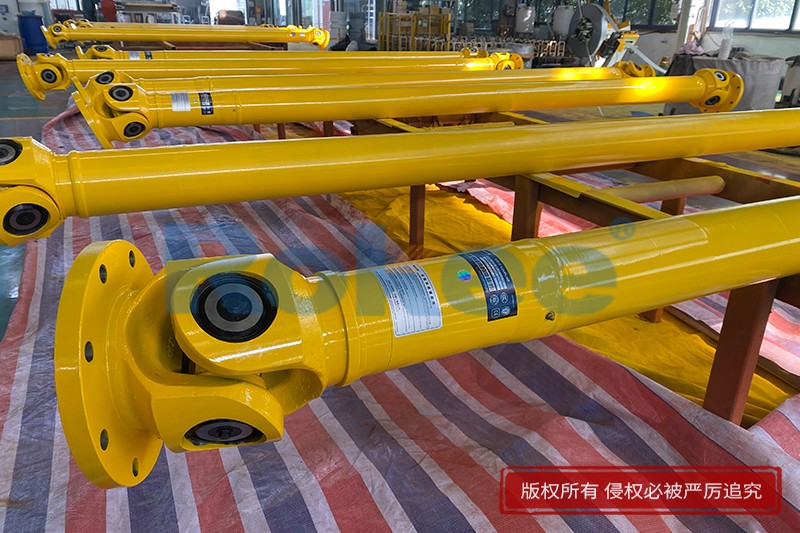
Pumps are essential equipment in numerous industrial, agricultural, and municipal systems, responsible for transferring fluids such as water, oil, chemicals, and sludge. The efficiency and reliability of a pump system depend not only on the pump itself but also on the performance of its auxiliary components. Among these components, the coupling plays a critical role in connecting the pump shaft to the drive shaft (typically from an electric motor or engine), transmitting torque while accommodating misalignments between the two shafts. The universal coupling, also known as the Cardan coupling, stands out as a versatile and robust option for pump applications, offering unique advantages in handling angular, parallel, and axial misalignments.
1. Fundamental Characteristics of Universal Couplings for Pumps
Universal couplings are mechanical devices designed to transmit rotational power between two shafts that are not perfectly aligned. Unlike rigid couplings, which require precise alignment and can only accommodate minimal misalignments, universal couplings are engineered to handle significant misalignments without compromising torque transmission efficiency or causing excessive wear. For pump applications, the key characteristics of universal couplings include their ability to accommodate multiple types of misalignments, high torque capacity, compact design, and resistance to harsh operating conditions.
One of the defining features of universal couplings is their flexibility. They can accommodate angular misalignment (the angle between the two shafts), parallel misalignment (offset between the shaft axes), and axial misalignment (axial movement of the shafts) simultaneously. This flexibility is crucial in pump systems, as misalignments often occur due to factors such as installation errors, thermal expansion and contraction of shafts during operation, vibration, and settling of the pump or motor base over time. Without a coupling that can absorb these misalignments, the pump and motor shafts would be subjected to excessive stress, leading to premature failure of bearings, seals, and other components.
Another important characteristic of universal couplings for pumps is their high torque transmission capacity. Pumps operate under varying load conditions, from light-duty applications such as residential water supply to heavy-duty applications such as industrial sludge transfer. Universal couplings are available in a wide range of sizes and configurations, allowing them to transmit torque ranging from a few Newton-meters to several thousand Newton-meters, making them suitable for both small and large pump systems. Additionally, their compact design ensures that they can fit into tight spaces, which is often a requirement in pump installations where space is limited.
Durability and resistance to harsh environments are also key attributes of universal couplings for pumps. Many pump applications involve operating in harsh conditions, such as high temperatures, high humidity, corrosive fluids, and dusty or abrasive environments. Universal couplings are typically manufactured from high-strength materials such as alloy steel, stainless steel, and aluminum alloys, which offer excellent resistance to corrosion, wear, and fatigue. Some couplings also feature protective coatings or seals to further enhance their resistance to harsh conditions, ensuring long service life in pump systems.
2. Working Principle of Universal Couplings
The basic working principle of a universal coupling revolves around the use of two yokes (fork-shaped components) connected by a cross-shaped intermediate member, known as the cross or spider. Each yoke is attached to one of the shafts (pump shaft and drive shaft) and is connected to the cross via pins or bearings. This configuration allows the cross to rotate freely within the yokes, enabling the transmission of torque between the two shafts even when they are misaligned.
When the drive shaft rotates, it transmits torque to the yoke attached to it, which in turn rotates the cross. The cross then transfers the torque to the other yoke, which drives the pump shaft. The bearings between the cross and the yokes allow the cross to pivot, accommodating angular misalignment between the two shafts. For parallel misalignment, the universal coupling relies on the combination of angular misalignments of the two yokes relative to the cross. Axial misalignment is accommodated by the sliding of the pins or bearings within the yokes, or by the use of a telescoping universal coupling, which includes a sliding section to absorb axial movement.
It is important to note that a single universal coupling (also known as a single Cardan joint) introduces a certain degree of angular velocity fluctuation. As the drive shaft rotates at a constant speed, the driven shaft (pump shaft) will rotate at a varying speed, which can cause vibration and noise in the pump system. To mitigate this issue, pump applications often use a double universal coupling (two Cardan joints connected by an intermediate shaft). The double universal coupling cancels out the angular velocity fluctuation, ensuring that the pump shaft rotates at a constant speed, even when there is significant angular misalignment between the drive and pump shafts. This makes the double universal coupling the preferred choice for most pump applications, especially those requiring smooth and stable operation.
3. Applications of Universal Couplings in Pump Systems
Universal couplings are widely used in various pump applications across different industries, thanks to their flexibility, high torque capacity, and durability. The following are some of the key application areas where universal couplings are commonly employed in pump systems:
3.1 Industrial Process Pumps
Industrial process pumps are used in manufacturing plants, refineries, chemical plants, and food processing facilities to transfer a wide range of fluids, including chemicals, oils, solvents, and food products. These pumps often operate under demanding conditions, such as high temperatures, high pressures, and corrosive environments. Additionally, due to the complex layout of industrial facilities, the pump and motor shafts may be misaligned, requiring a coupling that can accommodate such misalignments. Universal couplings are ideal for these applications, as they can handle the misalignments caused by installation constraints and thermal expansion, while also transmitting the high torque required by process pumps. For example, in chemical plants, centrifugal pumps used to transfer corrosive chemicals often use stainless steel universal couplings to ensure resistance to corrosion and reliable torque transmission.
3.2 Agricultural Pumps
Agricultural pumps are used for irrigation, water supply, and drainage in farms, greenhouses, and agricultural fields. These pumps are often installed in outdoor environments, where they may be exposed to harsh weather conditions such as rain, snow, and extreme temperatures. Additionally, agricultural pumps are often mounted on mobile or temporary bases, leading to potential misalignments between the pump and drive shafts (which may be from a diesel engine or electric motor). Universal couplings are well-suited for agricultural pumps, as their robust design can withstand outdoor conditions, and their flexibility can accommodate the misalignments caused by temporary installations. For example, portable irrigation pumps used in remote agricultural areas often use universal couplings to connect the pump to a diesel engine, ensuring reliable operation even on uneven terrain.
3.3 Municipal Water and Wastewater Pumps
Municipal water and wastewater treatment plants use a variety of pumps to transfer water from sources (such as rivers, lakes, and wells) to treatment facilities, and to transport treated water to distribution systems. They also use pumps to transfer wastewater and sludge during the treatment process. These pumps are critical for ensuring the smooth operation of municipal services, and any downtime can have significant impacts on public health and daily life. Universal couplings are used in these pumps to accommodate misalignments caused by the large size of the pumps and motors, as well as thermal expansion and contraction. For example, large centrifugal pumps used in water treatment plants to transfer raw water often use double universal couplings to ensure stable and reliable operation, minimizing the risk of downtime.
3.4 Mining Pumps
Mining operations require pumps to transfer water, slurry, and mining fluids in underground and open-pit mines. These pumps operate in extremely harsh conditions, including high levels of dust, vibration, and corrosive or abrasive fluids. The pump and motor shafts in mining applications are often subject to significant misalignments due to the rugged terrain and the movement of mining equipment. Universal couplings are used in mining pumps because of their high torque capacity, durability, and ability to handle severe misalignments. For example, slurry pumps used to transfer abrasive mining slurries often use heavy-duty universal couplings made from high-strength alloy steel to withstand the high loads and abrasive conditions.
3.5 Marine Pumps
Marine pumps are used in ships and offshore platforms for various applications, such as ballast water management, bilge pumping, fuel transfer, and cooling systems. These pumps operate in a marine environment, where they are exposed to saltwater, high humidity, and vibration. The layout of ship engines and pump systems often results in misalignments between the drive and pump shafts, requiring a flexible coupling. Universal couplings are suitable for marine pumps, as they can accommodate these misalignments and resist corrosion from saltwater. Stainless steel universal couplings are commonly used in marine applications to ensure long service life in the harsh marine environment.
4. Selection Guidelines for Universal Couplings for Pumps
Selecting the right universal coupling for a pump system is crucial to ensure optimal performance, reliability, and long service life. The selection process should take into account several key factors, including the type and magnitude of misalignment, torque requirements, operating conditions, pump type, and installation constraints. The following are the main guidelines to consider when selecting a universal coupling for a pump:
4.1 Determine Misalignment Requirements
The first step in selecting a universal coupling is to determine the type and magnitude of misalignment that the coupling will need to accommodate. This includes angular misalignment (measured in degrees), parallel misalignment (measured in millimeters), and axial misalignment (measured in millimeters). The coupling must be selected to handle the maximum expected misalignment in the pump system. Single universal couplings can typically handle angular misalignments up to 30 degrees, while double universal couplings can handle higher angular misalignments (up to 45 degrees in some cases) and eliminate angular velocity fluctuation. For systems with significant parallel or axial misalignment, a telescoping universal coupling (which includes a sliding section) may be required.
4.2 Calculate Torque Requirements
The universal coupling must be capable of transmitting the maximum torque required by the pump system. The torque requirement is determined by the pump's power rating and operating speed. The formula for calculating torque (T) is T = 9550 × P / n, where P is the power in kilowatts and n is the speed in revolutions per minute (rpm). It is important to consider not only the nominal torque but also any peak torque that may occur during startup or under abnormal operating conditions. The coupling's rated torque should be greater than the maximum torque required by the pump system to ensure reliable operation and prevent coupling failure.
4.3 Consider Operating Conditions
The operating conditions of the pump system, such as temperature, humidity, corrosive environment, and vibration, are critical factors in selecting the right universal coupling. For high-temperature applications (e.g., pumps transferring hot oils or steam), the coupling material should have high-temperature resistance to prevent deformation or failure. For corrosive environments (e.g., chemical or marine applications), stainless steel or other corrosion-resistant materials should be used. In applications with high vibration (e.g., mining or industrial pumps), the coupling should have good damping properties to reduce vibration transmission and minimize wear on the pump and motor components.
4.4 Match the Coupling to the Pump Type
Different types of pumps have different operating characteristics, which can affect the selection of the universal coupling. For example, centrifugal pumps have relatively smooth torque requirements, while positive displacement pumps (such as gear pumps and piston pumps) may generate higher peak torques. Additionally, some pumps (such as submersible pumps) have specific installation constraints, requiring compact couplings. It is important to select a coupling that is compatible with the pump's operating characteristics and installation requirements.
4.5 Evaluate Installation and Maintenance Requirements
The installation and maintenance requirements of the universal coupling should also be considered. Some couplings require precise installation and alignment, while others are easier to install. Additionally, couplings with sealed bearings may require less maintenance, as they are protected from dirt and debris. It is important to select a coupling that is easy to install and maintain, especially in applications where downtime is costly.
5. Installation and Maintenance of Universal Couplings for Pumps
Proper installation and regular maintenance are essential to ensure the optimal performance and long service life of universal couplings in pump systems. The following are the key installation and maintenance practices for universal couplings:
5.1 Installation Practices
During installation, it is important to ensure that the pump and motor shafts are aligned as accurately as possible, even though the universal coupling can accommodate misalignments. Excessive misalignment can increase wear on the coupling's bearings and pins, reducing its service life. The installation process should include the following steps: (1) Clean the shaft ends of the pump and motor to remove any dirt, rust, or debris. (2) Mount the yokes of the universal coupling onto the shaft ends, ensuring a tight fit (using keys, set screws, or hydraulic fits as required). (3) Connect the yokes to the cross, ensuring that the pins or bearings are properly lubricated. (4) Check the alignment of the shafts using a dial indicator or laser alignment tool, and adjust the motor or pump base as needed to minimize misalignment. (5) Secure all fasteners and check for any loose components before starting the pump system.
5.2 Maintenance Practices
Regular maintenance of universal couplings includes lubrication, inspection, and replacement of worn components. Lubrication is critical to reduce friction between the cross and the yokes, preventing wear and extending the coupling's service life. The type of lubricant used should be compatible with the operating conditions (e.g., high-temperature lubricants for high-temperature applications, corrosion-resistant lubricants for corrosive environments). The coupling should be lubricated at regular intervals, as specified by the manufacturer. Inspection should be conducted periodically to check for signs of wear, such as worn bearings, bent pins, or cracks in the yokes. Any worn or damaged components should be replaced immediately to prevent coupling failure. Additionally, the alignment of the shafts should be checked regularly, as misalignment can increase over time due to base settling or thermal expansion. If misalignment exceeds the coupling's capacity, adjustments should be made to the motor or pump base.
6. Future Trends in Universal Couplings for Pumps
The global pump industry is constantly evolving, driven by trends such as energy efficiency, digitalization, and sustainability. These trends are also influencing the development of universal couplings for pumps. The following are some of the key future trends in universal couplings:
6.1 Energy-Efficient Designs
As energy efficiency becomes a top priority for industries and municipalities, there is a growing demand for universal couplings that minimize energy loss. Manufacturers are developing couplings with improved bearing designs and lubrication systems to reduce friction, which can significantly reduce energy consumption. Additionally, lightweight materials such as aluminum alloys and composite materials are being used to reduce the coupling's inertia, improving the overall energy efficiency of the pump system.
6.2 Digitalization and Condition Monitoring
Digitalization is transforming the maintenance of pump systems, with the adoption of condition monitoring technologies such as sensors and IoT (Internet of Things) devices. Future universal couplings may be equipped with sensors to monitor temperature, vibration, and wear, providing real-time data on the coupling's condition. This data can be used to predict potential failures and schedule maintenance proactively, reducing downtime and maintenance costs. Additionally, digital twins of pump systems (virtual replicas of physical systems) may include models of universal couplings, allowing engineers to simulate the coupling's performance under different operating conditions and optimize its design.
6.3 Sustainable and Environmentally Friendly Materials
Sustainability is another key trend driving the development of universal couplings. Manufacturers are increasingly using recycled materials and environmentally friendly manufacturing processes to reduce the environmental impact of couplings. Additionally, there is a growing demand for couplings that are compatible with biodegradable lubricants, further reducing their environmental footprint. Stainless steel and other corrosion-resistant materials are also becoming more popular, as they extend the coupling's service life and reduce the need for frequent replacements, minimizing waste.
6.4 Customized Designs for Specific Applications
As pump applications become more specialized (e.g., high-pressure, high-temperature, or corrosive applications), there is a growing demand for customized universal couplings. Manufacturers are offering tailored solutions, designed to meet the specific requirements of individual pump systems. This includes custom materials, sizes, and configurations, ensuring that the coupling provides optimal performance in even the most demanding applications.
7. Conclusion
Universal couplings are critical components in pump systems, providing the flexibility to accommodate misalignments while transmitting torque reliably. Their unique characteristics, including high torque capacity, durability, and resistance to harsh conditions, make them suitable for a wide range of pump applications across industries such as industrial processing, agriculture, municipal water management, mining, and marine. Selecting the right universal coupling requires careful consideration of misalignment requirements, torque needs, operating conditions, pump type, and installation constraints. Proper installation and regular maintenance are also essential to ensure optimal performance and long service life.
Looking to the future, universal couplings for pumps are expected to evolve to meet the growing demands for energy efficiency, digitalization, sustainability, and customization. These advancements will further enhance the reliability and performance of pump systems, contributing to the efficiency and sustainability of various industries. As pump technology continues to advance, universal couplings will remain a vital component, playing a key role in ensuring the smooth and efficient operation of pump systems worldwide.
« Universal Coupling For Pumps » Post Date: 2023/10/8
URL: https://www.rokeecoupling.com/en/customer-cases/universal-coupling-for-pumps.html
- JMI Single Diaphragm Coupling
- Rubber Tire Couplings Company
- Disadvantages of Brake Drum Coupling
- Engineering Drawing Of Elastic Diaphragm Coupling
- Specifications of Disc Coupling
- Gear Coupling Processing Factory
- Type Of Transmission Plum Blossom Coupling
- High Speed & High Torque Universal Coupling
- Currency Membrane Couplings
- Universal Joint Coupling Dimensions