Safety Type Toothed Coupling
Rokee® provide Safety Type Toothed Coupling, non-standard coupling customization, drawing design, batch processing, and export the product to your location.
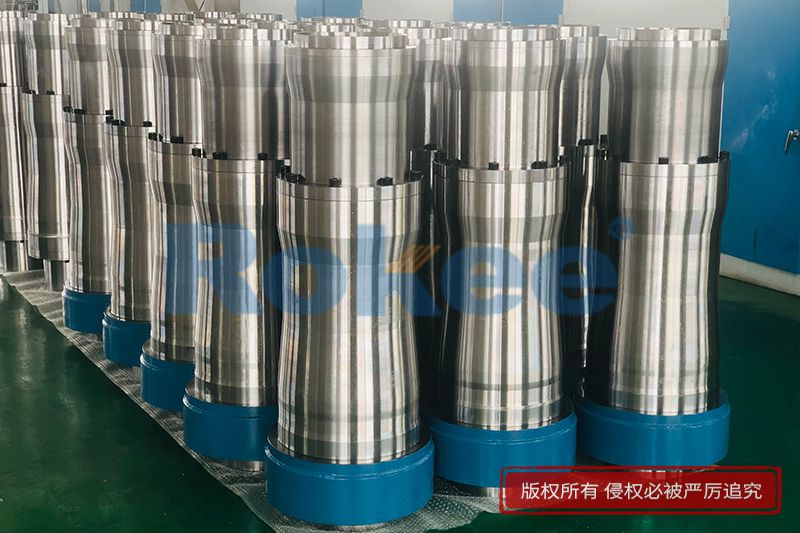
In the realm of industrial power transmission, couplings serve as critical components that connect rotating shafts, enabling the transfer of torque while accommodating misalignments and absorbing operational shocks. Among the diverse range of couplings available, the safety type toothed coupling stands out for its unique combination of high torque capacity, reliable performance, and integrated safety features.
To understand the significance of safety type toothed couplings, it is first essential to grasp the fundamental role of toothed couplings in power transmission systems. Traditional toothed couplings consist of two hubs with external teeth, which mesh with an internal toothed sleeve or flange. This meshing design allows for the efficient transfer of high torques, making them suitable for heavy-duty applications. However, standard toothed couplings often lack specific safety mechanisms, which can lead to catastrophic failures in the event of overload, misalignment beyond acceptable limits, or component wear. Safety type toothed couplings address these limitations by incorporating design elements that prevent sudden and destructive failures, protecting both the machinery and the personnel operating it.
Design Characteristics of Safety Type Toothed Couplings
The design of safety type toothed couplings is a sophisticated integration of torque transmission capabilities and safety features, tailored to meet the rigorous demands of industrial operations. At the core of their design are three primary components: the toothed hubs, the flexible sleeve (or spacer), and the safety mechanism. Each component is engineered to work in harmony, ensuring optimal performance and fail-safe operation.
The toothed hubs are typically manufactured from high-strength alloy steels, which undergo heat treatment processes to enhance hardness, wear resistance, and fatigue strength. The teeth on the hubs are precision-machined to ensure accurate meshing with the internal teeth of the sleeve. The tooth profile is often involute, a design choice that minimizes friction during operation and allows for smooth torque transfer even with minor misalignments. The number and size of the teeth vary depending on the intended application, with larger teeth and fewer counts suitable for high-torque applications, while smaller teeth and higher counts are used for applications requiring higher speed and precision.
The flexible sleeve, which connects the two toothed hubs, is a critical component that accommodates misalignments. Unlike rigid couplings, safety type toothed couplings can handle angular, parallel, and axial misalignments, which are common in industrial machinery due to installation errors, thermal expansion, or shaft deflection during operation. The sleeve may be made from alloy steel or a composite material, depending on the application's requirements for flexibility and durability. In some designs, the sleeve is split into two halves, facilitating easy installation and maintenance without the need to disassemble the entire shaft system.
The defining feature of safety type toothed couplings is their integrated safety mechanism, which sets them apart from standard toothed couplings. This mechanism is designed to prevent catastrophic failure by limiting the maximum torque that the coupling can transmit. Common safety mechanisms include shear pins, friction clutches, or overload bolts. Shear pins are inserted through the hub and sleeve, and they are engineered to shear at a predetermined torque level. When the torque exceeds this limit, the shear pin breaks, disconnecting the drive shaft from the driven shaft and preventing damage to the machinery. Friction clutch-based safety mechanisms use friction plates to transmit torque; when the torque exceeds the set limit, the plates slip, limiting the torque transfer and alerting operators to the overload condition. Overload bolts, similar to shear pins, are designed to fracture at a specific torque, providing a fail-safe disconnect.
Another important design consideration for safety type toothed couplings is the inclusion of lubrication systems. The meshing teeth of the hubs and sleeve require consistent lubrication to reduce friction, minimize wear, and dissipate heat generated during operation. Many safety type toothed couplings are equipped with grease fittings or oil injection ports, allowing for easy lubrication without disassembling the coupling. Some designs also feature sealed housings to prevent lubricant leakage and protect the internal components from dust, dirt, and other contaminants, extending the service life of the coupling.
Working Principles of Safety Type Toothed Couplings
The working principle of a safety type toothed coupling revolves around the meshing of the toothed hubs and the flexible sleeve to transmit torque, while the safety mechanism monitors and limits the torque to prevent overload. During normal operation, torque is transferred from the drive shaft to the drive hub, through the meshing teeth to the sleeve, and then to the driven hub and driven shaft. The flexible sleeve accommodates any misalignments between the shafts, ensuring that the teeth remain in proper mesh and that torque transfer is smooth and efficient.
The safety mechanism remains inactive during normal operation, allowing the coupling to transmit the required torque. However, when the torque exceeds the predetermined limit—due to factors such as machinery jamming, overload, or sudden changes in load—the safety mechanism is triggered. For shear pin or overload bolt designs, the pin or bolt shears, breaking the mechanical connection between the drive and driven shafts. This prevents the torque from being transmitted further, protecting the shafts, bearings, gears, and other critical components from damage. In friction clutch designs, the friction plates slip when the torque limit is exceeded, generating heat and alerting operators to the overload condition. The slipping action limits the torque transfer, preventing damage while allowing operators to address the issue before resuming operation.
In addition to torque limiting, safety type toothed couplings also provide damping of shock loads and vibration. The meshing teeth and flexible sleeve act as a buffer, absorbing sudden shocks and reducing vibration transmission between the shafts. This not only protects the machinery but also improves the overall stability and reliability of the power transmission system, reducing noise and extending the service life of other components.
Key Advantages of Safety Type Toothed Couplings
Safety type toothed couplings offer a range of advantages that make them indispensable in many industrial applications. Their primary advantage is, of course, the integrated safety features that prevent catastrophic failures. By limiting torque transfer and disconnecting the shafts in the event of overload, these couplings minimize the risk of machinery damage, downtime, and potential injury to personnel. This is particularly critical in high-power applications such as heavy machinery, mining equipment, and industrial turbines, where equipment failures can have severe consequences.
Another major advantage is their high torque capacity. The meshing tooth design allows for efficient torque transfer, making safety type toothed couplings suitable for heavy-duty applications that require the transmission of large amounts of torque. Compared to other types of couplings such as jaw couplings or disc couplings, toothed couplings can handle significantly higher torque levels, making them ideal for use in industrial machinery such as pumps, compressors, conveyors, and gearboxes.
Safety type toothed couplings also excel in accommodating misalignments. Angular misalignments (up to 3-5 degrees in some designs), parallel misalignments, and axial displacements can be easily accommodated by the flexible sleeve, reducing the stress on shafts and bearings. This flexibility simplifies installation, as it reduces the need for precise alignment of the shafts, saving time and labor costs. Additionally, the ability to accommodate misalignments reduces wear on other components, extending the overall service life of the machinery.
Durability and long service life are also key advantages of safety type toothed couplings. The use of high-strength materials and precision manufacturing processes ensures that these couplings can withstand the harsh conditions of industrial environments, including high temperatures, heavy loads, and exposure to contaminants. The inclusion of lubrication systems and sealed housings further enhances durability by reducing wear and protecting internal components from damage.
Maintenance simplicity is another benefit of safety type toothed couplings. Many designs feature split sleeves or easy-access lubrication ports, allowing for routine maintenance such as lubrication, inspection, and replacement of safety components (such as shear pins) without the need to disassemble the entire shaft system. This reduces downtime and maintenance costs, improving the overall efficiency of the operation.
Applications of Safety Type Toothed Couplings
Safety type toothed couplings find applications across a wide range of industrial sectors, where reliable power transmission and safety are paramount. One of the primary applications is in the mining and mineral processing industry. Mining equipment such as crushers, grinders, and conveyors operate under heavy loads and harsh conditions, making them prone to overloads and jamming. Safety type toothed couplings are used in these applications to protect the machinery from damage and ensure the safety of personnel.
The manufacturing industry also relies heavily on safety type toothed couplings. In heavy machinery manufacturing, such as the production of steel, aluminum, and other metals, rolling mills, extruders, and forging presses require the transmission of high torques. Safety type toothed couplings ensure that these machines operate safely and efficiently, minimizing downtime and maximizing productivity.
Power generation is another key sector where safety type toothed couplings are used. In thermal power plants, hydroelectric plants, and wind farms, turbines, generators, and pumps require reliable power transmission. The safety features of these couplings are critical in preventing failures that could lead to power outages and significant economic losses. Additionally, their ability to accommodate misalignments and absorb vibrations makes them suitable for use in these high-precision applications.
The marine industry also utilizes safety type toothed couplings in ship propulsion systems, pumps, and auxiliary machinery. The harsh marine environment, with high levels of vibration, corrosion, and variable loads, requires couplings that are durable and reliable. Safety type toothed couplings, with their robust design and safety features, ensure that ship systems operate safely and efficiently, even in challenging conditions.
Other applications include material handling equipment (such as cranes and hoists), agricultural machinery (such as tractors and harvesters), and construction equipment (such as excavators and bulldozers). In each of these applications, safety type toothed couplings play a critical role in ensuring the safe and efficient operation of the machinery, protecting both the equipment and the operators.
Maintenance Considerations for Safety Type Toothed Couplings
Proper maintenance is essential to ensure the optimal performance and longevity of safety type toothed couplings. Regular inspection and lubrication are the cornerstones of effective maintenance, helping to identify potential issues before they escalate into major problems.
Lubrication is perhaps the most important maintenance task for safety type toothed couplings. The meshing teeth and moving parts require consistent lubrication to reduce friction, minimize wear, and dissipate heat. The type of lubricant used should be appropriate for the application's operating conditions, including temperature, load, and speed. Grease is the most common lubricant used, but oil may be used in high-speed or high-temperature applications. Lubrication intervals should be followed strictly, and the coupling should be inspected for lubricant leakage regularly. Seals and gaskets should be checked and replaced if they are damaged, to prevent lubricant loss and contamination.
Regular inspection of the coupling components is also critical. The toothed hubs, sleeve, and safety mechanism should be inspected for signs of wear, damage, or corrosion. The teeth should be checked for pitting, scoring, or excessive wear, which can reduce the coupling's torque capacity and lead to failure. The safety components, such as shear pins or friction plates, should be inspected to ensure they are in good condition and have not been triggered. If a shear pin has sheared or a friction plate is worn, it should be replaced immediately with a component of the correct specification. Misalignment should also be checked regularly, as excessive misalignment can cause premature wear and reduce the coupling's performance.
Torque setting verification is another important maintenance task. The safety mechanism (shear pin, friction clutch, or overload bolt) is designed to trigger at a specific torque level. Over time, the torque setting may change due to wear or damage to the components. Regular verification of the torque setting ensures that the safety mechanism will function correctly when needed. This can be done using torque wrenches or other specialized equipment, depending on the type of safety mechanism.
In addition to regular maintenance, proper installation is crucial for the performance and safety of safety type toothed couplings. The shafts should be aligned as accurately as possible, within the coupling's specified misalignment limits. The coupling components should be installed correctly, with the appropriate fasteners tightened to the recommended torque. Improper installation can lead to premature wear, reduced performance, and even failure of the coupling.
Conclusion
Safety type toothed couplings are essential components in industrial power transmission systems, offering a unique combination of high torque capacity, flexibility, and integrated safety features. Their robust design, which includes precision-machined toothed hubs, flexible sleeves, and reliable safety mechanisms, makes them suitable for a wide range of heavy-duty applications across various industrial sectors. By preventing catastrophic failures, accommodating misalignments, and transmitting torque efficiently, these couplings enhance the safety, reliability, and efficiency of industrial machinery.
Proper design selection, installation, and maintenance are critical to ensuring the optimal performance and longevity of safety type toothed couplings. By choosing the right coupling for the application, following proper installation procedures, and adhering to regular maintenance schedules, industrial operators can maximize the service life of their equipment, minimize downtime, and ensure the safety of their personnel.
As industrial machinery continues to evolve, with increasing demands for higher power, precision, and safety, the role of safety type toothed couplings will only become more important. Ongoing advancements in material science and manufacturing technology will further enhance the performance and reliability of these couplings, making them an indispensable part of modern industrial power transmission systems.
« Safety Type Toothed Coupling » Post Date: 2023/8/31
URL: https://www.rokeecoupling.com/en/customer-cases/safety-type-toothed-coupling.html
- Water Pump Pin Coupling Factory
- Assembly Tolerance Of Drum Gear Coupling
- Models of Flexible Tyre Couplings
- Steel Laminae Coupling Structure
- Production Of Curved-tooth Gear Couplings
- Brake Drum Gear Coupling Models
- Catalogue Of Curved Tooth Couplings
- Bush Type Flexible Coupling Standard Sizes
- Vertical Drum Gear Coupling
- Expansion Sleeve Type Diaphragm Coupling