Pump Pin Coupling
Rokee® is a Pump Pin Coupling Supplier from China, customized pump pin coupling according to the drawings which provided by the customer, selling chinese national standard pump pin coupling, support export, due to excellent quality, complete technical services and superior cost performance, Rokee® industrial coupling have been serving more than 60 countries and regions in the world, effectively operating in many corners of the world.
The pin and bush couplings accept parallel, angular and axial misalignment and can provide considerable torsional flexibility. The flexible pin gear coupling is designed with non-metallic flexible pin, two toothed semi-couplings and a toothed sleeve ring with an outer ring. It uses non-metallic flexible deformation to transfer torque and cushion shock and compensate angular displacement.
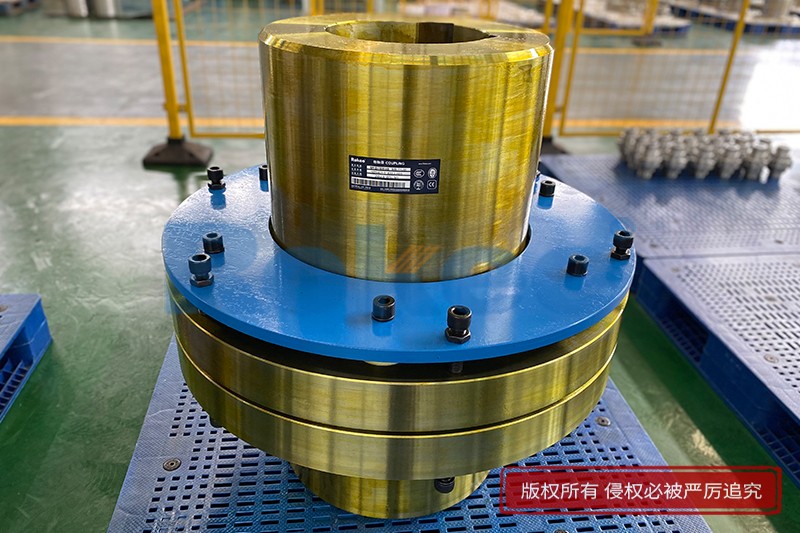
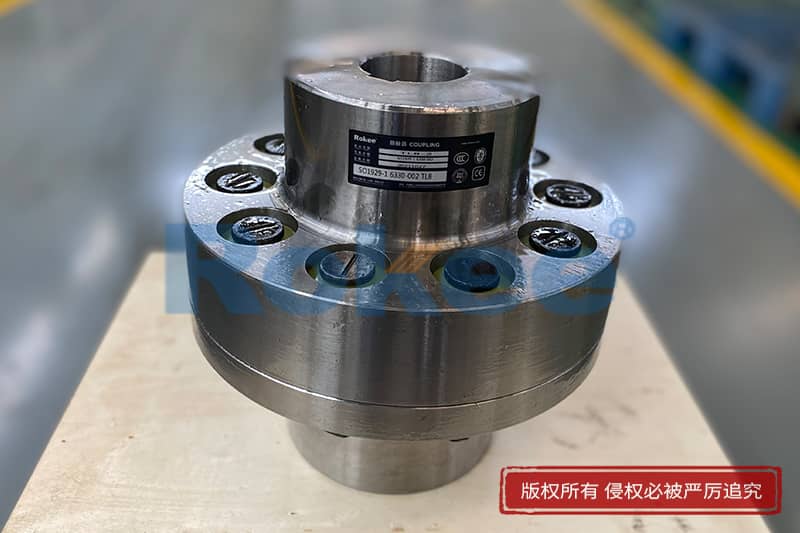
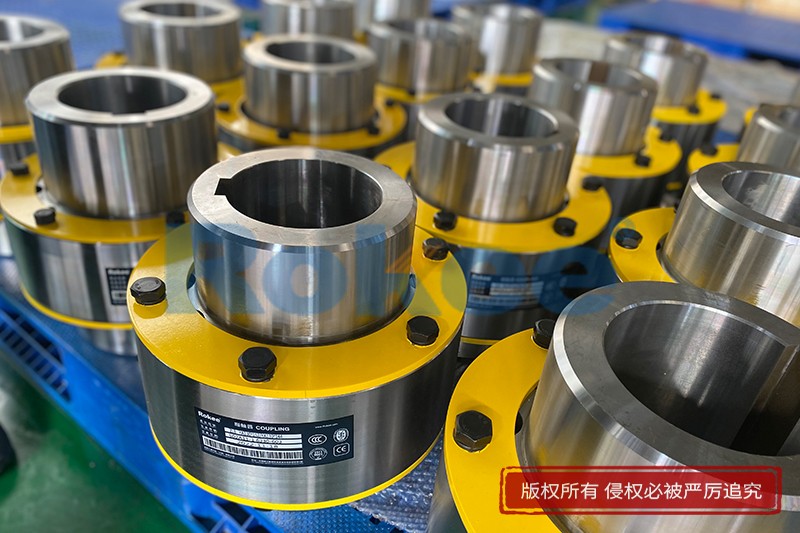
The flexible pin coupling is a basic transmission parts that has simple structure, needs no lubrication, and is easy to manufacture, install and disassemble the flexible pin. It uses two semi-couplings with flange holes and a non-metallic flexible pin for crane to transmit torque, suitable for low-to-medium speed and low-to-medium torque occasions.
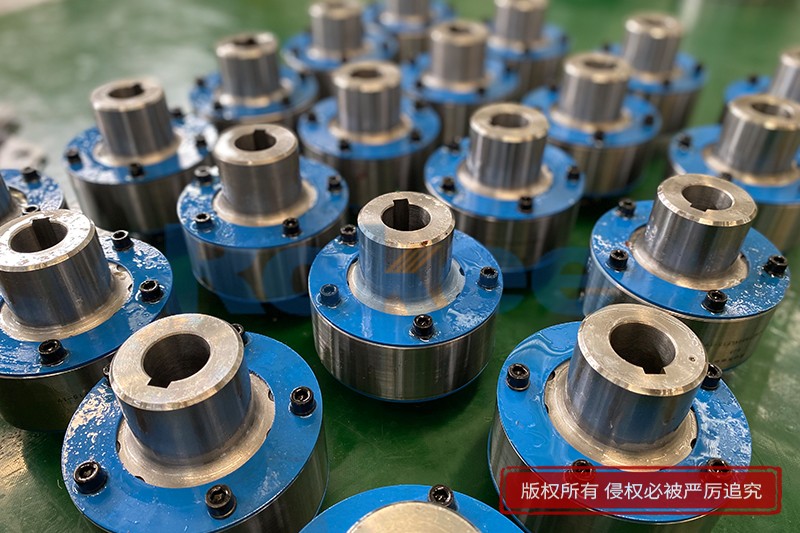
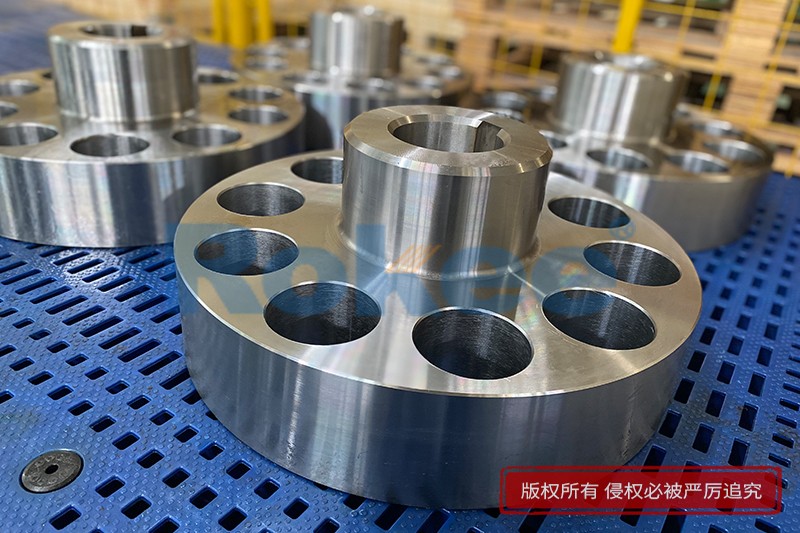
The design of the elastic sleeve pin coupling is simple and clever in design and has wide applicability. It uses the pin with elastic sleeve to connect two semi-couplings with pin holes to realize torque transmission and larger angular compensation. At the same time, it has good shock absorption and buffering performance, which can be used in high-speed occasions without lubrication and requiring easy pin sleeve replacement.
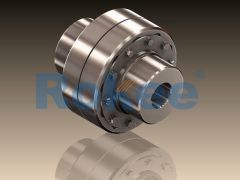
![Pump Pin Coupling,LTZ/TLL Elastic Sleeve Pin Coupling]()
LTZ/TLL Elastic Sleeve Pin Coupling
LTZ/TLL Elastic Sleeve Pin Coupling is designed with a brake wheel, suitable for situations where braking is required.![Pump Pin Coupling,LT/TL Elastic Sleeve Pin Coupling]()
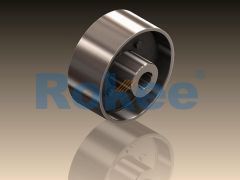
LT/TL Elastic Sleeve Pin Coupling
LT/TL Elastic Sleeve Pin Coupling is the basic form of this series of couplings.![Pump Pin Coupling,LXZ(HLL) Flexible Pin Coupling]()
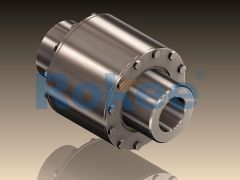
LXZ(HLL) Flexible Pin Coupling
LXZ(HLL) Flexible Pin Coupling is designed with a brake wheel, suitable for situations where braking is required.![Pump Pin Coupling,LX(HL) Flexible Pin Coupling]()
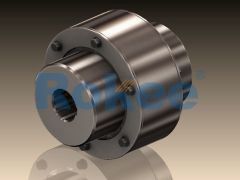
LX(HL) Flexible Pin Coupling
LX(HL) Flexible Pin Coupling is the basic form of this series of couplings.![Pump Pin Coupling,LZZ/ZLL Pin Gear Coupling]()
LZZ/ZLL Pin Gear Coupling
LZZ Pin Gear Coupling is designed with a brake wheel, suitable for situations where braking is required.![Pump Pin Coupling,LZD/ZLD Pin Gear Coupling]()
LZD/ZLD Pin Gear Coupling
One end of the LZD Pin Gear Coupling is designed with a conical shaft hole, and the clearance between the semi-couplings is increased to facilitate the fixing space at the shaft end.![Pump Pin Coupling,LZ/ZL Pin Gear Coupling]()
LZ/ZL Pin Gear Coupling
LZ Pin Gear Coupling is the basic form of this series of couplings.
In the realm of mechanical power transmission, couplings serve as critical components that bridge rotating shafts, enabling the seamless transfer of torque while accommodating misalignments and mitigating operational stresses. Among the diverse array of coupling types available, the pump pin coupling stands out for its simplicity, reliability, and adaptability to the specific demands of pumping systems. Pumping equipment, which plays an indispensable role in industries ranging from water treatment and agriculture to oil and gas and manufacturing, relies heavily on couplings that can withstand dynamic loads, handle varying speeds, and ensure consistent performance under harsh operating conditions.
To begin with, it is essential to define what a pump pin coupling is and how it differs from other coupling variants. A pump pin coupling is a type of rigid-flexible coupling designed specifically for use in pumping systems, where it connects the motor shaft to the pump impeller shaft. Unlike fully rigid couplings that offer no flexibility and require precise alignment, or highly flexible couplings that prioritize vibration dampening, pump pin couplings strike a balance between rigidity and flexibility. Their core design consists of two hubs—one attached to the motor shaft and the other to the pump shaft—connected by a series of pins and bushings. The pins are typically cylindrical and are inserted through corresponding holes in both hubs, with bushings (often made of elastomeric or composite materials) placed between the pins and the hub holes. This configuration allows for a limited degree of angular, parallel, and axial misalignment between the two shafts, which is crucial in pumping applications where thermal expansion, installation tolerances, or operational wear can lead to misalignment over time.
The design of pump pin couplings is optimized for the unique requirements of pumping systems, which are often characterized by high torque loads, cyclic operations, and exposure to moisture, chemicals, or abrasive particles. The two hubs are usually fabricated as one-piece or two-piece structures, depending on the installation requirements. One-piece hubs are slipped onto the shafts and secured with set screws or keyways, while two-piece hubs (also known as split hubs) are composed of two halves that are clamped around the shaft, eliminating the need to remove other components during installation or replacement—an important feature for large-scale pumping systems where shaft removal is time-consuming and costly. The pin and bushing assembly is the heart of the coupling’s flexibility; the bushings act as a buffer, absorbing shocks and vibrations generated by the motor or the pump, thereby reducing wear on both the coupling itself and the connected shafts, bearings, and seals.
Understanding the working principle of pump pin couplings is key to appreciating their effectiveness in power transmission. When the motor is activated, it generates torque that is transmitted to the motor-side hub. This torque is then transferred through the pins to the bushings, which in turn rotate the pump-side hub and drive the pump impeller. The bushings play a dual role here: they not only facilitate torque transfer but also allow for misalignment by deforming slightly under the forces exerted by the misaligned shafts. Angular misalignment (where the shafts are not colinear but intersect at a point) is accommodated by the bushing’s ability to pivot around the pins, while parallel misalignment (where the shafts are parallel but offset) is absorbed by the lateral deformation of the bushings. Axial misalignment (where the shafts move toward or away from each other) is handled by the length of the pins and the flexibility of the bushings, which can compress or extend slightly to accommodate the axial movement. Additionally, the bushings help to dampen vibrations and reduce noise, which is particularly beneficial in pumping systems that operate at high speeds for extended periods.
Material selection is a critical factor in determining the performance, durability, and suitability of pump pin couplings for specific applications. The choice of materials for the hubs, pins, and bushings depends on several factors, including the operating environment (temperature, moisture, chemicals), the torque load, the speed of rotation, and the level of wear expected. Hubs are typically made from metallic materials due to their high strength and rigidity. Common choices include carbon steel, alloy steel, and cast iron. Carbon steel is widely used for general-purpose pumping applications due to its good strength-to-weight ratio and cost-effectiveness. Alloy steel, which contains additional elements such as chromium, nickel, or molybdenum, offers enhanced strength, toughness, and resistance to corrosion and high temperatures, making it suitable for heavy-duty applications in the oil and gas or chemical industries. Cast iron is another option for low-to-medium torque applications, as it is durable, inexpensive, and has good damping properties that help reduce vibrations.
The pins, which bear the brunt of the torque transfer, are also typically made from high-strength metallic materials. Carbon steel or alloy steel pins are common, often heat-treated to enhance their hardness and wear resistance. In some cases, stainless steel pins are used in corrosive environments to prevent rust and degradation. The bushings, on the other hand, are usually made from non-metallic materials that offer flexibility, wear resistance, and vibration damping. Elastomeric materials such as natural rubber, nitrile rubber (NBR), and ethylene propylene diene monomer (EPDM) are popular choices. Natural rubber provides excellent flexibility and damping but has limited resistance to oil and high temperatures, making it suitable for clean water pumping applications. Nitrile rubber offers better oil and fuel resistance, making it ideal for pumping systems that handle petroleum products or industrial oils. EPDM is resistant to weathering, ozone, and a wide range of chemicals, making it suitable for outdoor applications or systems that handle corrosive fluids. In high-temperature or high-wear applications, composite materials such as phenolic resin or glass-reinforced plastic (GRP) may be used for the bushings, as they offer higher temperature resistance and longer service life than elastomeric materials.
Pump pin couplings find applications across a wide range of industries, owing to their versatility, reliability, and cost-effectiveness. One of the most common applications is in water and wastewater treatment plants, where they are used in centrifugal pumps, submersible pumps, and positive displacement pumps. These pumps are responsible for moving large volumes of water and wastewater, often under varying pressure conditions, and the pump pin coupling’s ability to accommodate misalignment and dampen vibrations ensures consistent performance and reduces maintenance downtime. In the agricultural sector, pump pin couplings are used in irrigation pumps, which are essential for watering crops and maintaining soil moisture. Agricultural pumping systems often operate in harsh outdoor conditions, exposed to dust, dirt, and temperature fluctuations, and the robust design of pump pin couplings makes them well-suited for these environments.
The oil and gas industry is another major user of pump pin couplings, where they are employed in pumps used for crude oil extraction, refining, and transportation. These pumps operate under high pressure, high temperature, and corrosive conditions, requiring couplings that are strong, durable, and resistant to wear and chemical degradation. Alloy steel hubs and stainless steel pins with EPDM or composite bushings are commonly used in these applications to ensure reliability and longevity. In the manufacturing industry, pump pin couplings are used in process pumps that handle chemicals, coolants, and other industrial fluids. These pumps are integral to production processes, and any downtime can result in significant losses, making the reliability of the coupling a critical factor.
Other applications of pump pin couplings include HVAC systems (where they are used in circulating pumps for heating and cooling), power generation plants (in feedwater pumps and condensate pumps), and marine applications (in shipboard pumping systems). In each of these applications, the pump pin coupling’s ability to balance rigidity and flexibility, accommodate misalignment, and withstand the specific environmental conditions makes it an ideal choice for power transmission.
Proper installation and maintenance are essential to ensure the optimal performance and long service life of pump pin couplings. Installation errors, such as improper alignment, incorrect tightening of fasteners, or use of damaged components, can lead to premature wear, increased vibration, and even coupling failure. The first step in proper installation is to ensure that the shafts are aligned as accurately as possible. While pump pin couplings can accommodate a limited degree of misalignment, excessive misalignment will put additional stress on the bushings and pins, leading to accelerated wear. Shaft alignment can be performed using tools such as dial indicators or laser alignment systems, which provide precise measurements of angular and parallel misalignment. Once the shafts are aligned, the hubs are secured to the shafts using set screws, keyways, or clamping bolts, ensuring that the connection is tight and secure.
The pin and bushing assembly should be installed carefully, ensuring that the bushings are properly seated in the hub holes and that the pins are inserted fully. It is important to use the correct size and type of bushings for the specific coupling and application, as using incorrect bushings can lead to excessive play, reduced torque transfer, and increased wear. After installation, the coupling should be inspected to ensure that there is no binding or excessive movement, and the pump and motor should be test-run to check for vibration, noise, and proper performance.
Regular maintenance is crucial to prevent coupling failure and ensure the continued reliability of the pumping system. Maintenance activities should include periodic inspections, lubrication (if required), and replacement of worn components. Inspections should be conducted at regular intervals (depending on the operating conditions and the manufacturer’s recommendations) to check for signs of wear, such as worn bushings, bent or damaged pins, cracks in the hubs, or loose fasteners. Vibration analysis can also be used to detect early signs of coupling wear or misalignment, as increased vibration is often an indicator of a problem.
Lubrication is necessary for some pump pin couplings, particularly those with metallic bushings, to reduce friction and wear. The type and frequency of lubrication depend on the coupling design and the operating environment; it is important to follow the manufacturer’s recommendations to avoid over-lubrication or under-lubrication, both of which can lead to problems. Worn components, such as bushings or pins, should be replaced promptly to prevent further damage to the coupling and the connected shafts, bearings, and seals. When replacing components, it is important to use genuine or equivalent parts to ensure compatibility and maintain the coupling’s performance.
Looking ahead, the development of pump pin couplings is likely to be driven by advancements in materials science, improvements in manufacturing processes, and the growing demand for more efficient and reliable pumping systems. One of the key trends is the development of high-performance materials for bushings, such as advanced elastomers and composites that offer better temperature resistance, wear resistance, and chemical compatibility than traditional materials. These materials will enable pump pin couplings to be used in more extreme operating conditions, such as high-temperature applications in the oil and gas industry or highly corrosive environments in the chemical industry.
Another trend is the adoption of additive manufacturing (3D printing) for the production of pump pin coupling components. Additive manufacturing allows for the creation of complex geometries that are difficult or impossible to produce with traditional manufacturing methods, enabling the design of couplings that are lighter, stronger, and more efficient. Additionally, additive manufacturing can reduce lead times and production costs, particularly for custom or low-volume couplings. The use of sensors and condition monitoring technologies is also expected to increase, allowing for real-time monitoring of coupling performance, early detection of wear or misalignment, and predictive maintenance. This will help to reduce downtime, lower maintenance costs, and improve the overall reliability of pumping systems.
In conclusion, pump pin couplings are essential components in modern pumping systems, providing a reliable and efficient means of power transmission while accommodating misalignments and mitigating operational stresses. Their simple yet robust design, combined with the ability to adapt to a wide range of operating conditions, makes them suitable for applications across numerous industries, from water treatment and agriculture to oil and gas and manufacturing. Proper material selection, installation, and maintenance are critical to ensuring their optimal performance and long service life. As materials science and manufacturing technologies continue to advance, pump pin couplings are likely to become even more efficient, durable, and versatile, further enhancing their role in the global industrial landscape. Whether in a small agricultural irrigation pump or a large-scale oil refinery pump, the pump pin coupling remains a vital link in the chain of mechanical power transmission, ensuring that pumping systems operate smoothly, efficiently, and reliably.
« Pump Pin Coupling » Post Date: 2023/10/8
URL: https://www.rokeecoupling.com/en/blog/pump-pin-coupling.html
Tags: Pin Couplings, Crown Pin Couplings, Bush Pin Coupling, Flexible Pin Coupling, Bushed Pin Couplings, pu sandwich panel line
- Size Chart of Bush Pin Couplings
- Presser Pin Couplings
- Bush Pin Couplings Company
- Induced Draft Fan Nylon Pin Couplings
- Brake Wheel Type Rigid Pin Couplings
- Brake Wheel Elastic Pin Couplings Company
- Brake Wheel Column Pin Couplings Price
- Stiffness of Crown Pin Coupling
- Working Principle of Crown Pin Coupling
- Gap Chart of Crown Pin Couplings