Elastic Claw Couplings
Rokee® is a Elastic Claw Couplings Supplier from China, customized elastic claw couplings according to the drawings which provided by the customer, selling chinese national standard elastic claw couplings, support export, due to excellent quality, complete technical services and superior cost performance, Rokee® industrial coupling have been serving more than 60 countries and regions in the world, effectively operating in many corners of the world.
Flexible Couplings are one of the major types of couplings. They find use to connect two shafts, end-to-end in the same line to transmit power that is torque from one shaft to another, thereby causing both to rotate in unison, at the same rpm.
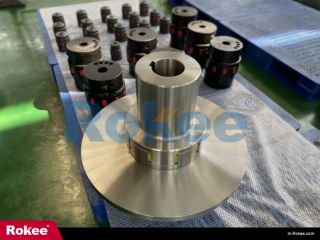


The purpose of a Elastic Coupling is to transmit torque from one piece of rotating equipment to another, while accepting at the same time a small amount of misalignment. Flexible coupling misalignment is expressed, as an order of magnitude, in thousandths of an inch. Actual misalignment, expressed in coupling terms, is angular in nature and expressed in angular units, that is, degrees. How much misalignment is a function of the coupling type and installation. An installation variable is the equipment movement due to the temperature changes taking place in the machines as they go from the non-operating state to operation. Some angular values will be used in the discussion of the various types, but, again, these are for reference only. Each application must be reviewed using the type of coupling selected and the specific design proposed by the vendor.
The plum coupling is composed of two semi-couplings with convex claws and a plum-shaped flexible non-metallic element whose hardness can be adjusted. By embedding the plum-shaped flexible element into the two semi-couplings to realize the connection, it has the characteristics of compensating the relative displacement of the two axes, reducing vibration and buffering, simple structure and easy maintenance without lubrication.
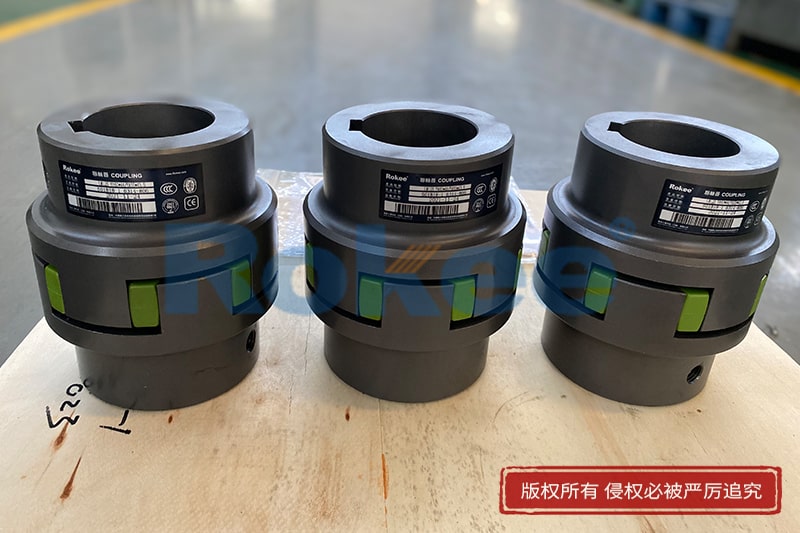
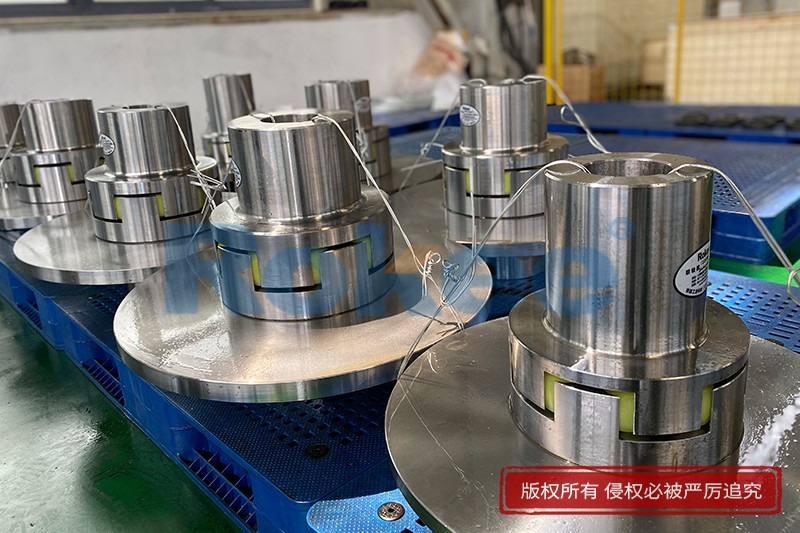
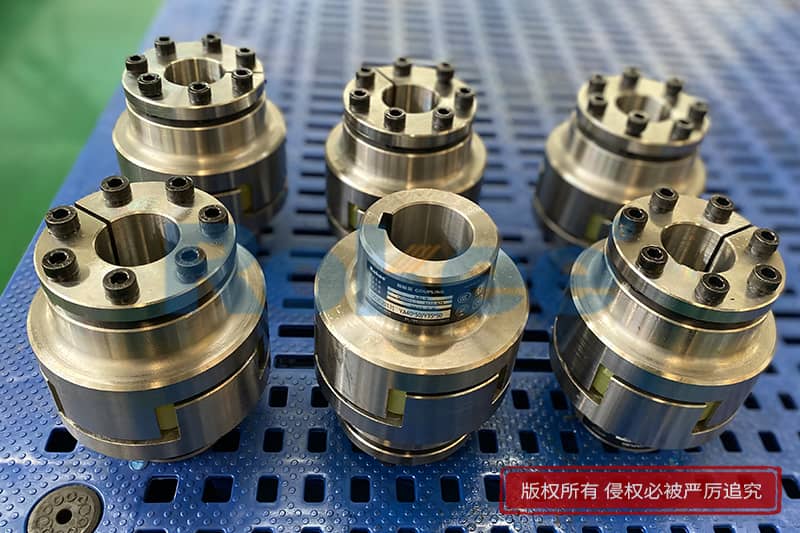
Flexible plum blossom coupling is made up of semi-shaft coupling with the same protruding claw and flexible component.utilizing the plum blossom elastic component put between the protruding claw and two half shaft coupling.in order to realize the connection of two semiaxis devices.
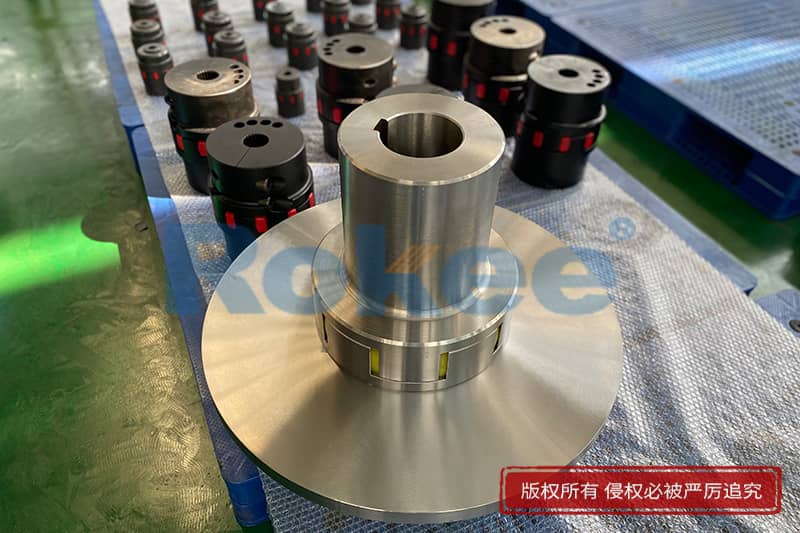

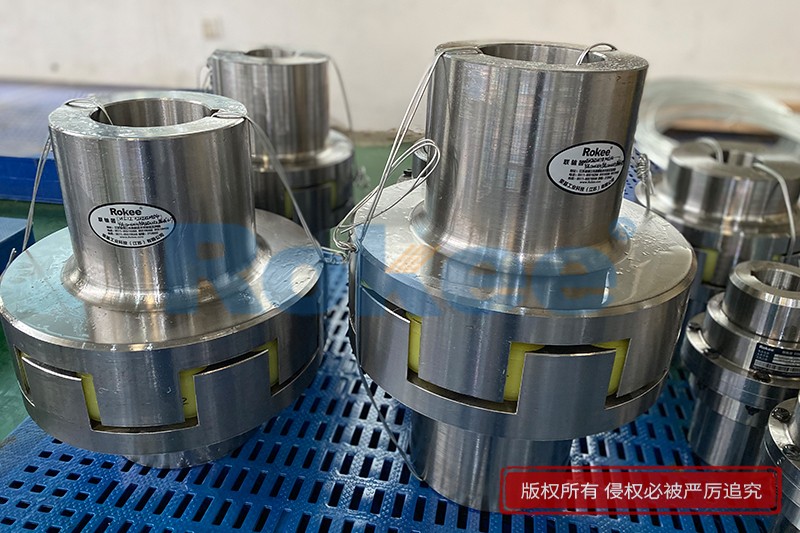
Jaw coupling has compensating by two axle to be relative skew,reducing shaking buffering.smaller diameter simple structure.without lubricating.bearing large capacity,and convenient repair But the semi-shaft coupling needs to move along the axial while changing the elastic component.

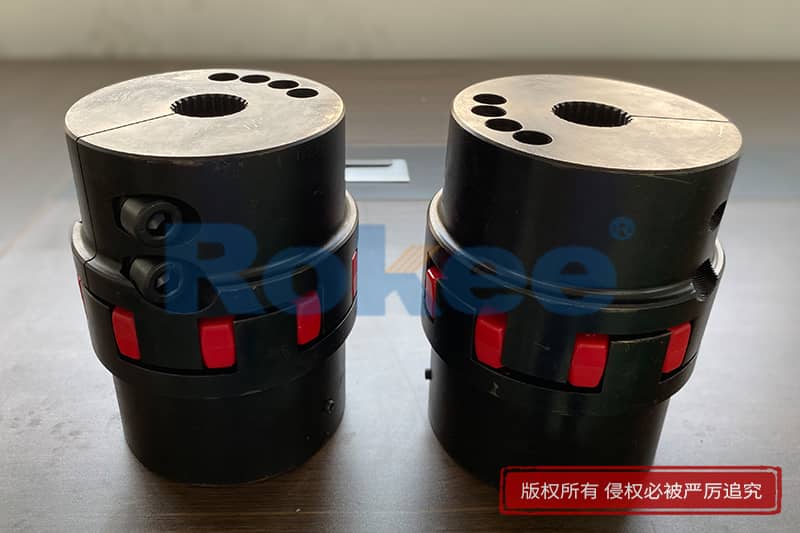
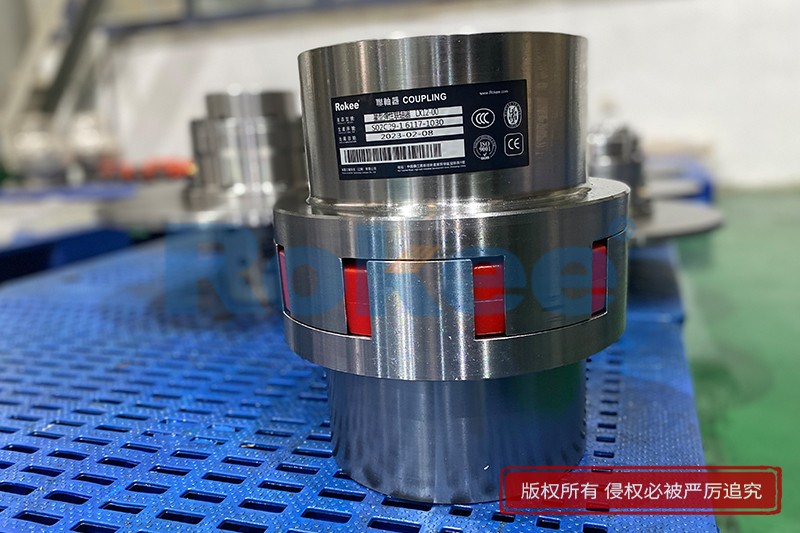
Claw coupling is suitable for two with axis,start frequent,positive and negative change,low-speed and medium speed.medium and small powerrotate axle department,requiring working dependability high working position;it is not suitable for the heavily loaded and restricted axial in size.Two axis put in the difficult position after exchange of flexible component.
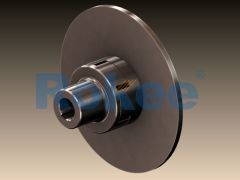
![Elastic Claw Couplings,LMPK Plum-shaped Flexible Coupling]()
LMPK Plum-shaped Flexible Coupling
LMPK Plum-shaped Flexible Coupling adopts split brake disc design, suitable for situations where braking is required and eliminating the need of axially moving the semi-coupling when replacing the elastomer.![Elastic Claw Couplings,LMZ-II Plum-shaped Flexible Coupling]()
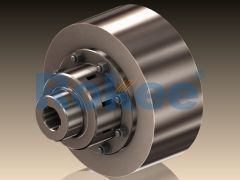
LMZ-II Plum-shaped Flexible Coupling
LMZ-II Plum-shaped Flexible Coupling adopts integral brake wheel design, suitable for situations where braking is required.![Elastic Claw Couplings,LMZ-I Plum-shaped Flexible Coupling]()
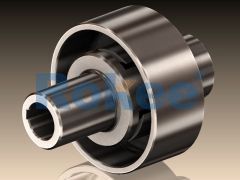
LMZ-I Plum-shaped Flexible Coupling
LMZ-I Plum-shaped Flexible Coupling adopts split brake wheel design, suitable for situations where braking is required.![Elastic Claw Couplings,LMS Plum-shaped Flexible Coupling]()
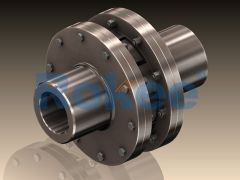
LMS Plum-shaped Flexible Coupling
LMS Plum-shaped Flexible Coupling adopts double transition flange connection, which eliminates the need of axially moving the semi-coupling when replacing the elastomer.![Elastic Claw Couplings,LMD Plum-shaped Flexible Coupling]()
LMD Plum-shaped Flexible Coupling
LMD Plum-shaped Flexible Coupling is added with transition connection, which eliminates the need of axially moving the semi-coupling when replacing the elastomer.![Elastic Claw Couplings,LM Plum-shaped Flexible Coupling]()
LM Plum-shaped Flexible Coupling
LM Plum-shaped Flexible Coupling is the basic form of this series of couplings.
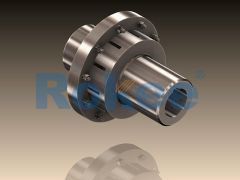
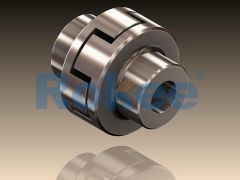
In the realm of mechanical power transmission, couplings play an indispensable role as components that connect two shafts to transmit torque while accommodating various forms of misalignment. Among the diverse types of couplings available, the elastic claw coupling has emerged as a preferred choice in numerous industrial settings due to its unique combination of flexibility, simplicity, and cost-effectiveness.
The fundamental function of any coupling is to ensure the smooth transfer of rotational power from a driving shaft (typically connected to a motor or engine) to a driven shaft (connected to a pump, fan, conveyor, or other working machinery). While rigid couplings excel in applications requiring high precision and zero misalignment, they lack the ability to compensate for axial, radial, or angular misalignments that are common in real-world operating conditions. These misalignments, if not addressed, can lead to increased wear on bearings, shafts, and other components, reduced operational efficiency, and even catastrophic failures. Elastic couplings, including the claw-type variant, address this issue by incorporating an elastic element that absorbs misalignments and dampens vibrations, thereby enhancing the reliability and lifespan of the entire power transmission system.
Structural Characteristics of Elastic Claw Couplings
The elastic claw coupling features a relatively simple yet robust design, consisting of three core components: two claw-shaped hubs, an elastic element (often referred to as a spider or insert), and in some cases, fastening bolts or keys for secure installation. Each of these components plays a critical role in the overall performance of the coupling.
The two claw-shaped hubs are typically manufactured from metal materials and are designed to attach to the driving and driven shafts, respectively. The hubs are characterized by a series of evenly spaced "claws" or projections that extend outward from the central shaft connection point. The number of claws can vary depending on the application requirements, with common configurations ranging from 3 to 6 claws. The shape and dimensions of the claws are precisely engineered to mesh with the elastic element, ensuring a secure fit that allows for efficient torque transmission while accommodating misalignment. The central portion of each hub is machined to match the diameter of the respective shaft, with options for keyway connections, set screws, or shrink-fit installations to ensure a tight and slip-free connection.
The elastic element, which is the defining feature of the elastic claw coupling, is positioned between the two claw-shaped hubs, fitting into the spaces between the claws of each hub. This element is typically made from rubber, polyurethane, or other elastic polymers, and its shape is complementary to the claws of the hubs, creating a positive engagement that transmits torque. The elastic element may also feature grooves or notches to enhance its flexibility and vibration-damping capabilities. In some designs, the elastic element is reinforced with fabric or fiber materials to improve its tensile strength and durability, allowing it to withstand higher torque loads without deformation or failure.
Fastening components, such as bolts or pins, are used to secure the hubs to the shafts. For keyway connections, a metal key is inserted into a groove (keyway) machined into both the shaft and the hub, preventing relative rotation between the two components. Set screws, which are threaded bolts that pass through the hub and press against the shaft, provide an alternative method of securing the hub to the shaft, offering ease of installation and removal without the need for machining a keyway. The choice of fastening method depends on factors such as the torque load, shaft diameter, and installation requirements.
Working Principles of Elastic Claw Couplings
The operation of an elastic claw coupling is based on the interaction between the claw-shaped hubs and the elastic element. When the driving shaft rotates, it imparts rotational force to the corresponding hub. The claws of this hub press against the elastic element, transferring the torque to the elastic element. The elastic element then transmits this torque to the claws of the driven hub, causing the driven shaft to rotate. This torque transmission process is efficient because the positive engagement between the claws and the elastic element minimizes slip, ensuring that most of the rotational power is transferred from the driving to the driven shaft.
A key aspect of the elastic claw coupling's functionality is its ability to accommodate misalignments between the driving and driven shafts. Axial misalignment occurs when the shafts are offset along their central axes, while radial misalignment refers to a lateral offset between the two shafts. Angular misalignment, on the other hand, occurs when the shafts are not perfectly colinear, forming an angle with each other. The elastic element absorbs these misalignments by deforming elastically as the shafts rotate. For example, during radial misalignment, the elastic element compresses on one side and stretches on the other, allowing the hubs to rotate without binding. Similarly, angular misalignment is accommodated by the elastic deformation of the element, which bends slightly to compensate for the angle between the shafts. This elastic deformation not only prevents damage to the shafts and bearings but also reduces the transmission of vibrations from the driving shaft to the driven shaft.
Another important working principle of the elastic claw coupling is vibration damping. Mechanical systems, particularly those with rotating components, generate vibrations due to imbalances, uneven load distribution, or the operation of the driving motor. These vibrations can be detrimental to the performance and lifespan of the machinery, causing noise, wear, and fatigue in components. The elastic element of the claw coupling acts as a vibration absorber, converting the kinetic energy of the vibrations into heat energy, which is then dissipated. This damping effect reduces the amplitude of the vibrations transmitted through the coupling, resulting in smoother operation, reduced noise levels, and increased comfort for operators, as well as extended lifespan for the entire power transmission system.
Material Selection for Elastic Claw Couplings
The performance and durability of an elastic claw coupling are heavily dependent on the materials used for its components. The selection of materials is influenced by factors such as the application's torque requirements, operating temperature, environmental conditions, and desired lifespan.
For the claw-shaped hubs, metal materials are the most common choice due to their high strength, rigidity, and ability to withstand high torque loads. Carbon steel and alloy steel are widely used for general industrial applications, as they offer a good balance of strength and cost-effectiveness. Carbon steel hubs are suitable for low to medium torque applications, while alloy steel hubs, which are reinforced with elements such as chromium, nickel, or molybdenum, are used for high-torque applications that require enhanced strength and wear resistance. In applications where corrosion resistance is a concern, such as those in marine environments or chemical processing plants, stainless steel hubs are preferred. Stainless steel offers excellent resistance to rust and chemical corrosion, ensuring the coupling's performance even in harsh environments. In some cases, aluminum alloy hubs may be used for lightweight applications, such as in aerospace or automotive systems, where reducing the overall weight of the machinery is a priority.
The elastic element is typically made from elastic polymers, with rubber and polyurethane being the most commonly used materials. Rubber, such as natural rubber or synthetic rubber (e.g., nitrile rubber, neoprene), is known for its excellent elasticity, vibration-damping capabilities, and resistance to wear. Natural rubber offers good flexibility and low cost, making it suitable for general-purpose applications. Synthetic rubbers, however, offer enhanced properties such as resistance to oil, heat, and chemicals, making them ideal for specialized applications. For example, nitrile rubber is resistant to oil and fuel, making it suitable for use in automotive and industrial applications where the coupling may come into contact with these substances. Neoprene rubber offers good resistance to heat, ozone, and weathering, making it suitable for outdoor applications.
Polyurethane is another popular material for the elastic element, offering several advantages over rubber. Polyurethane has higher tensile strength, better wear resistance, and a higher load-bearing capacity than rubber, making it suitable for high-torque applications. It also has a longer lifespan than rubber, particularly in applications with high levels of friction or repeated cycles of deformation. Additionally, polyurethane is resistant to oil, grease, and many chemicals, making it a versatile choice for various industrial environments. However, polyurethane is less flexible than rubber and may not offer the same level of vibration damping, so it is often used in applications where rigidity and durability are prioritized over maximum vibration absorption.
Key Advantages of Elastic Claw Couplings
Elastic claw couplings offer a range of advantages that make them a popular choice in numerous industrial applications. One of the primary advantages is their ability to accommodate multiple types of misalignment (axial, radial, and angular), which is crucial in real-world operating conditions where perfect shaft alignment is often difficult to achieve and maintain. By absorbing these misalignments, the coupling reduces wear on shafts, bearings, and other components, thereby extending the lifespan of the machinery and reducing maintenance costs.
Another significant advantage is their excellent vibration-damping capabilities. The elastic element effectively absorbs vibrations generated by the driving motor or other rotating components, reducing noise levels and minimizing the impact of vibrations on the driven machinery. This not only improves the comfort of operators but also prevents fatigue damage to the mechanical system, enhancing overall reliability.
Elastic claw couplings are also known for their simple and compact design. The relatively few components make them easy to manufacture, install, and maintain. Installation typically involves attaching the two hubs to the respective shafts and inserting the elastic element between the claws, a process that can be completed quickly with basic tools. Maintenance requirements are minimal, often limited to periodic inspection of the elastic element for signs of wear or damage and replacing it when necessary. This simplicity and ease of maintenance translate to lower installation and operational costs, making them an economical choice for many applications.
Additionally, these couplings offer good torque-transmission efficiency. The positive engagement between the claws of the hubs and the elastic element ensures that most of the rotational power is transferred from the driving to the driven shaft, with minimal slip. This high efficiency is particularly important in applications where energy conservation is a priority, as it reduces power loss and improves the overall performance of the machinery.
Elastic claw couplings are also highly versatile, with a wide range of sizes and configurations available to suit different shaft diameters, torque requirements, and application conditions. They can be customized to meet specific requirements, such as high-temperature resistance, corrosion resistance, or high-torque capacity, making them suitable for use in a diverse range of industries.
Application Scenarios of Elastic Claw Couplings
Due to their unique combination of advantages, elastic claw couplings find applications in a wide range of industries and mechanical systems. One of the most common application areas is in general industrial machinery, such as pumps, fans, compressors, and conveyors. In these applications, the coupling's ability to accommodate misalignments and dampen vibrations is crucial, as it ensures the smooth and reliable operation of the machinery. For example, in a pump system, the motor and pump shafts may experience slight misalignments due to installation errors or thermal expansion, and the elastic claw coupling absorbs these misalignments, preventing damage to the pump's bearings and impeller.
The automotive industry also makes extensive use of elastic claw couplings, particularly in powertrain systems. They are used to connect the engine to the transmission, drive shaft, or other components, where they accommodate misalignments and dampen vibrations generated by the engine. The compact design and high torque-transmission efficiency of these couplings make them suitable for use in cars, trucks, and other vehicles, where space is often limited and performance is critical.
Agricultural machinery is another important application area for elastic claw couplings. Agricultural equipment such as tractors, harvesters, and irrigation pumps often operates in harsh and uneven terrain, leading to significant shaft misalignments. The elastic claw coupling's ability to absorb these misalignments and withstand the rigors of outdoor operation makes it an ideal choice for these applications. Additionally, the coupling's vibration-damping capabilities reduce operator fatigue, which is important for long hours of operation in agricultural settings.
In the renewable energy sector, elastic claw couplings are used in wind turbines and solar tracking systems. In wind turbines, the coupling connects the generator to the gearbox or directly to the rotor shaft, accommodating misalignments caused by wind loads and thermal expansion. The vibration-damping capabilities of the coupling are also important in wind turbines, as they reduce the impact of wind-induced vibrations on the generator and other components. In solar tracking systems, the coupling connects the motor to the tracking mechanism, ensuring precise and smooth movement of the solar panels to follow the sun.
Other application areas include textile machinery, printing machinery, and food processing equipment. In textile machinery, such as spinning and weaving machines, the coupling's ability to dampen vibrations ensures the smooth operation of the machinery, which is crucial for producing high-quality textiles. In printing machinery, the coupling's precise torque transmission and vibration damping help to maintain the accuracy of the printing process. In food processing equipment, such as mixers and conveyors, the coupling's easy maintenance and corrosion-resistant materials (when required) make it suitable for use in clean and hygienic environments.
Maintenance Considerations for Elastic Claw Couplings
While elastic claw couplings are relatively low-maintenance components, proper maintenance is essential to ensure their optimal performance and extend their lifespan. The key maintenance considerations include periodic inspection, replacement of the elastic element, and proper lubrication (if required).
Periodic inspection is the most important maintenance task for elastic claw couplings. Inspections should be conducted at regular intervals, depending on the application and operating conditions. During inspection, the coupling should be checked for signs of wear, damage, or misalignment. The elastic element should be inspected for cracks, tears, hardening, or deformation, as these are indicators of wear and may reduce the coupling's performance. The claw-shaped hubs should be checked for signs of wear on the claw surfaces, as well as for loose fastening components (such as bolts or set screws). If any signs of wear or damage are detected, the affected components should be replaced immediately to prevent further damage to the coupling or the connected machinery.
The elastic element is the component that is most prone to wear and should be replaced periodically, even if no visible signs of damage are present. The lifespan of the elastic element depends on factors such as the material, operating temperature, torque load, and frequency of misalignment. In general, rubber elastic elements have a shorter lifespan than polyurethane elements and may need to be replaced more frequently. When replacing the elastic element, it is important to select a replacement that is compatible with the coupling's design and specifications, as using an incompatible element can lead to reduced performance or premature failure.
Proper lubrication is another important maintenance consideration for some types of elastic claw couplings. While many couplings do not require lubrication, those with metal-on-metal contact points (such as keyway connections) may benefit from periodic lubrication to reduce friction and wear. The type of lubricant used should be compatible with the materials of the coupling components and the operating conditions. For example, in high-temperature applications, a high-temperature lubricant should be used to prevent the lubricant from breaking down. It is important to avoid over-lubrication, as excess lubricant can attract dirt and debris, which can cause additional wear.
In addition to periodic inspection and maintenance, proper installation is crucial for ensuring the optimal performance and lifespan of elastic claw couplings. During installation, the shafts should be aligned as accurately as possible to minimize the amount of misalignment that the coupling needs to accommodate. The hubs should be securely fastened to the shafts using the appropriate method (keyway, set screws, etc.), and the elastic element should be properly seated between the claws of the hubs. Improper installation can lead to increased wear, reduced performance, and premature failure of the coupling.
Conclusion
The elastic claw coupling is a versatile and reliable component in mechanical power transmission systems, offering a unique combination of flexibility, simplicity, and cost-effectiveness. Its simple yet robust design, which consists of two claw-shaped hubs and an elastic element, allows it to accommodate axial, radial, and angular misalignments, dampen vibrations, and transmit torque efficiently. The selection of materials for the hubs and elastic element is critical to the coupling's performance, with metal hubs providing strength and rigidity and elastic polymers offering flexibility and vibration-damping capabilities.
The key advantages of elastic claw couplings, including their ability to accommodate misalignments, excellent vibration-damping capabilities, simple design, high torque-transmission efficiency, and versatility, make them suitable for a wide range of applications in industries such as general manufacturing, automotive, agriculture, renewable energy, and food processing. Proper maintenance, including periodic inspection, replacement of the elastic element, and proper lubrication, is essential to ensure the coupling's optimal performance and extend its lifespan.
As industrial machinery becomes increasingly complex and demanding, the role of elastic claw couplings in ensuring reliable and efficient power transmission will continue to be important. Advances in material science and manufacturing technology are likely to further improve the performance and durability of these couplings, making them even more suitable for a wider range of applications. Whether in a small pump system or a large wind turbine, the elastic claw coupling remains a critical component that contributes to the smooth and reliable operation of mechanical systems around the world.
« Elastic Claw Couplings » Post Date: 2023/12/26
URL: https://www.rokeecoupling.com/en/blog/elastic-claw-couplings.html