Brake Drum Couplings
Rokee® is a Brake Drum Couplings Supplier from China, customized brake drum couplings according to the drawings which provided by the customer, selling chinese national standard brake drum couplings, support export, due to excellent quality, complete technical services and superior cost performance, Rokee® industrial coupling have been serving more than 60 countries and regions in the world, effectively operating in many corners of the world.
The drum coupling is the crane drum coupling. The internal sphere gear sleeve is assembled with the external drum perfectly. Relying on the specially designed key, the external sphere shaft sleeve forms the entirety with gear sleeve perfectly. It will promote the reliable connection of reducer shaft and drum and it is the most ideal product in the market home and abroad at present.
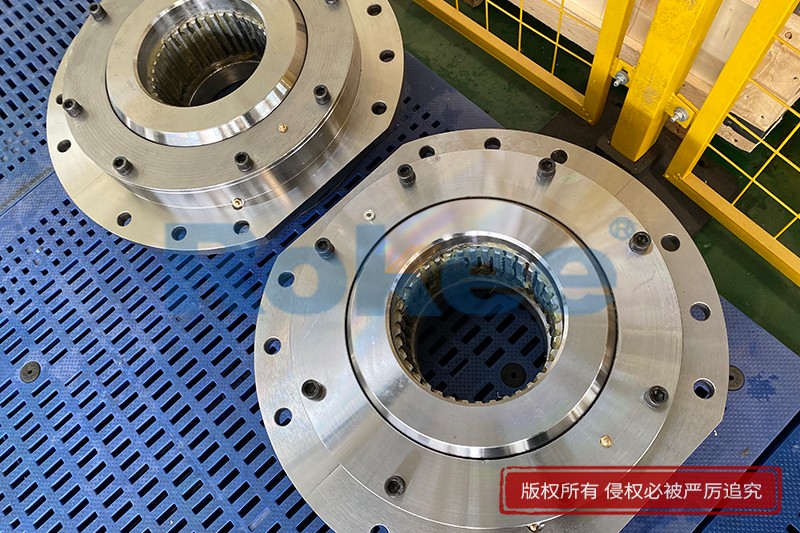
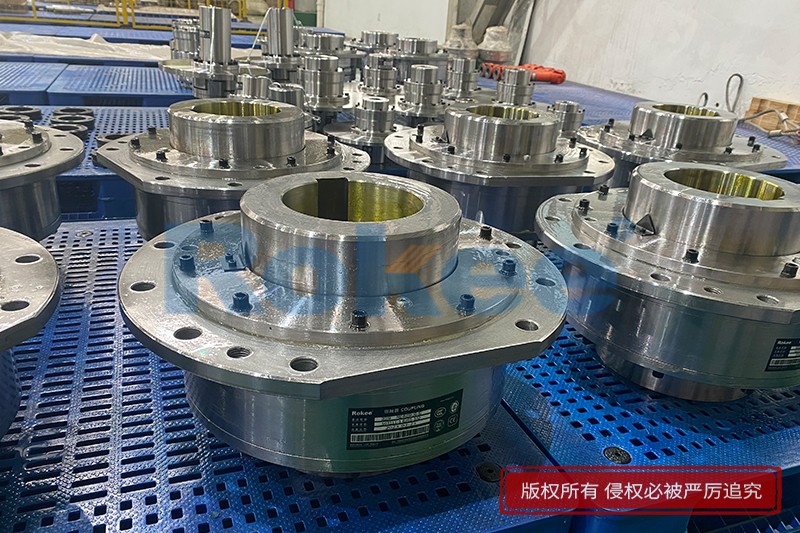
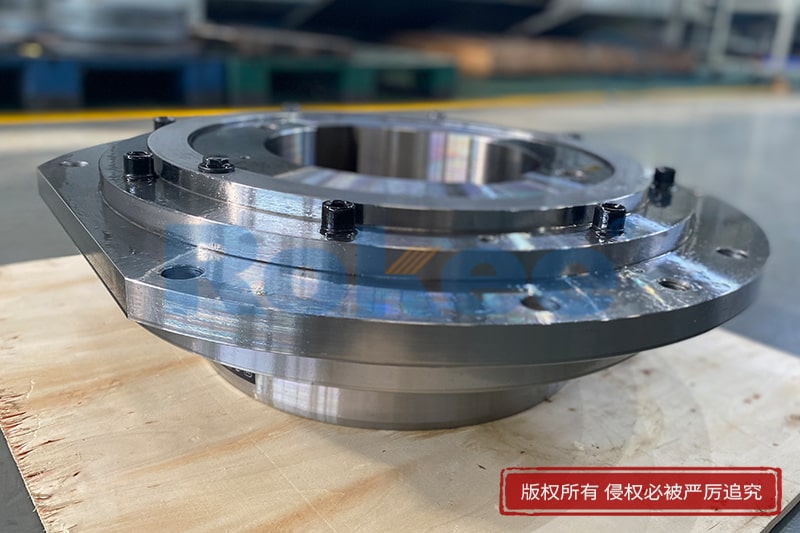
RWC series drum coupling is a type of high-performance drum coupling developed by us and mainly applied for port lifting and large mechanical lifting. In comparison with international DC series products, it has identical outline and connection size, but its interior design is more thorough and steady. The hook face of gear is optimized and the large pressure angle design is applied. A patented mechanism is used for the sealing. One-time filling of lubricating grease is basically free from maintenance, solving maintenance difficulty at heights. In addition, an electronic warning device is set. When the wear life reaches the safe position, the weak current connection will trigger the alarm immediately. It’s a good choice for you!
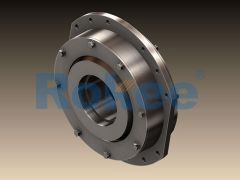
![Brake Drum Couplings,RWC Ball And Drum Gear Drum Coupling]()
RWC Ball And Drum Gear Drum Coupling
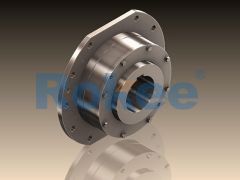
The ball and drum gear drum coupling is a drum coupling developed by Rokee with a more reliable structure, higher compensation ability and higher safety factor. The outer sleeve adopts a spherical drum tooth design, which has low requirements for shafting installation accuracy, large transmission torque, strong overload capacity and can withstand great radial load. The connection size is the same as that of DC series, but the bearing capacity is increased by more than 30%. The innovative spherical sealing technology makes this type of product maintain excellent lubrication and greatly improve its service life.![Brake Drum Couplings,WZL Drum Coupling]()
WZL Drum Coupling
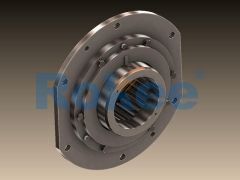
WZL Drum Coupling is a spherical hinged coupling. It has a connecting flange with an inner spherical surface, a spherical semi-coupling sleeve with an outer spherical surface, a special transmission key, an inner and outer limit cover, etc. The internal control generally adopts the splined sleeve design, which transmits torque through a specially designed key bar and can withstand large torque and radial load. The maximum angular displacement compensation can reach 3°, with a life indicator and safe and reliable structure.![Brake Drum Couplings,DC Drum Coupling]()
DC Drum Coupling
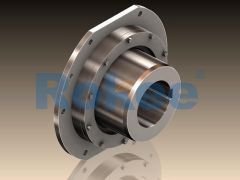
DC Drum Coupling is designed with drum teeth, which is used for connecting the reducer of crane transmission system with the drum. It can bear radial load and transfer large torque, but cannot transfer axial load.![Brake Drum Couplings,WJ Drum Coupling]()
WJ Drum Coupling
WJ Drum Coupling is a spherical roller coupling, which is composed of jacket with connecting flange, spherical roller, semi-coupling, inner and outer cover plate and sealing system, capable of transmitting large torque and bearing radial load.![Brake Drum Couplings,WJA Drum Coupling]()
WJA Drum Coupling
WJA Drum Coupling is a spherical roller coupling, which is composed of jacket with connecting flange, spherical roller, semi-coupling, inner and outer cover plate and sealing system, capable of transmitting large torque and bearing radial load. The connection between the coupling and the output shaft of the reducer adopts an involute spline pair design.
In the realm of mechanical power transmission systems, couplings serve as critical components that bridge rotating shafts, enabling the seamless transfer of torque while accommodating misalignments and mitigating operational stresses. Among the diverse array of coupling types available, the brake drum coupling stands out for its unique integration of torque transmission and braking capabilities, making it a versatile solution for numerous industrial applications.
To begin with, it is essential to define what a brake drum coupling is and how it differs from conventional couplings. A brake drum coupling is a type of flexible coupling that incorporates a drum-shaped component (the brake drum) into its structure, which can be engaged with brake shoes or pads to initiate a braking action. Unlike standard couplings that solely focus on torque transfer, this hybrid component combines two essential functions: transmitting power between shafts and providing a means to stop or slow down the connected machinery. This dual functionality eliminates the need for separate braking systems in many applications, simplifying the overall design of the mechanical setup, reducing space requirements, and lowering installation and maintenance costs.
The design of a brake drum coupling is a carefully engineered balance of flexibility, torque-bearing capacity, and braking efficiency. Typically, the coupling consists of several core components: the brake drum, input and output hubs, flexible elements (such as rubber bushes, elastomeric pads, or grid springs), fasteners (bolts, nuts, and pins), and in some cases, a housing or guard for protection. The brake drum itself is a cylindrical structure, usually made from high-strength steel or cast iron, which is attached to one of the coupling hubs—most commonly the output hub connected to the driven machinery. The inner surface of the drum is machined to a smooth finish to ensure optimal contact with the brake shoes, facilitating effective braking force transmission.
The hubs of the brake drum coupling are designed to fit snugly onto the input and output shafts, with keyways or splines often used to prevent slippage during torque transmission. The choice of hub material is typically dictated by the application's torque requirements; for light to medium-duty applications, aluminum or cast iron hubs may be sufficient, while heavy-duty industrial settings demand high-strength steel hubs to withstand elevated torque levels and mechanical stresses. The flexible elements are the heart of the coupling's ability to accommodate misalignments—parallel, angular, or axial—between the connected shafts. These elements are strategically placed between the hubs and the brake drum, absorbing vibrations and shocks that occur during operation, thereby protecting the shafts, bearings, and other downstream components from premature wear and failure.
The working principle of a brake drum coupling can be divided into two primary modes: torque transmission and braking. During normal operation (torque transmission mode), power from the driving shaft (e.g., from an electric motor or internal combustion engine) is transferred to the input hub of the coupling. This power is then transmitted through the flexible elements to the brake drum and subsequently to the output hub, which drives the driven machinery (such as pumps, compressors, conveyors, or mixers). The flexible elements play a crucial role here, allowing for minor misalignments between the shafts without compromising the efficiency of torque transfer. They also act as vibration dampeners, reducing the noise and mechanical stress generated by the rotating components.
When braking is required, the braking system (integrated or external) is activated, causing the brake shoes or pads to press against the inner surface of the brake drum. The friction generated between the brake shoes and the drum creates a braking torque that opposes the rotational motion of the coupling and the connected shafts. This braking torque slows down or stops the rotation of the driven machinery, depending on the application's requirements. The effectiveness of the braking action is determined by several factors, including the coefficient of friction between the brake shoes and the drum, the applied force on the shoes, the surface area of contact, and the diameter of the brake drum. Larger drum diameters and higher friction coefficients result in greater braking torque, making the coupling suitable for applications that require rapid deceleration or frequent stopping.
One of the key advantages of brake drum couplings is their compact and integrated design. By combining torque transmission and braking functions into a single component, these couplings eliminate the need for separate brake assemblies, which can be bulky and require additional installation space. This compactness is particularly beneficial in applications where space is limited, such as in small industrial machinery, automotive drivetrains, or mobile equipment. Additionally, the integrated design reduces the number of components in the system, simplifying assembly and reducing the risk of component failure due to misalignment or compatibility issues between separate coupling and braking systems.
Another significant advantage is their ability to dampen vibrations and absorb shocks. The flexible elements in the coupling act as a buffer between the driving and driven shafts, reducing the transmission of vibrations caused by imbalances in the rotating components or fluctuations in the power source. This vibration damping not only improves the comfort and safety of the operating environment but also extends the service life of the machinery by minimizing wear on bearings, gears, and other critical components. Furthermore, the shock absorption capability makes brake drum couplings suitable for applications with intermittent or variable loads, such as in construction equipment or material handling systems, where sudden changes in torque can occur.
Brake drum couplings also offer excellent torque transmission efficiency. When properly sized and installed, they can transmit high levels of torque with minimal power loss, ensuring that the majority of the power from the driving shaft is effectively transferred to the driven machinery. This efficiency is particularly important in energy-intensive applications, where reducing power loss can lead to significant cost savings over time. Additionally, the ability to accommodate misalignments between shafts further enhances their efficiency, as misalignments in rigid couplings can cause excessive friction and power loss, as well as increased wear on the shafts and bearings.
The versatility of brake drum couplings is another notable feature, as they can be adapted to a wide range of applications across various industries. In the automotive industry, for example, they are commonly used in the drivetrains of light commercial vehicles, agricultural tractors, and off-road equipment, where the integrated braking and torque transmission functions are essential for efficient operation. In industrial settings, they find applications in pumps, compressors, fans, conveyors, and mixers, where reliable torque transfer and the ability to stop the machinery quickly are critical for safety and productivity. They are also used in renewable energy systems, such as small wind turbines and hydroelectric generators, where they help to transmit power from the rotor to the generator while providing a means to stop the system for maintenance or in emergency situations.
In addition to their industrial and automotive applications, brake drum couplings are also used in marine equipment, such as small boats and yachts, where space is at a premium and reliable braking is essential for maneuvering. They are also employed in mining equipment, such as small conveyors and pumps, where the harsh operating conditions demand robust components that can withstand high levels of stress and vibration. The adaptability of these couplings is further enhanced by the availability of different sizes, configurations, and materials, allowing them to be tailored to the specific requirements of each application.
Despite their numerous advantages, brake drum couplings require proper maintenance to ensure optimal performance and longevity. Regular inspection and maintenance practices are essential to identify potential issues before they escalate into major failures. One of the key maintenance tasks is checking the condition of the flexible elements, as these components are prone to wear and degradation over time due to constant vibration, heat, and mechanical stress. Signs of wear in the flexible elements include cracks, tears, hardening, or excessive deformation. If these signs are present, the flexible elements should be replaced promptly to prevent loss of flexibility, increased vibration transmission, and potential damage to other components.
Another important maintenance task is inspecting the brake drum and brake shoes for wear and damage. The inner surface of the brake drum should be checked for scoring, grooving, or uneven wear, which can reduce the contact area between the drum and the shoes, compromising braking efficiency. If the drum is severely worn or damaged, it may need to be machined or replaced. Similarly, the brake shoes should be inspected for wear, and their friction material should be replaced if it has worn down to the minimum thickness. It is also important to check the alignment of the coupling and the connected shafts, as misalignments beyond the coupling's capacity can cause excessive stress on the components, leading to premature wear and failure.
Lubrication is another critical aspect of maintenance for brake drum couplings. The bearings, if present, and the flexible elements (if they require lubrication) should be lubricated regularly with the appropriate type of lubricant to reduce friction and wear. However, it is important to note that some flexible elements, such as elastomeric components, may not require lubrication and can be damaged by certain types of lubricants, so it is essential to follow the manufacturer's recommendations for lubrication.
In addition to regular inspections and maintenance, proper installation is crucial for the optimal performance of brake drum couplings. During installation, it is important to ensure that the shafts are properly aligned, the hubs are securely fastened to the shafts, and the brake system is correctly adjusted to ensure proper contact between the brake shoes and the drum. Improper installation can lead to a range of issues, including excessive vibration, reduced torque transmission efficiency, premature wear of components, and compromised braking performance.
When selecting a brake drum coupling for a specific application, several factors should be considered, including the required torque capacity, the speed of the rotating shafts, the amount of misalignment between the shafts, the operating environment (temperature, humidity, presence of dust or corrosive substances), and the braking requirements (frequency of braking, required deceleration rate). It is also important to consider the material of the components, as the operating conditions may demand corrosion-resistant materials (such as stainless steel) or high-temperature materials (such as heat-treated steel) to ensure durability and performance.
In recent years, advancements in materials and manufacturing technologies have led to improvements in the design and performance of brake drum couplings. For example, the use of high-strength, lightweight materials (such as aluminum alloys and composite materials) has reduced the weight of the couplings, making them more suitable for applications where weight is a critical factor (such as in automotive and aerospace applications). Additionally, advancements in machining technologies have improved the precision of the components, ensuring better alignment, smoother operation, and enhanced braking efficiency. The development of new elastomeric materials for the flexible elements has also improved their durability and resistance to wear, heat, and chemicals, extending the service life of the couplings in harsh operating environments.
Despite these advancements, there are certain limitations to brake drum couplings that should be considered. One of the main limitations is their limited capacity to accommodate large amounts of misalignment compared to some other types of flexible couplings, such as universal joints or Oldham couplings. This means that they are best suited for applications with minor to moderate misalignments. Additionally, the braking performance of the coupling can be affected by factors such as heat buildup, which can occur during frequent or prolonged braking. Heat buildup can reduce the coefficient of friction between the brake shoes and the drum, leading to decreased braking efficiency, and can also cause damage to the flexible elements and other components if not properly managed.
Another limitation is that brake drum couplings are generally not suitable for high-speed applications, as the centrifugal forces generated at high speeds can cause excessive stress on the drum and other components, leading to premature failure. However, for most industrial and automotive applications, which operate at moderate speeds, this limitation is not a significant issue. Additionally, the braking system of the coupling requires regular adjustment to maintain proper performance, which adds to the maintenance requirements of the system.
In conclusion, brake drum couplings are versatile and efficient components that play a critical role in many mechanical power transmission systems. Their unique integration of torque transmission and braking functions makes them a cost-effective and space-saving solution for a wide range of applications across various industries, including automotive, industrial, marine, and renewable energy. The key advantages of these couplings, such as compact design, vibration damping, high torque transmission efficiency, and versatility, make them a popular choice among engineers and manufacturers.
To ensure the optimal performance and longevity of brake drum couplings, proper selection, installation, and maintenance are essential. By considering the specific requirements of the application, selecting the appropriate coupling size and configuration, and following regular maintenance practices (such as inspecting flexible elements, brake components, and shaft alignment, and ensuring proper lubrication), users can maximize the efficiency and reliability of their mechanical systems.
As materials and manufacturing technologies continue to advance, it is likely that brake drum couplings will become even more efficient, durable, and versatile, expanding their range of applications and further solidifying their position as a critical component in modern mechanical systems. Whether in a small industrial pump or a large agricultural tractor, the brake drum coupling remains an indispensable component that enables the safe, efficient, and reliable operation of rotating machinery.
« Brake Drum Couplings » Post Date: 2023/10/19
URL: https://www.rokeecoupling.com/en/blog/brake-drum-couplings.html
Tags: pu sandwich panel line
- 2024-02-17Size Calculation of Brake Drum Coupling
- 2024-02-17Purpose of Brake Drum Coupling
- 2024-02-17Procurement of Brake Drum Coupling
- 2024-02-17Parts of Brake Drum Coupling
- 2024-02-17Misalignment Tolerance of Brake Drum Coupling
- 2024-02-17Material of Brake Drum Coupling
- 2024-02-17Maintenance of Brake Drum Coupling
- 2024-02-17Machine Drawing of Brake Drum Couplings
- 2024-02-17Installation of Brake Drum Coupling
- 2024-02-17High Quality Brake Drum Couplings
- 2024-02-17High Performance Brake Drum Couplings
- 2024-02-17Grease of Brake Drum Coupling
- 2024-02-17Gap Chart of Brake Drum Couplings
- 2024-02-17Function of Brake Drum Coupling
- 2024-02-17Exploded View of Brake Drum Couplings
- 2024-01-29Efficiency of Brake Drum Coupling
- 2024-01-29Disadvantages of Brake Drum Coupling
- 2024-01-29Custom Brake Drum Couplings
- 2024-01-29Components of Brake Drum Coupling
- 2024-01-29Coaxiality of Brake Drum Coupling
- 2024-01-29Classification of Brake Drum Couplings
- 2024-01-29Brake Drum Couplings Wholesale
- 2024-01-29Brake Drum Couplings Supplier
- 2024-01-29Brake Drum Couplings Manufacturer
- 2024-01-29Brake Drum Couplings For Sale
- 2024-01-29Brake Drum Couplings Factory
- 2024-01-29Brake Drum Couplings Company
- 2024-01-29Brake Drum Coupling Sales
- 2024-01-29Brake Drum Coupling Price
- 2024-01-29Brake Drum Coupling Picture
- 2024-01-29Brake Drum Coupling Models
- 2024-01-29Brake Drum Coupling Manufacturing
- 2024-01-29Brake Drum Coupling Drawing
- 2024-01-22Brake Drum Coupling Design
- 2024-01-22Brake Drum Coupling Brands
- 2024-01-22Brake Drum Coupling Assembly Drawing
- 2024-01-22Brake Drum Coupling Advantages
- 2024-01-22Application of Brake Drum Coupling
- 2024-01-22Angle of Brake Drum Coupling
- 2024-01-22Alignment of Brake Drum Coupling
- 2024-01-19Size Chart of Brake Drum Couplings
- 2024-01-19Specifications of Brake Drum Coupling
- 2024-01-19Stiffness of Brake Drum Coupling
- 2024-01-19Supply of Brake Drum Couplings
- 2024-01-19Tagging of Brake Drum Coupling
- 2024-01-19Torque of Brake Drum Coupling
- 2024-01-19Types of Brake Drum Coupling
- 2024-01-19Uses of Brake Drum Coupling
- 2024-01-19Working Principle of Brake Drum Coupling
- 2024-01-17Structural Diagram of Brake Drum Couplings
- 2024-01-17Schematic Diagram of Brake Drum Couplings
- 2024-01-17Lubrication of Brake Drum Coupling
- 2024-01-17Engineering Drawing of Brake Drum Couplings
- 2024-01-17Brake Drum Coupling Standard Sizes
- 2024-01-17Brake Drum Coupling Calculation
- 2024-01-173D Model of Brake Drum Coupling
- 2024-01-17Catalogue of Brake Drum Couplings
- 2023-10-19Brake Drum Coupling For Crane